Albanian Riviera Beaches

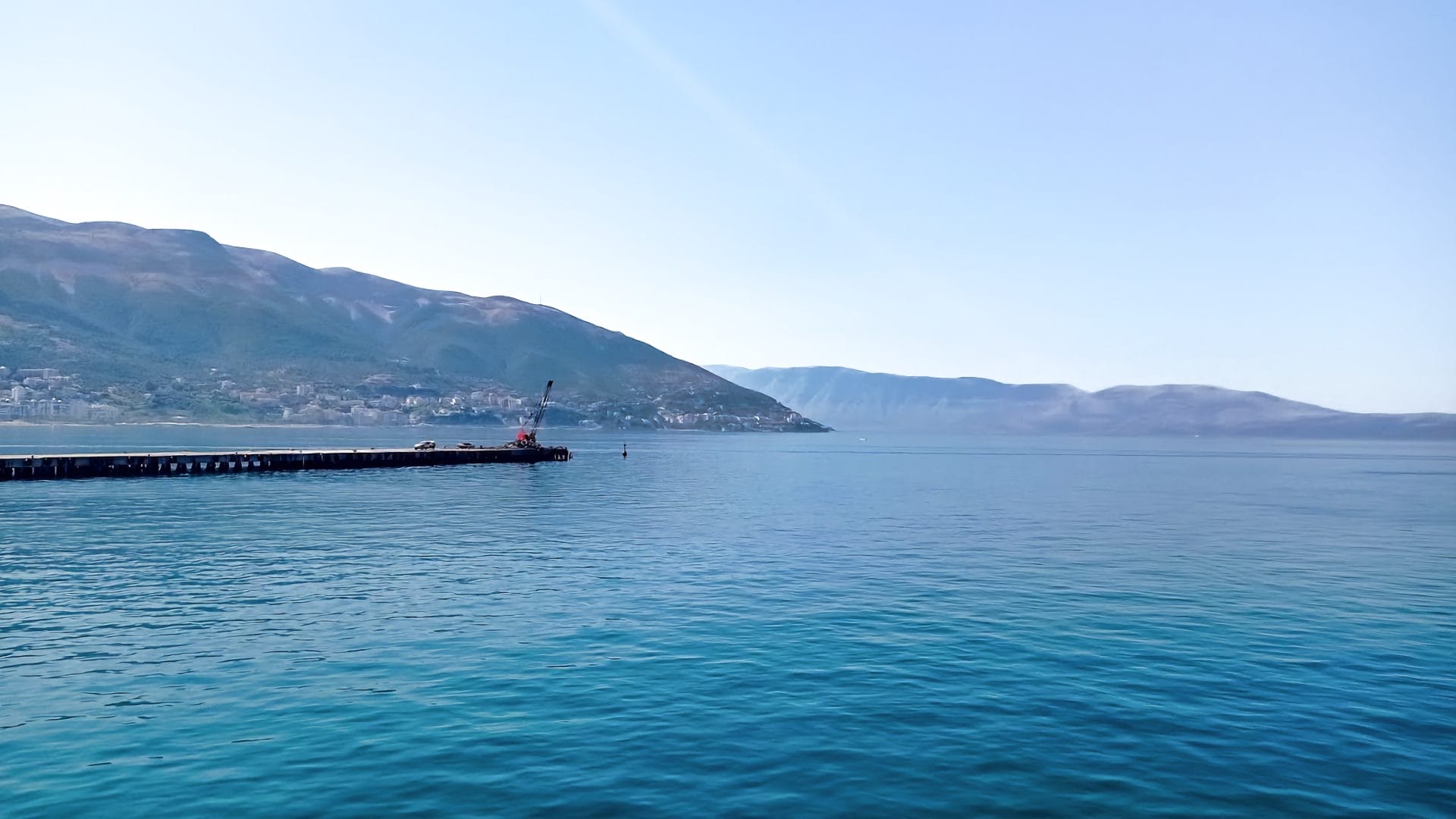
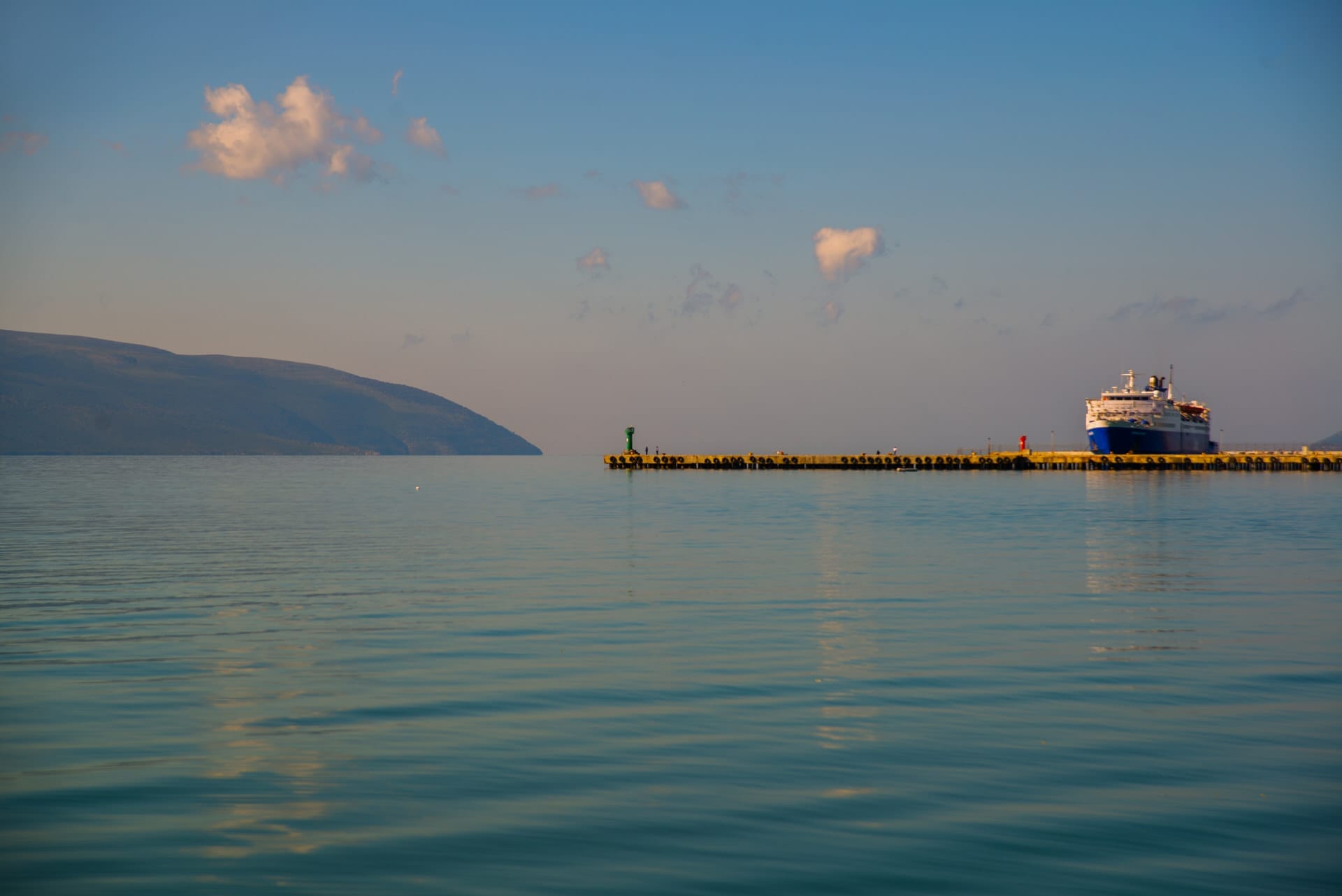
Captivated by the cobalt embrace of the Ionian Sea, where the Ceraunian Mountains bow gently to its sparkling horizon, exists a place of irresistible fascination.


Advertiser Disclosure

Albanian Riviera Beach

Show Summary

A Brief Introduction to the Albanian Riviera

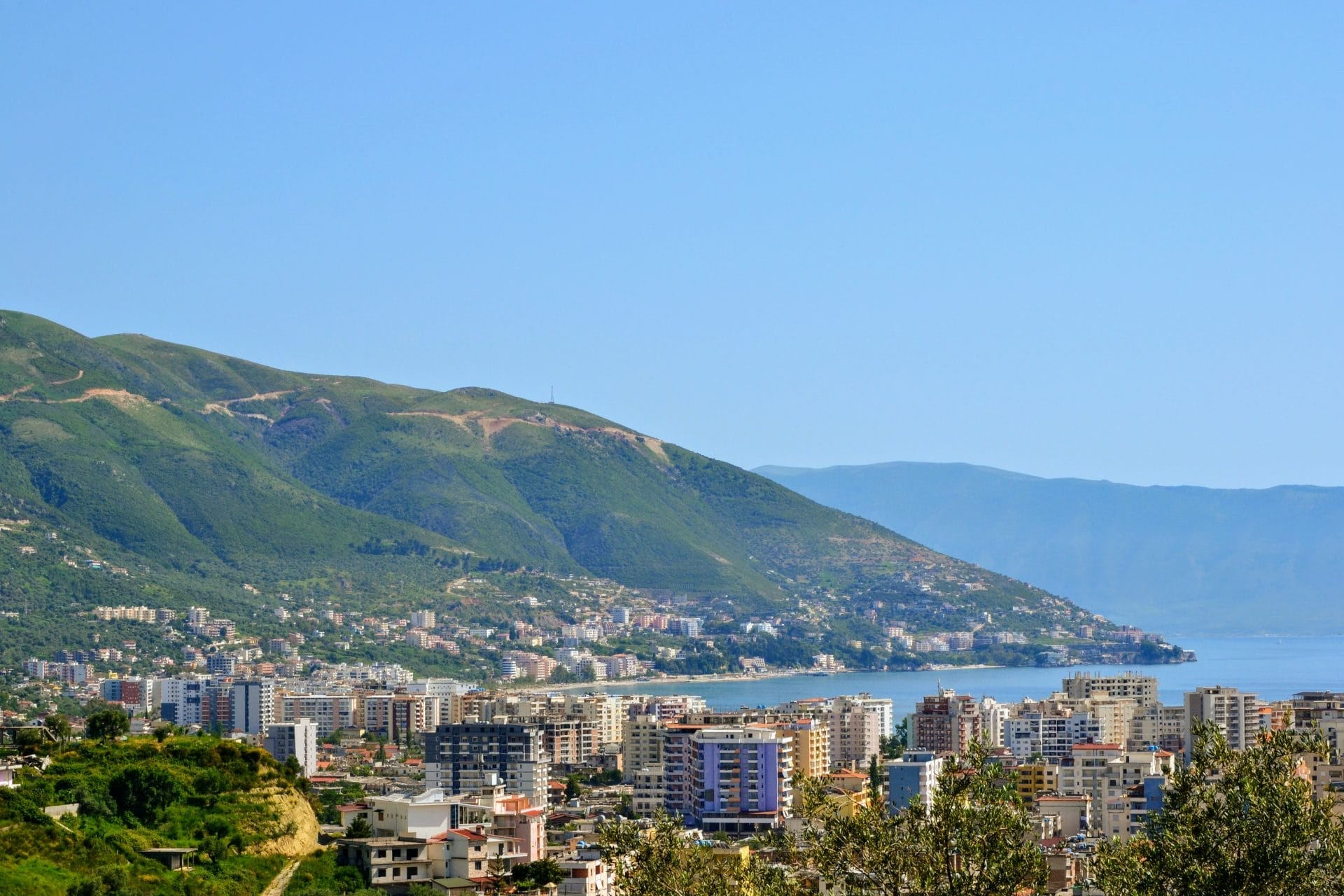
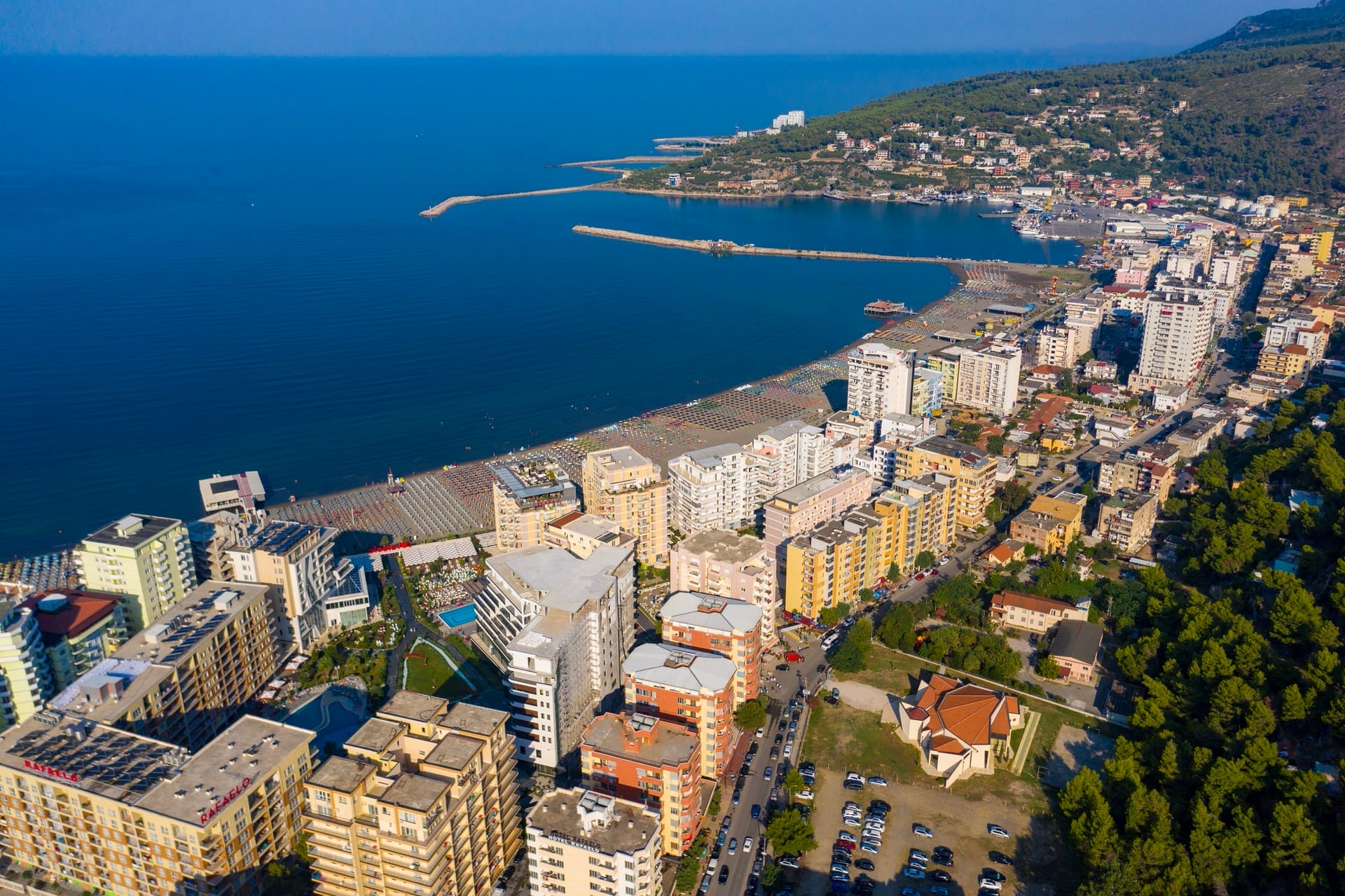
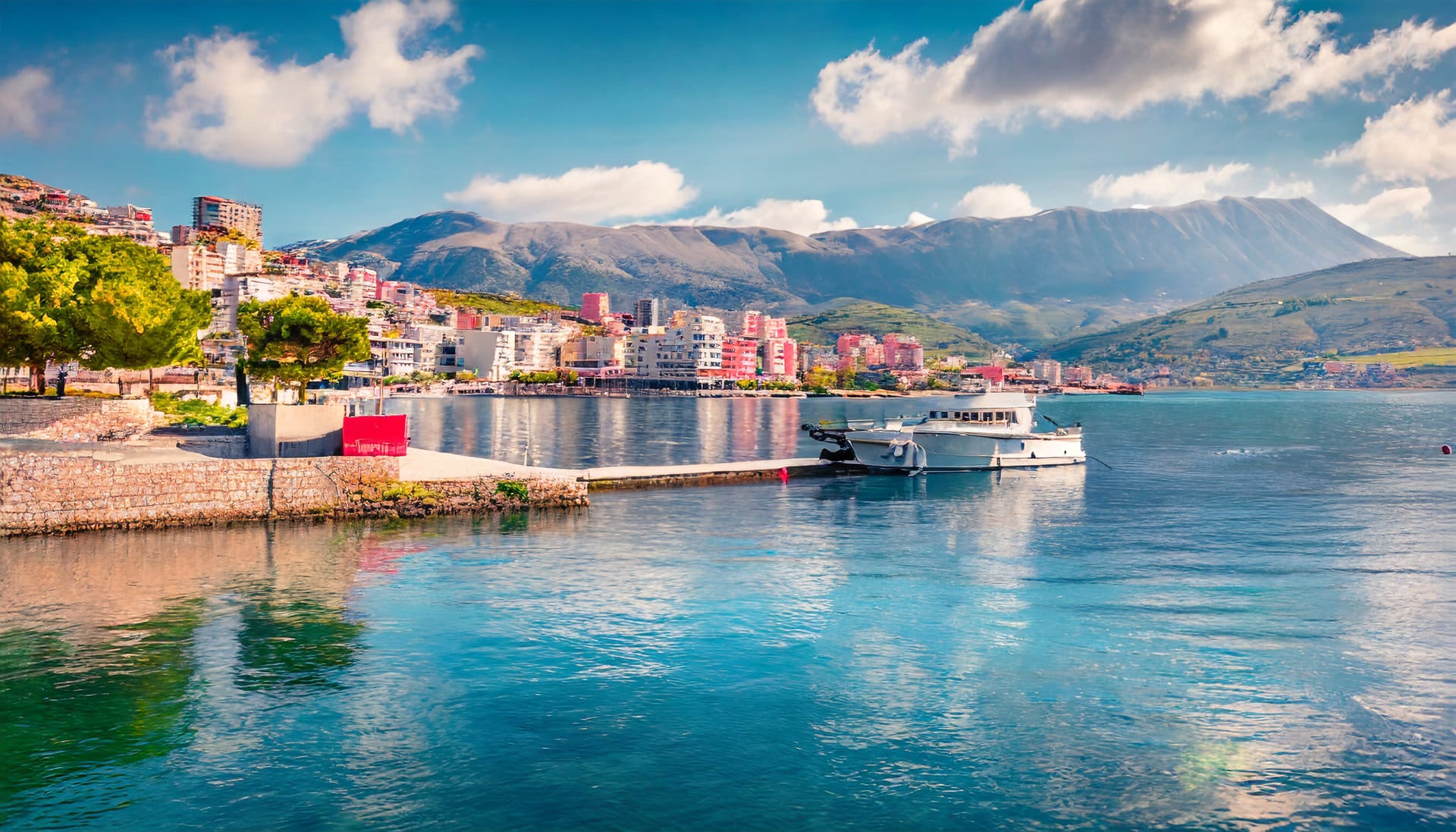
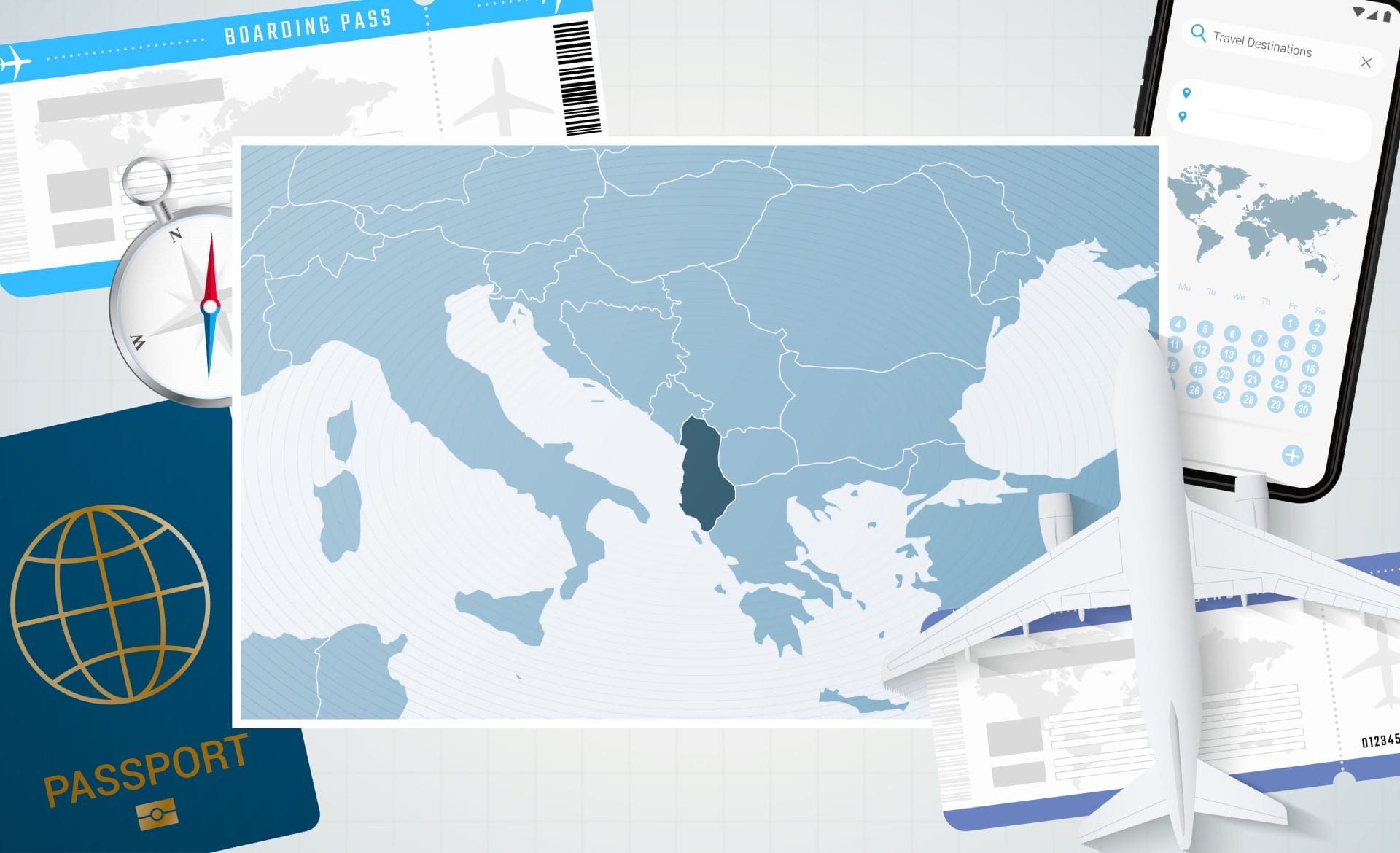
The Albanian Riviera stretches along the southwestern coast of Albania, from the city of Vlorë to the border with Greece. This idyllic region is home to picturesque fishing villages, ancient archaeological sites, and a diverse array of flora and fauna. Along with its stunning natural beauty, the Riviera also offers visitors a unique opportunity to immerse themselves in the rich history and culture of Albania.

The History and Culture of the Region

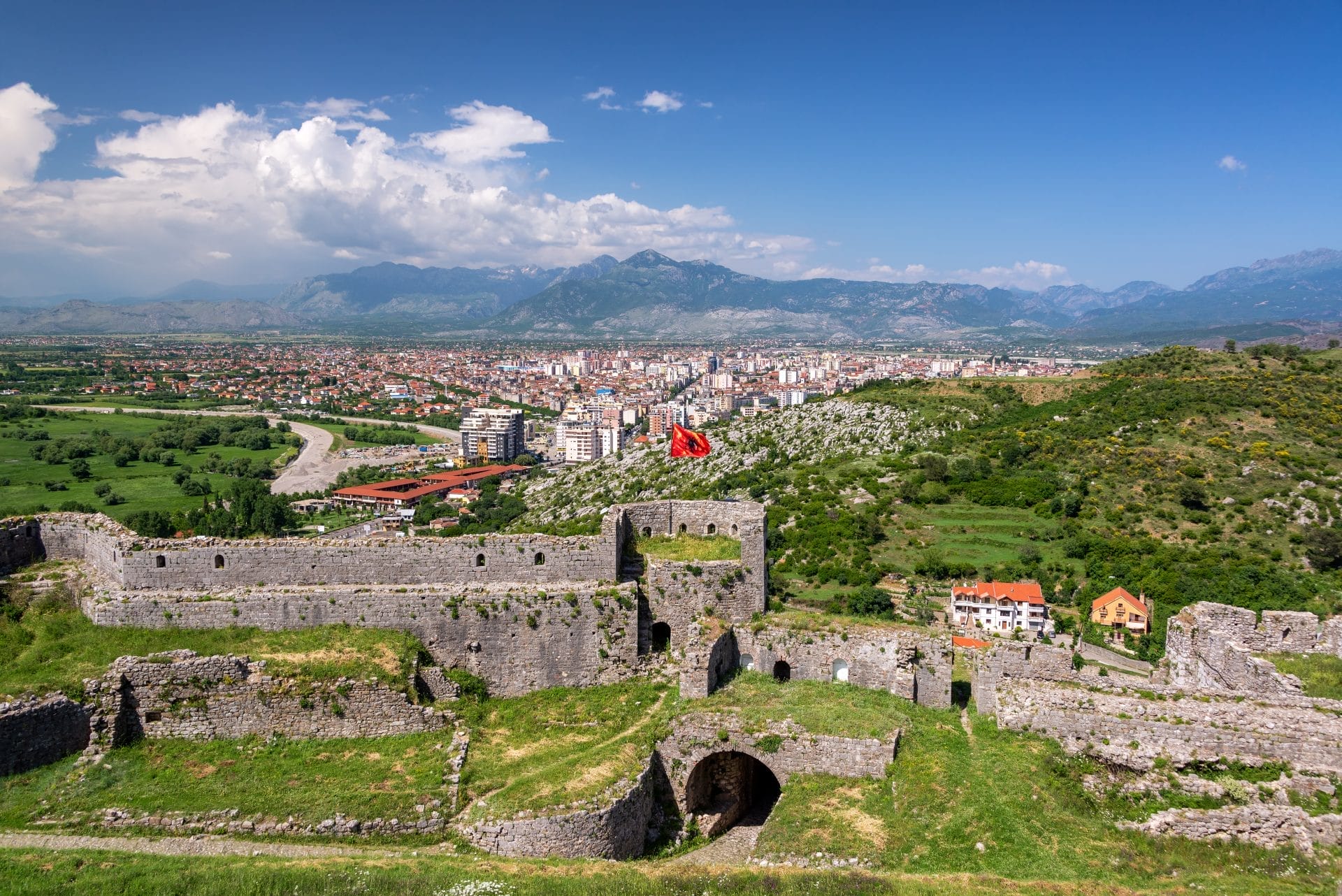
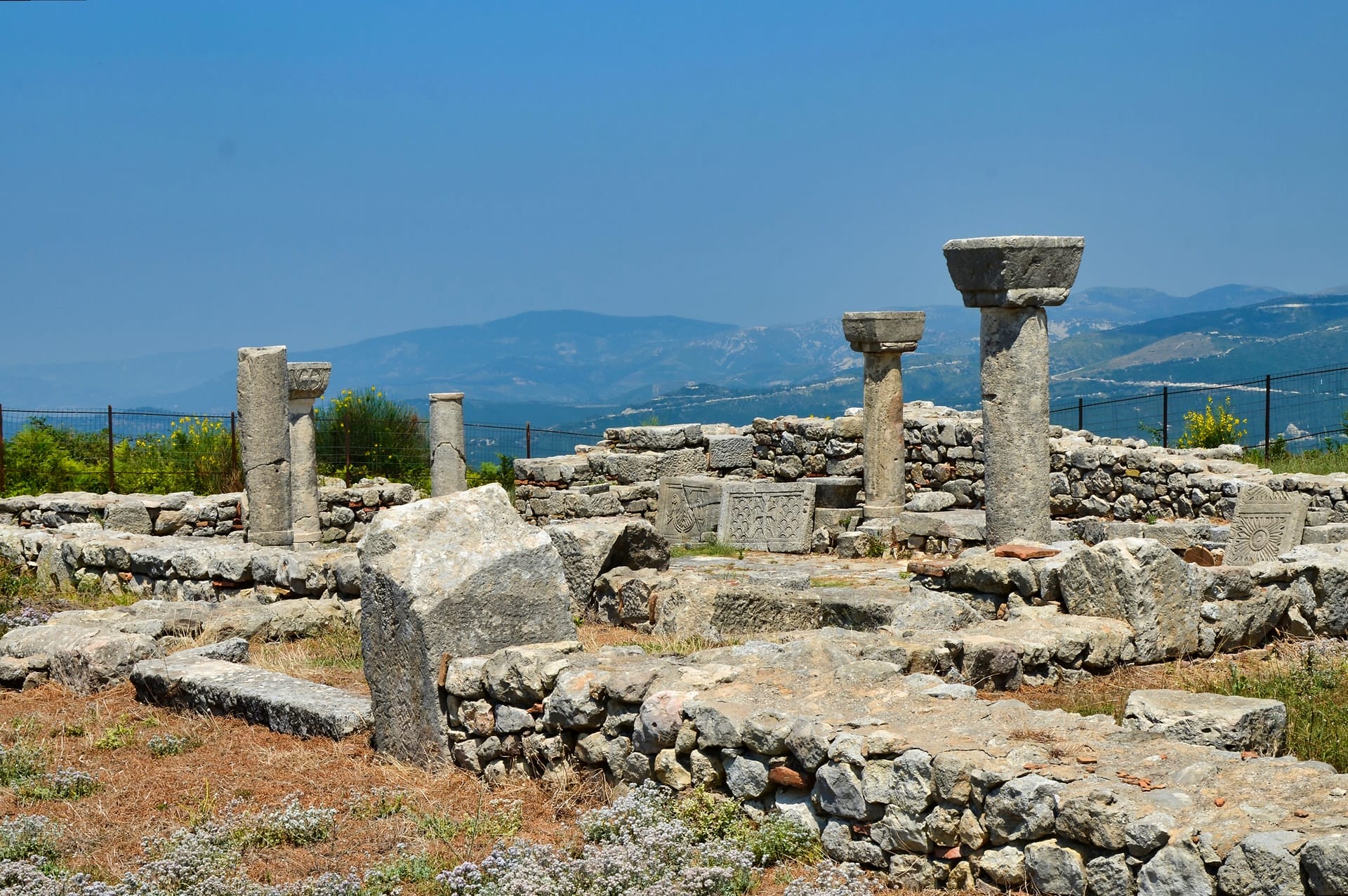
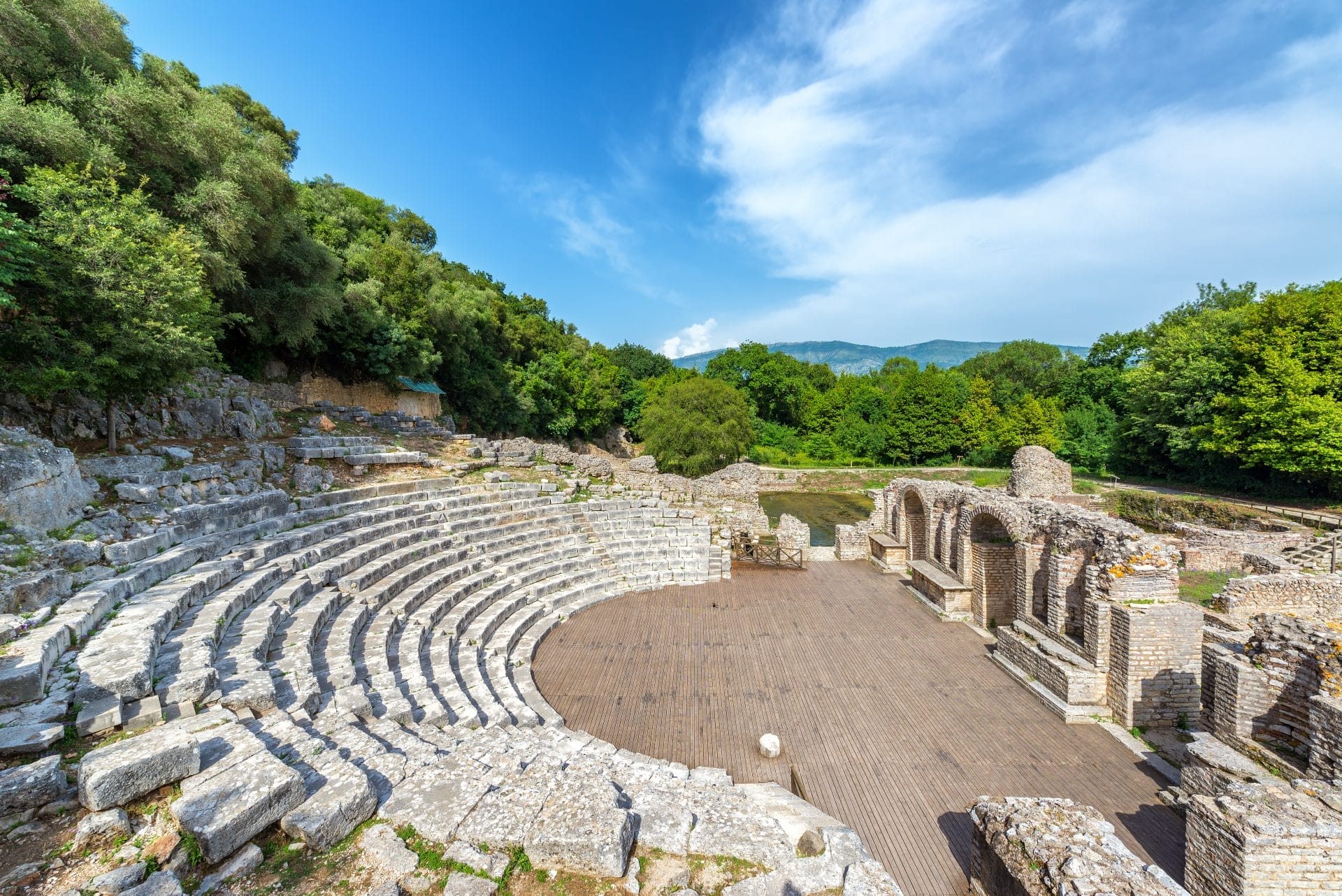
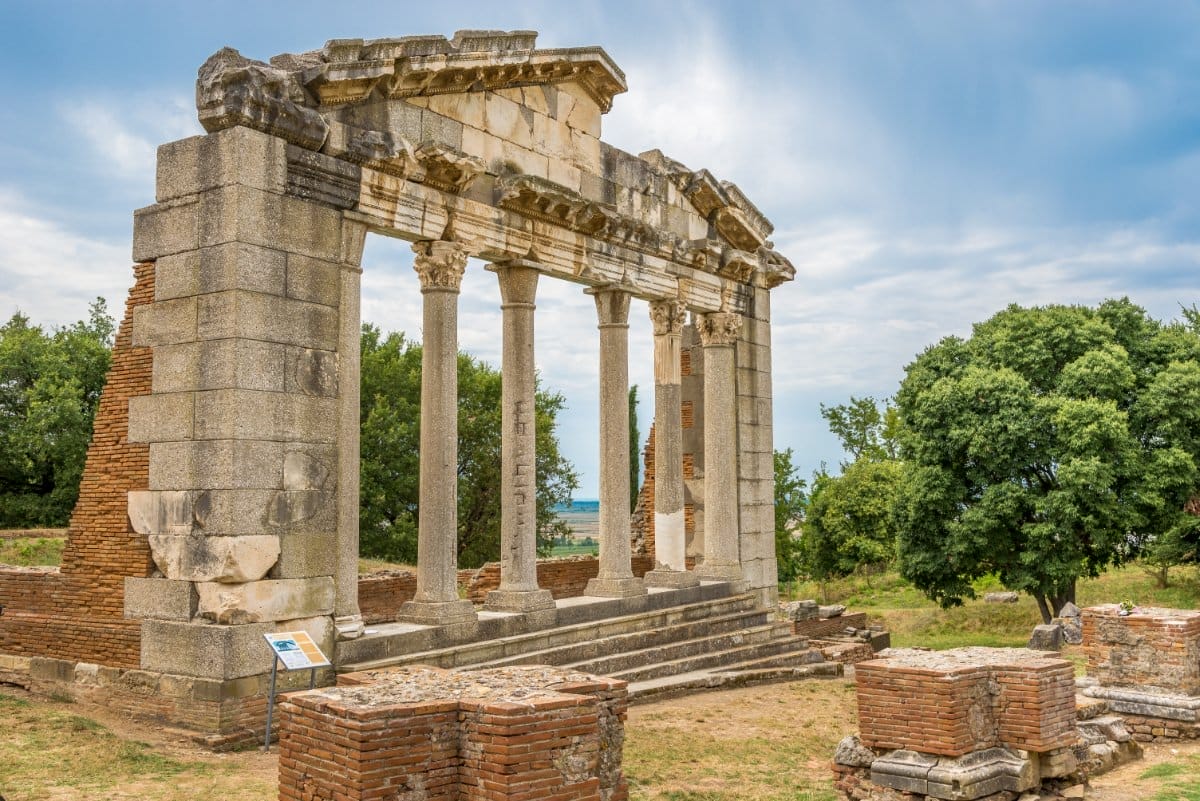
The Albanian Riviera’s history dates back to antiquity, with a number of ancient ruins and sites that bear witness to its rich past. The region served as an important center of trade and communication for several civilizations, including the ancient Greeks, Romans, Byzantines, and Ottomans. As a result, the Riviera is teeming with historical sites and monuments that are waiting to be explored, such as the UNESCO World Heritage site of Butrint and the Llogara National Park.

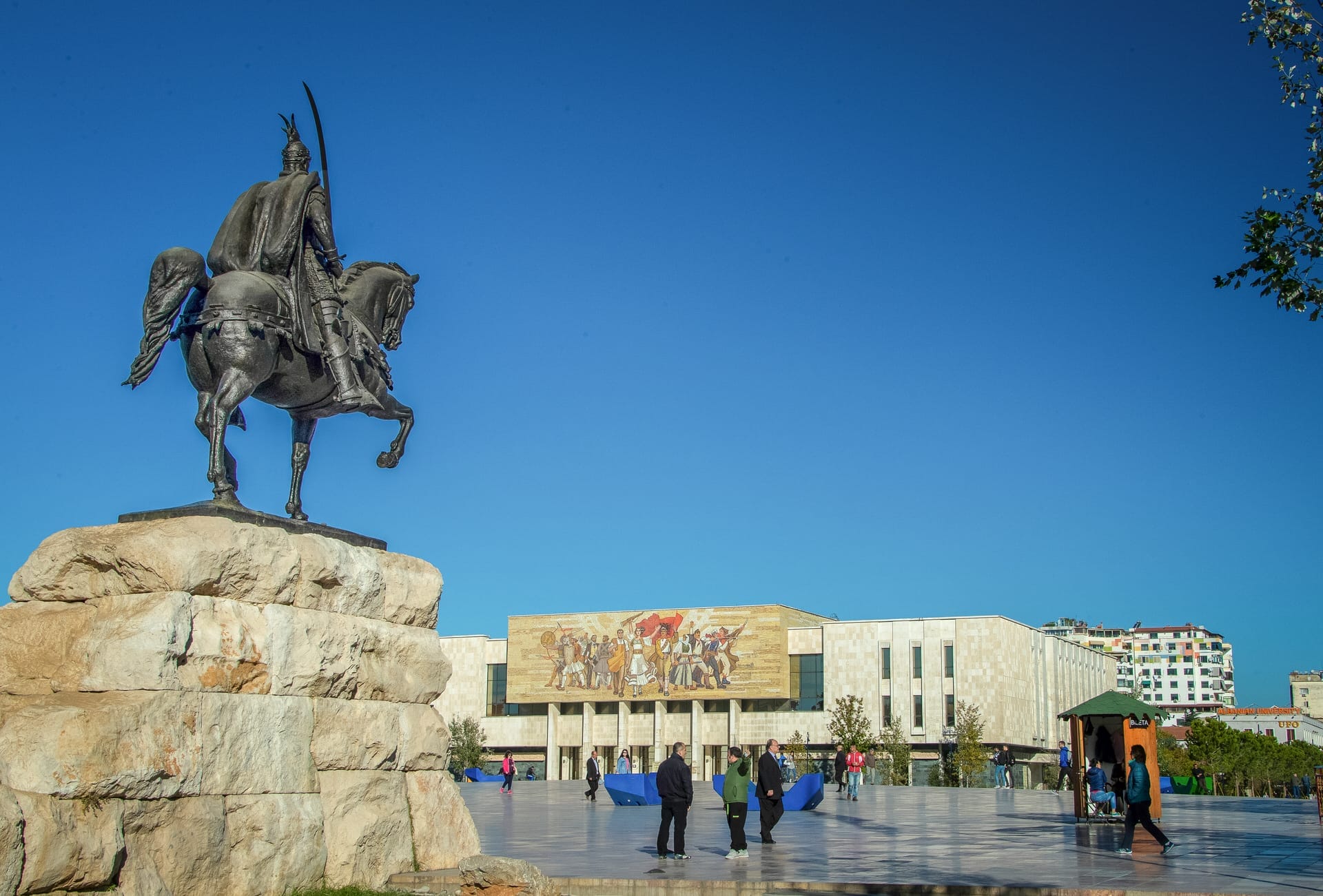
Today, the region boasts a unique mix of cultures and traditions, largely influenced by its complex history. Music, dance, and traditional handicrafts play a significant role in the daily lives of the local people. Visitors can expect warm hospitality, a lively atmosphere, and the opportunity to experience the unique cultural tapestry that the Albanian Riviera has to offer.

The Unique Geography and Climate

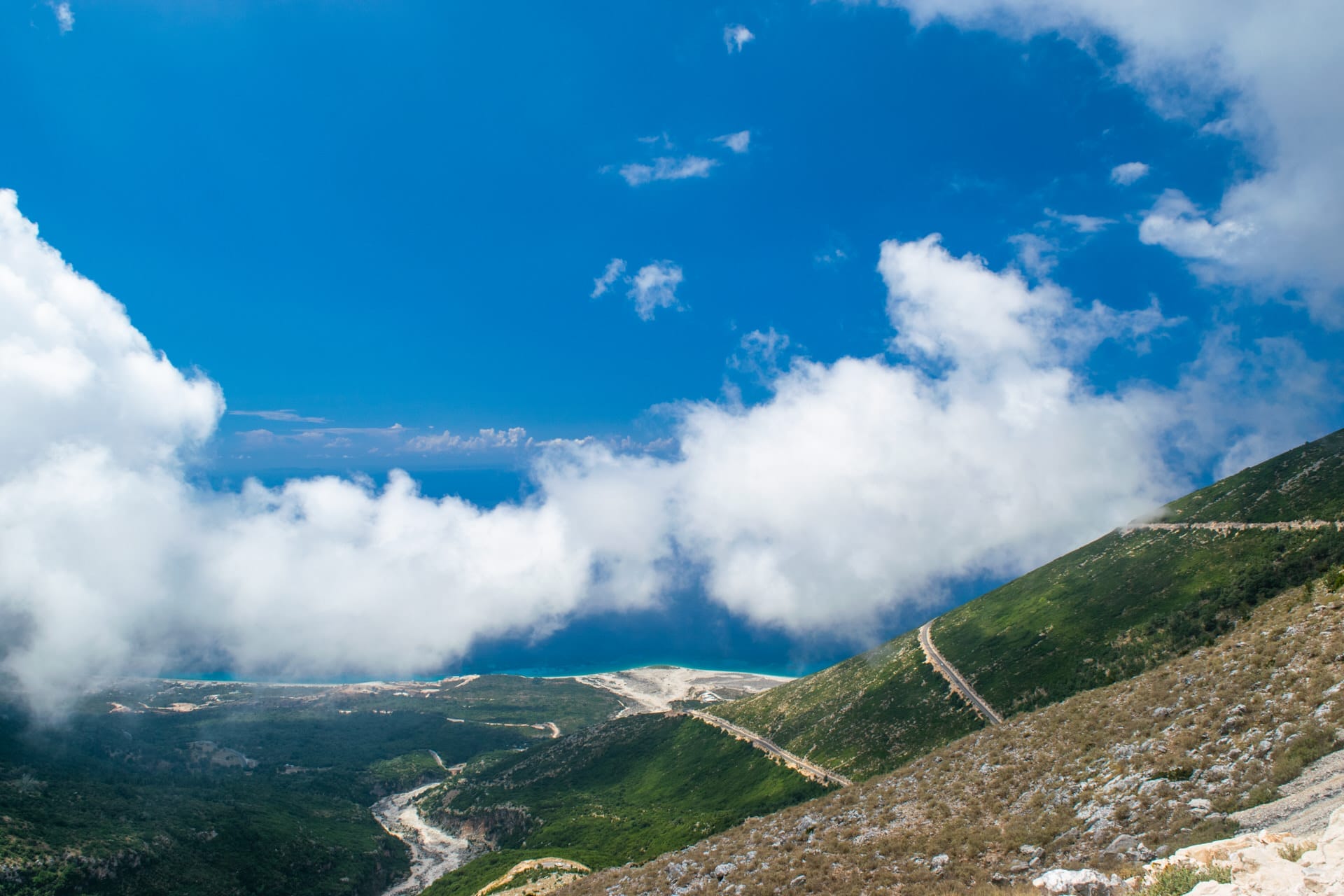
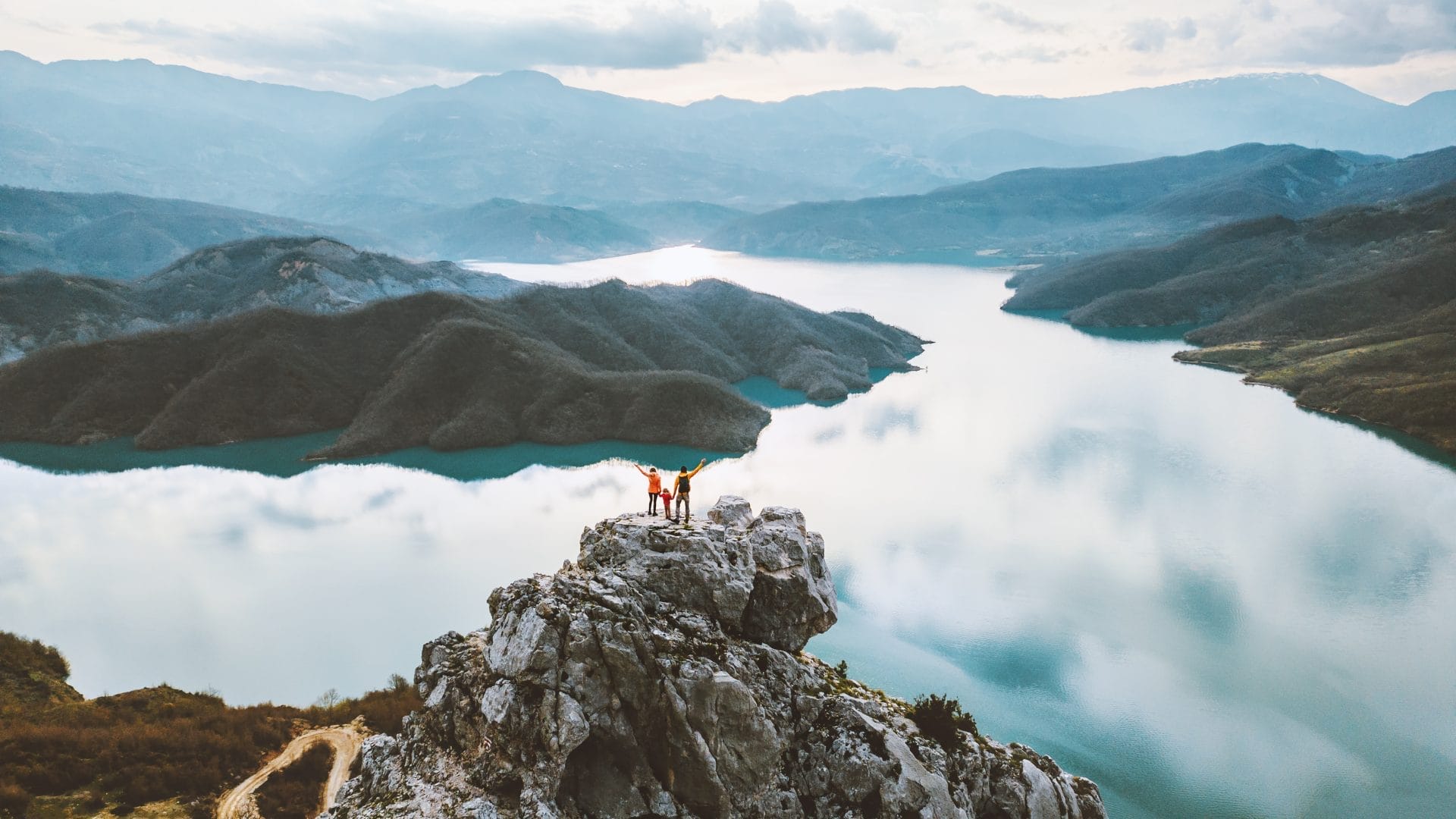
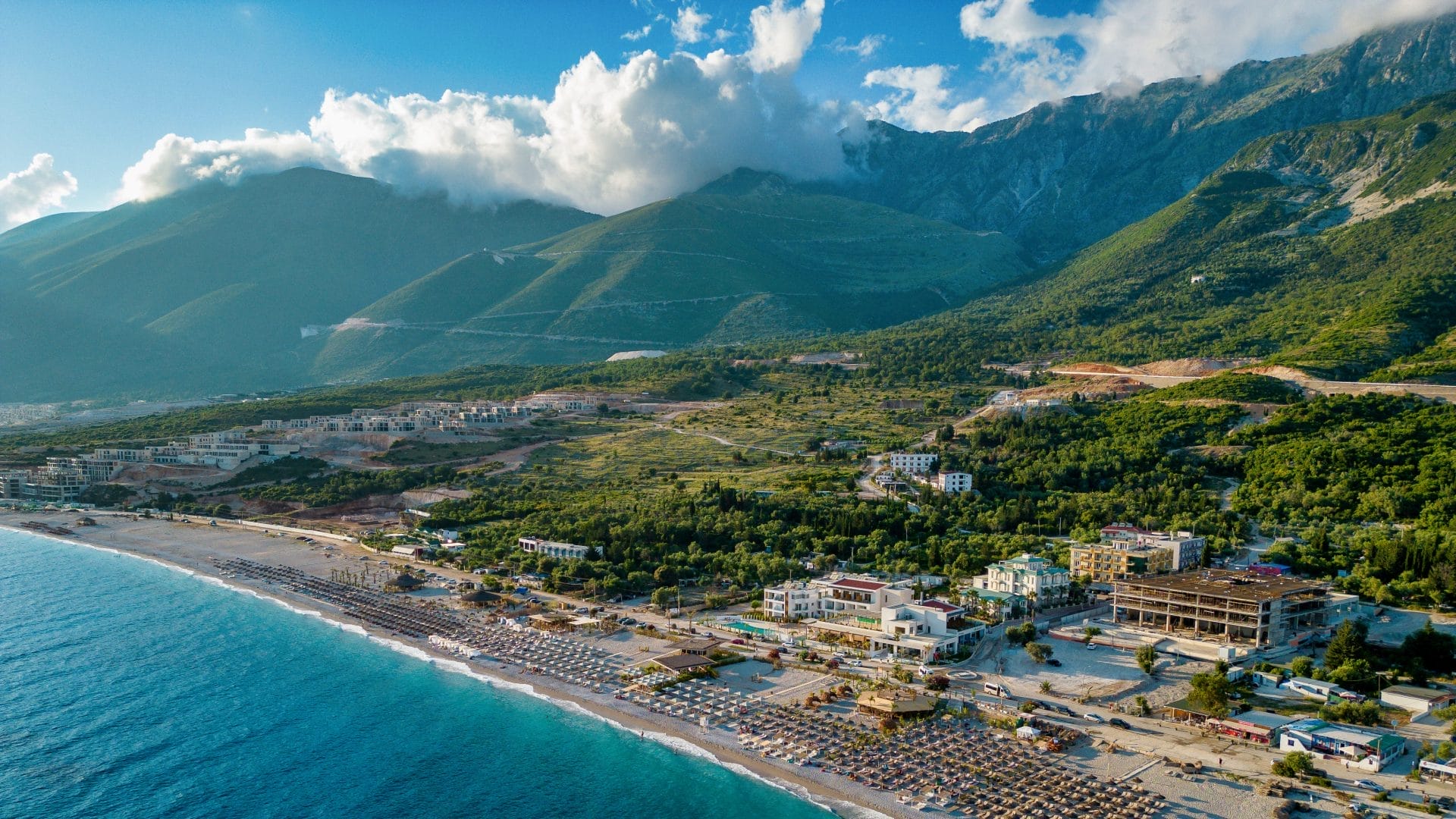
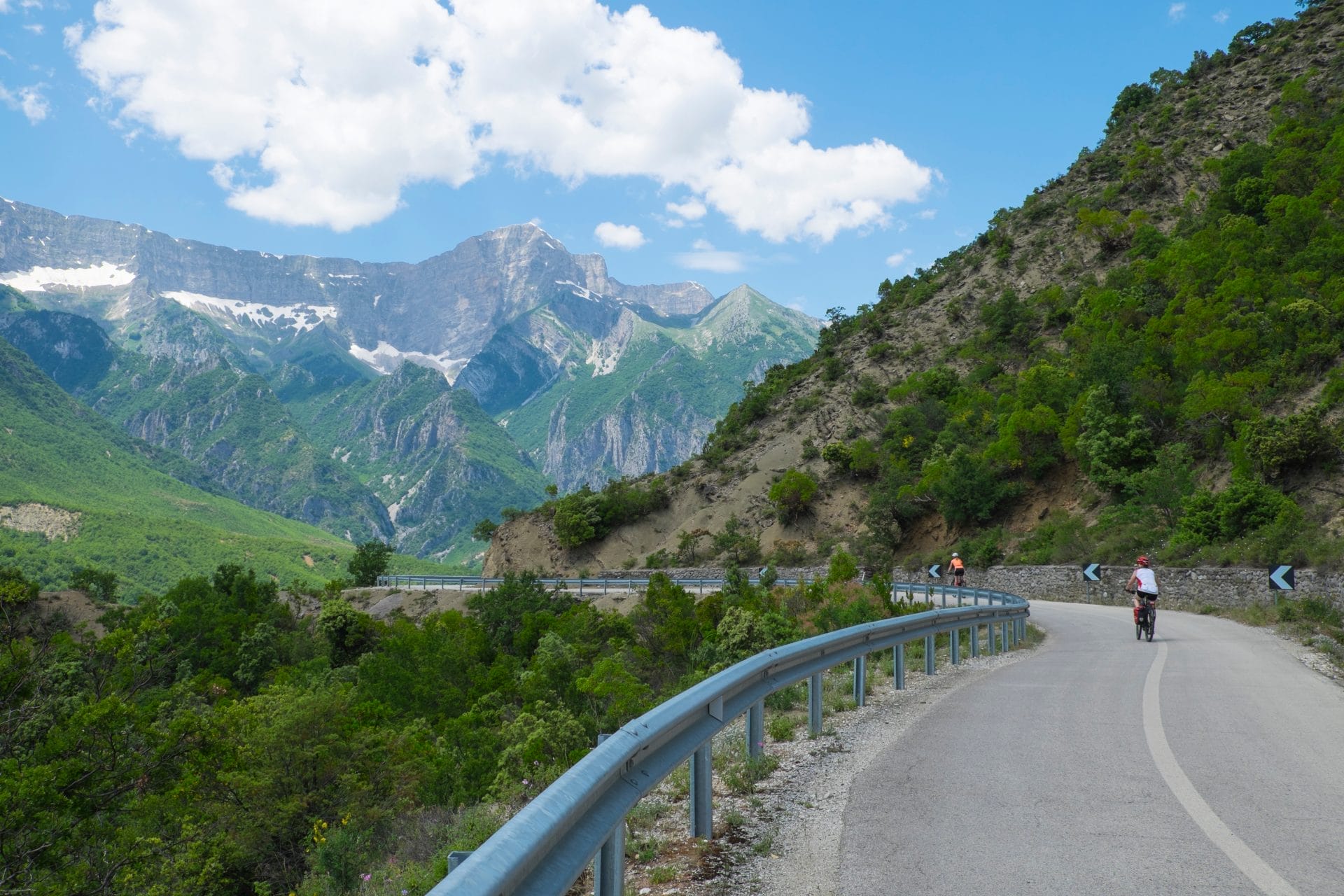
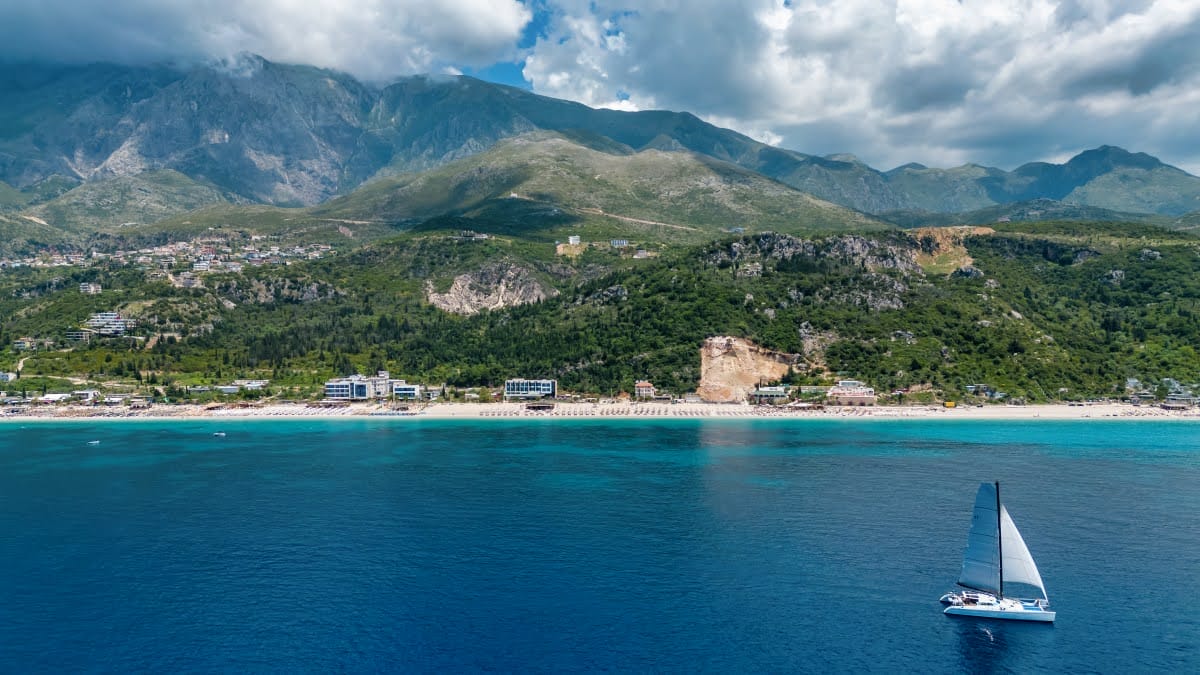
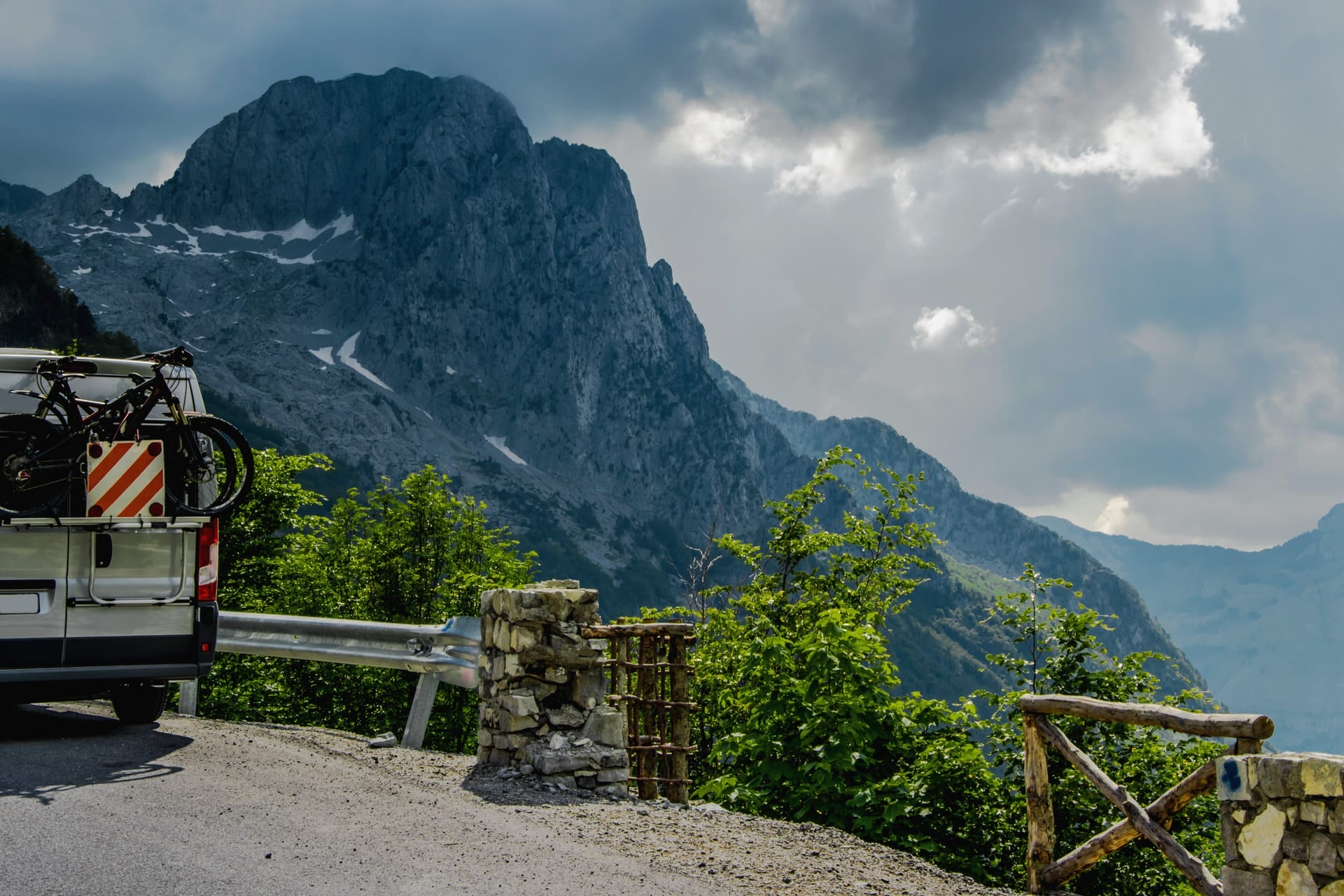
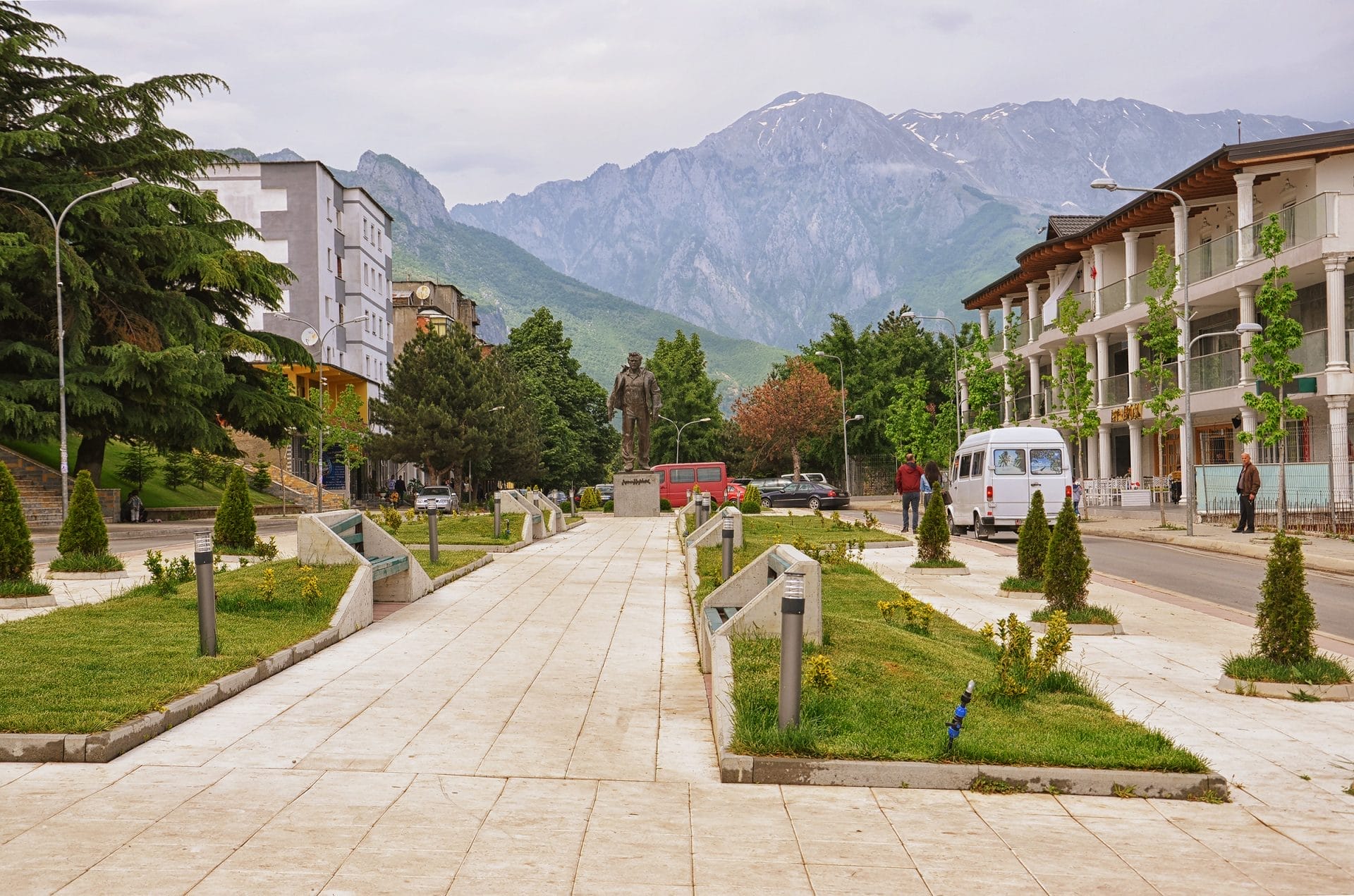
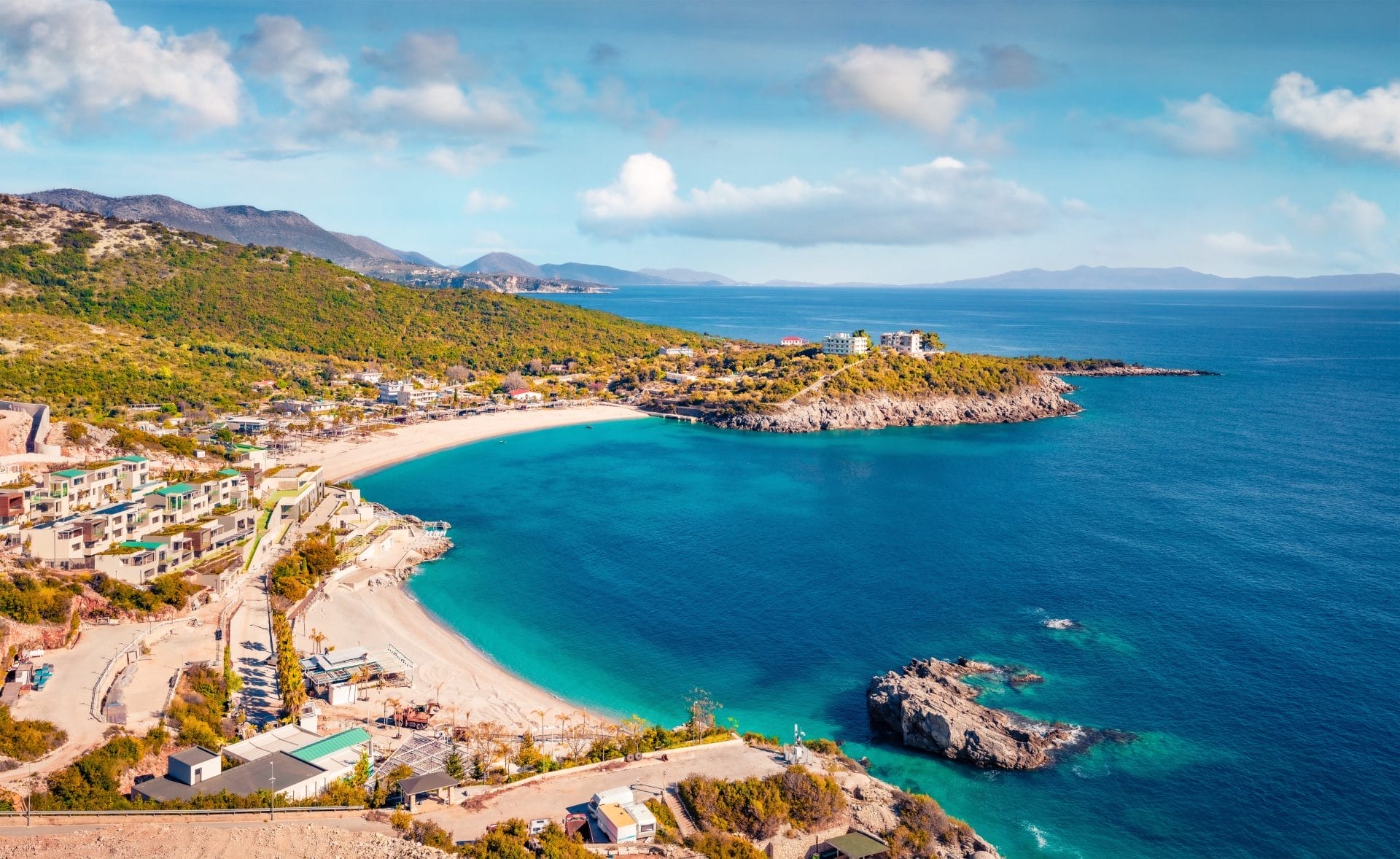
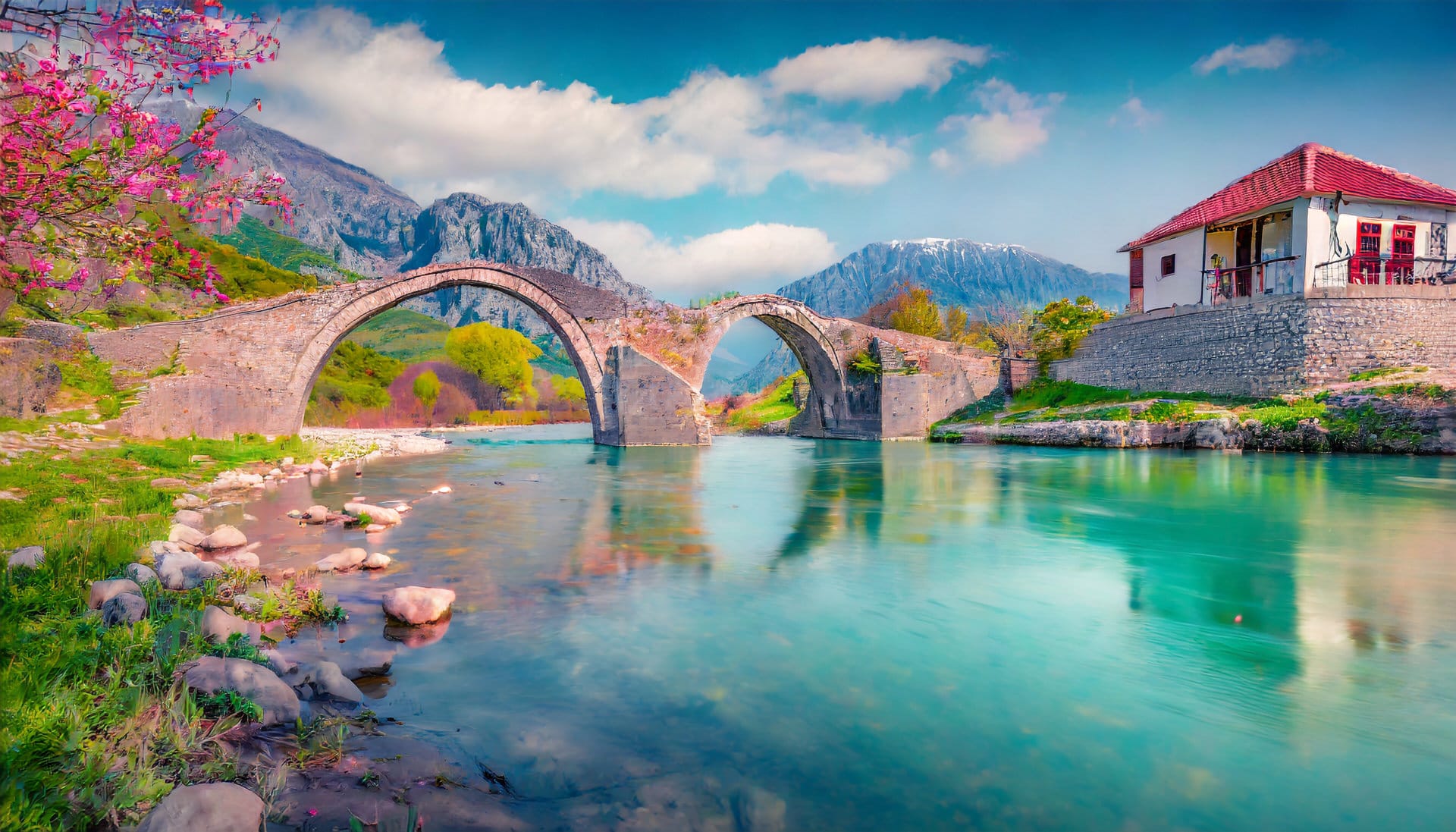
The Albanian Riviera is characterized by its dramatic mountainous landscape, which plunges steeply into the turquoise waters of the Ionian Sea. The region’s unique topography has also contributed to the formation of several secluded and pristine beaches, some of which can only be accessed by boat or on foot. This makes the Albanian Riviera an ideal destination for those seeking tranquility and unparalleled natural beauty.

The Riviera enjoys a Mediterranean climate, with hot, dry summers and mild, wet winters. The warm weather and abundant sunshine make it an ideal destination for beach lovers from May to September. The temperature typically ranges from 25 to 30 degrees Celsius, with water temperatures hovering around a pleasant 24 degrees.

Exploring the Albanian Riviera’s Beaches

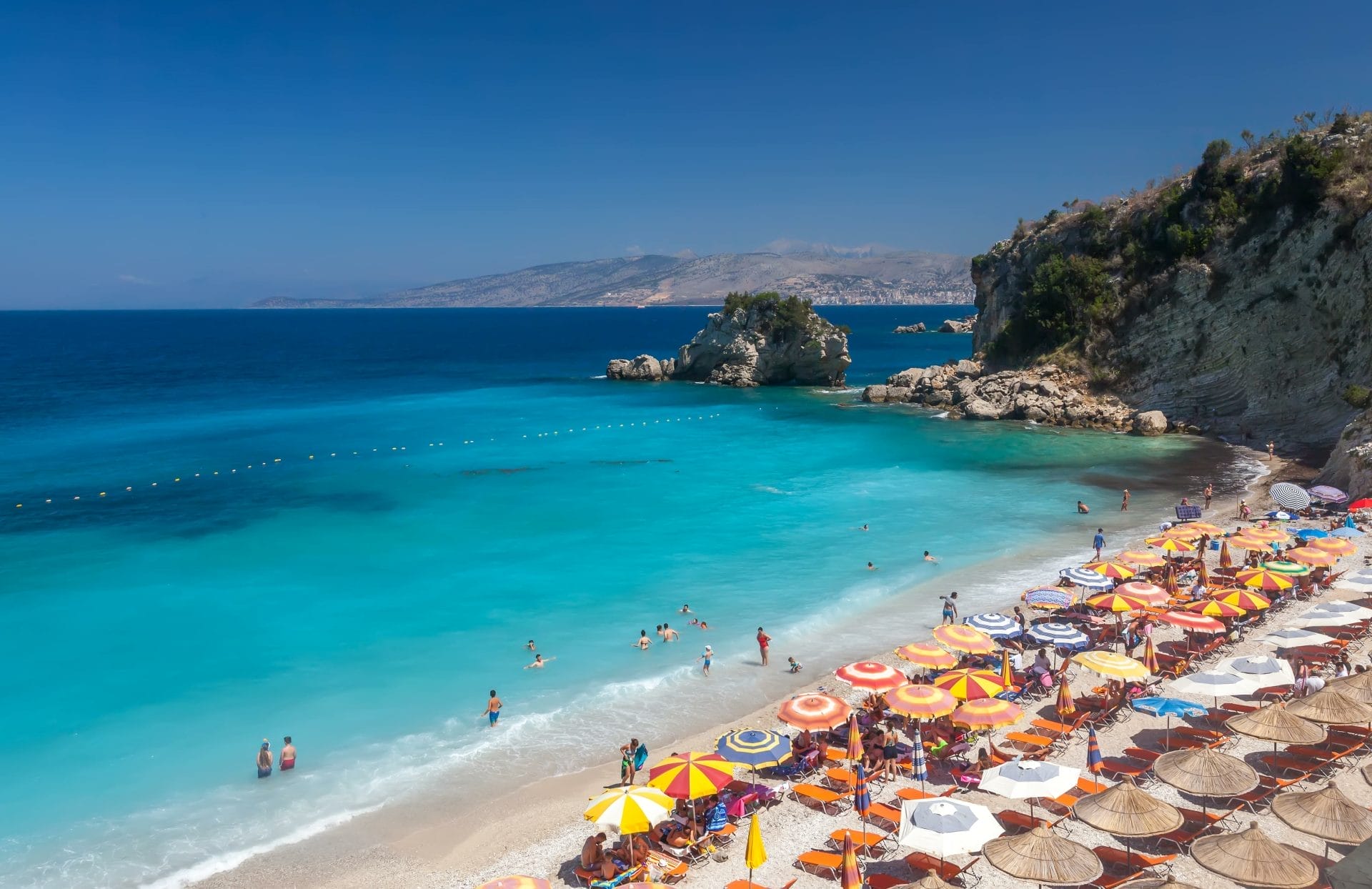
The Albanian Riviera is home to some of the most beautiful beaches in Europe. The beaches are known for their crystal-clear waters, soft sand, and stunning scenery. Some of the most popular beaches include Dhërmi, Jale, and Himara, which are all easily accessible by car or bus.

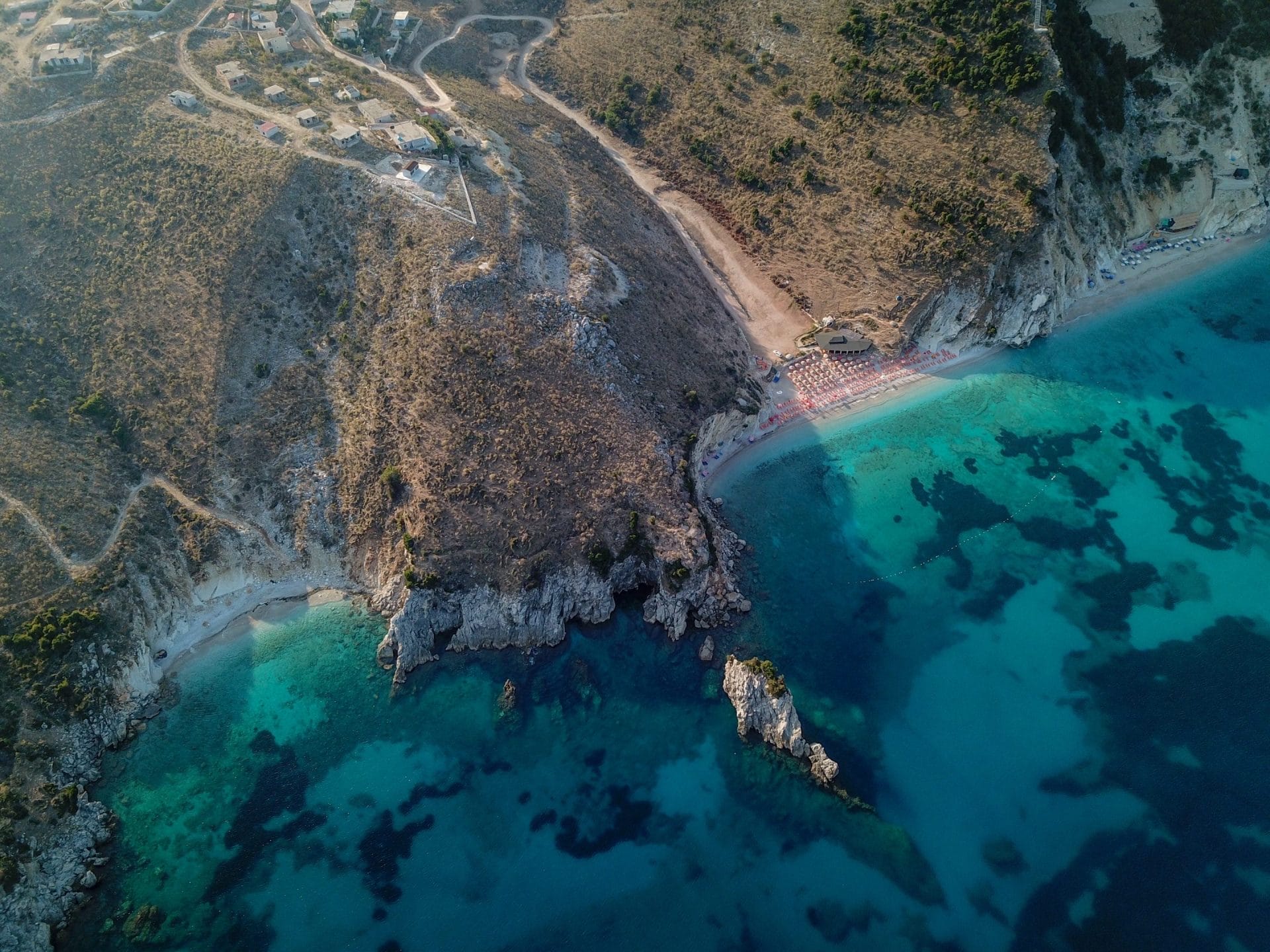
If you’re looking for something a little more secluded, there are plenty of hidden coves and bays that can only be reached by boat or on foot. Gjipe Beach, for example, is a secluded beach that can only be accessed by hiking down a steep cliff. Once you reach the beach, you’ll be rewarded with crystal-clear waters and stunning scenery.

Discovering the Local Cuisine

The Albanian Riviera is home to a rich culinary tradition that is influenced by the region’s history and geography. Seafood is a staple of the local cuisine, with fresh fish and seafood caught daily by local fishermen. Some of the most popular dishes include grilled octopus, stuffed squid, and fried sardines.

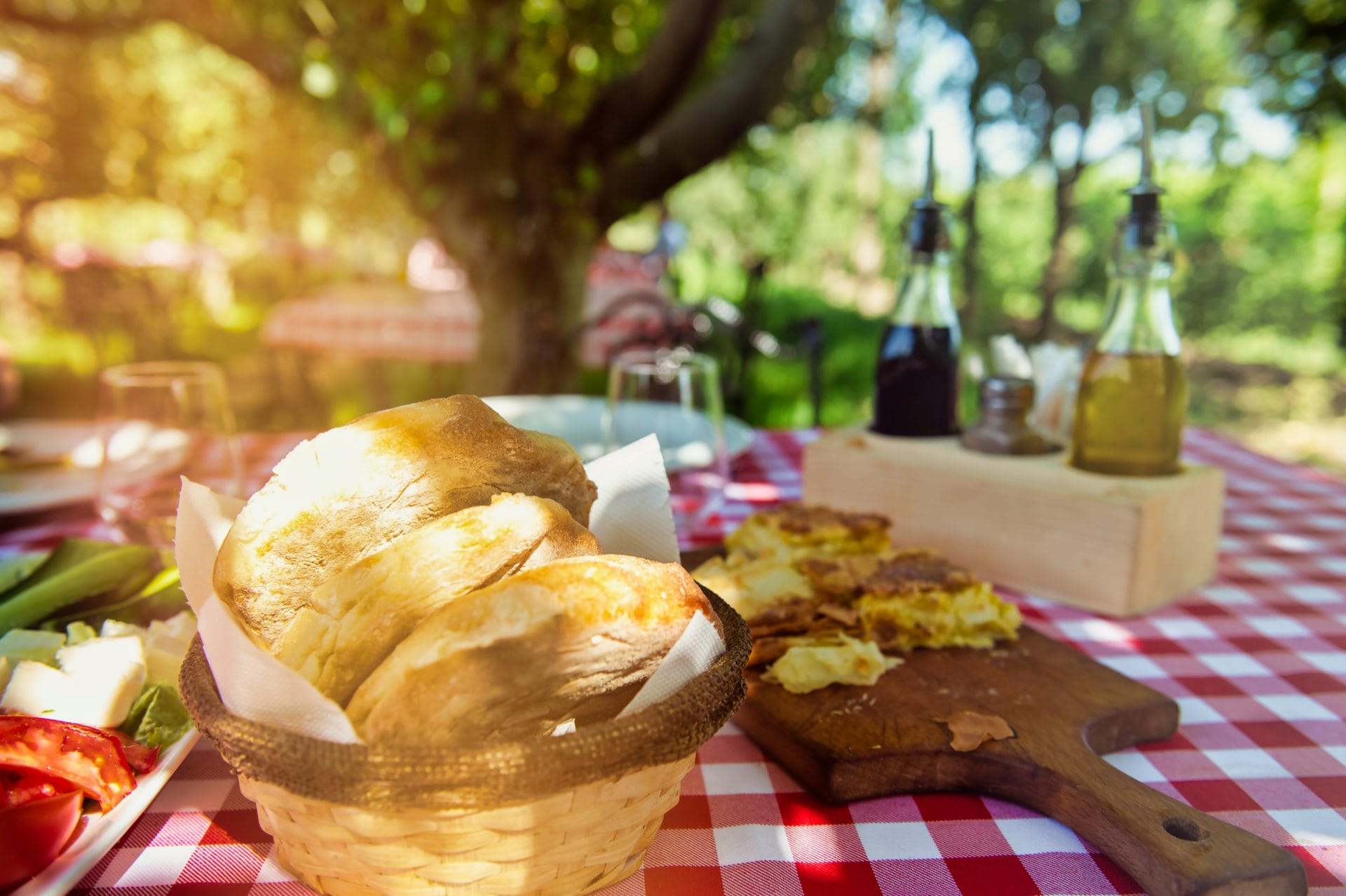
The region is also known for its delicious olive oil, which is produced from the thousands of olive trees that dot the landscape. Other local specialties include fërgesë, a dish made with peppers, tomatoes, and cheese, and byrek, a savory pastry filled with meat, cheese, or vegetables.

Exploring the Riviera’s Hiking Trails

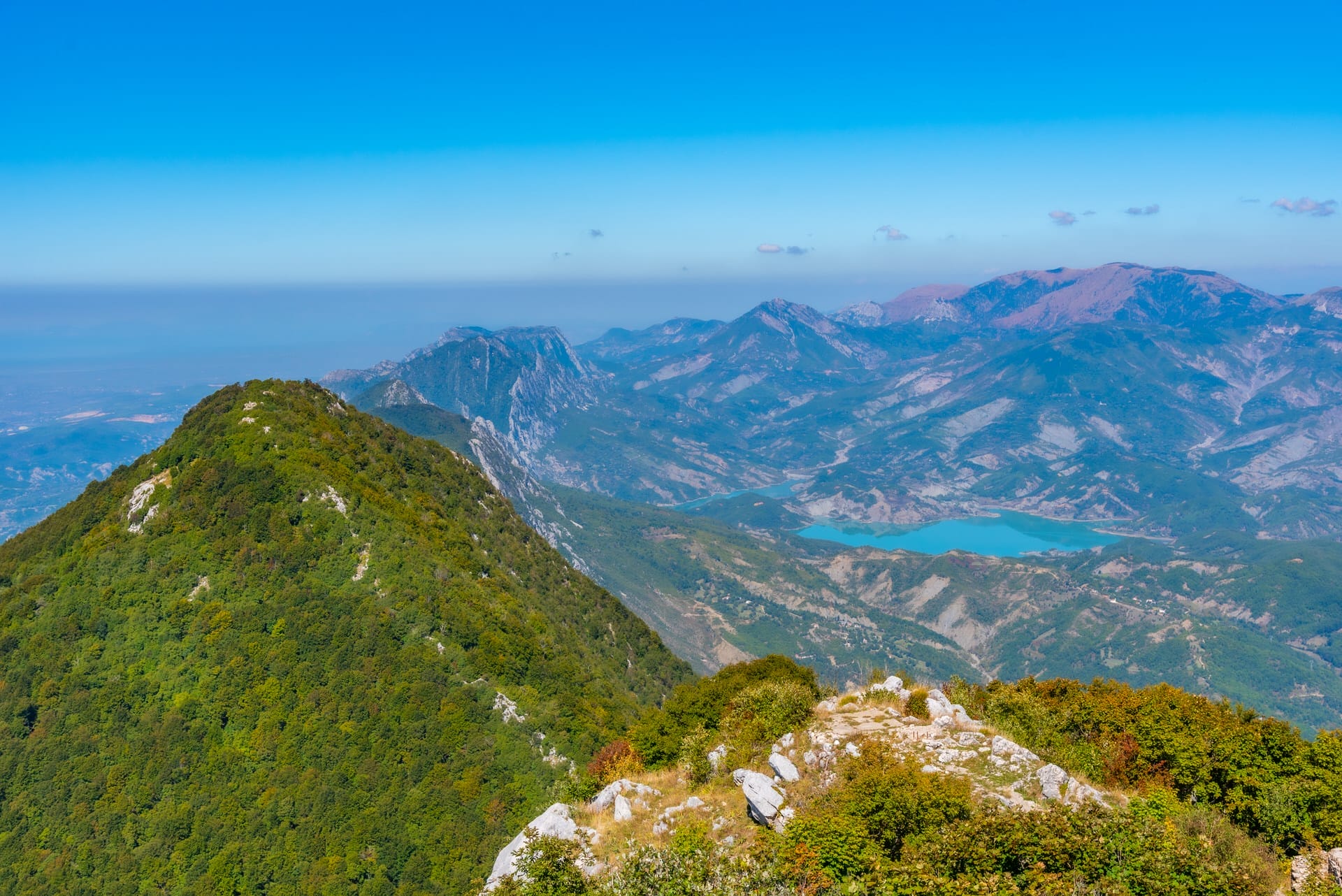
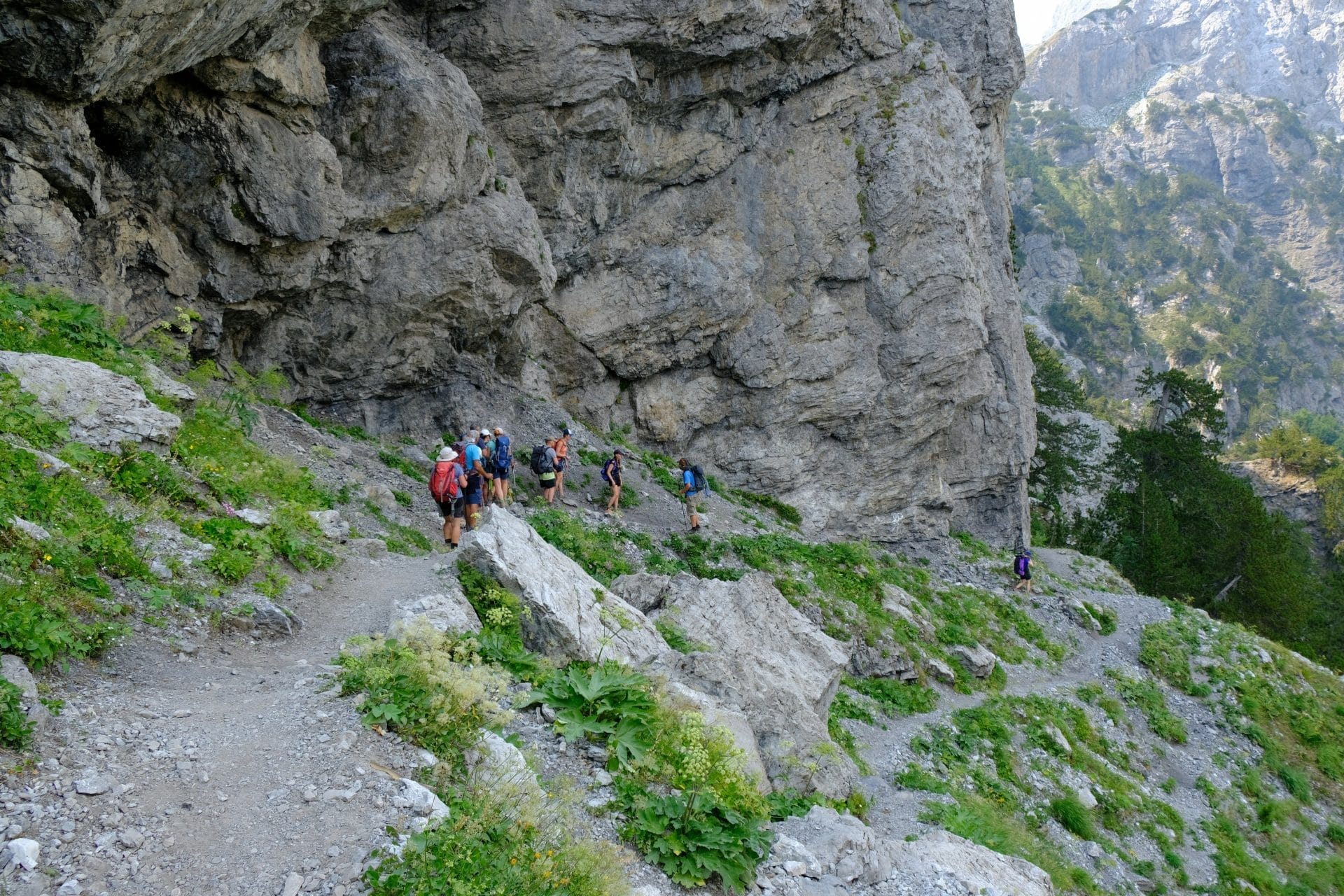
The Albanian Riviera is a hiker’s paradise, with miles of hiking trails that wind through the region’s stunning mountainous landscape. The Llogara National Park, for example, is home to several hiking trails that offer breathtaking views of the Ionian Sea and the surrounding mountains.

If hiking is your favorite activity, the Valbona to Thethi hike is another popular trail that takes hikers through some of the most remote and beautiful parts of the Albanian Alps. The trail is approximately 18 kilometers long and takes about 7-8 hours. You will pass through traditional villages, dense forests, and stunning mountain scenery along the way.

The Top Beaches to Visit

With many stunning beaches, the most challenging part may be deciding which ones to visit. Here are our top five recommendations:

Dhërmi Beach

One of the most popular beaches in the Riviera, Dhërmi Beach is known for its mesmerizing turquoise waters and white pebbles. The stunning natural beauty is complemented by a rich nightlife, which makes it a go-to destination for those seeking the perfect combination of relaxation and entertainment. The sunsets are mesmerizing and are best enjoyed by one of the beach bars or restaurants that line the shore.

For those looking to explore beyond the beach, several hiking trails offer stunning views of the coastline and surrounding mountains. Additionally, the nearby town of Dhërmi is home to several historic landmarks, including the Church of St. Mary and the Monastery of the Holy Transfiguration.

Jale Beach

Jale Beach is an unspoiled paradise surrounded by lush green hills, perfect for a serene escape. The water is incredibly clear and perfect for swimming and snorkeling. The beach also boasts a vibrant nightlife during peak season, with several bars, clubs, and live music venues scattered along the shoreline.

For those interested in local culture, the nearby village of Jale offers a glimpse into traditional Albanian life. Visitors can explore the village’s narrow streets, sample local cuisine, and visit the quaint churches and mosques that dot the area.

Ksamil Beach

Located in the southernmost part of the Riviera, Ksamil Beach is a sand and pebble oasis, perfect for families and sunbathers. With several idyllic islets just a short boat-ride away, it provides ample opportunity for exploration and relaxation. The nearby village of Ksamil boasts an array of charming shops, cafes, and seafood restaurants, adding to the allure of this picturesque destination.

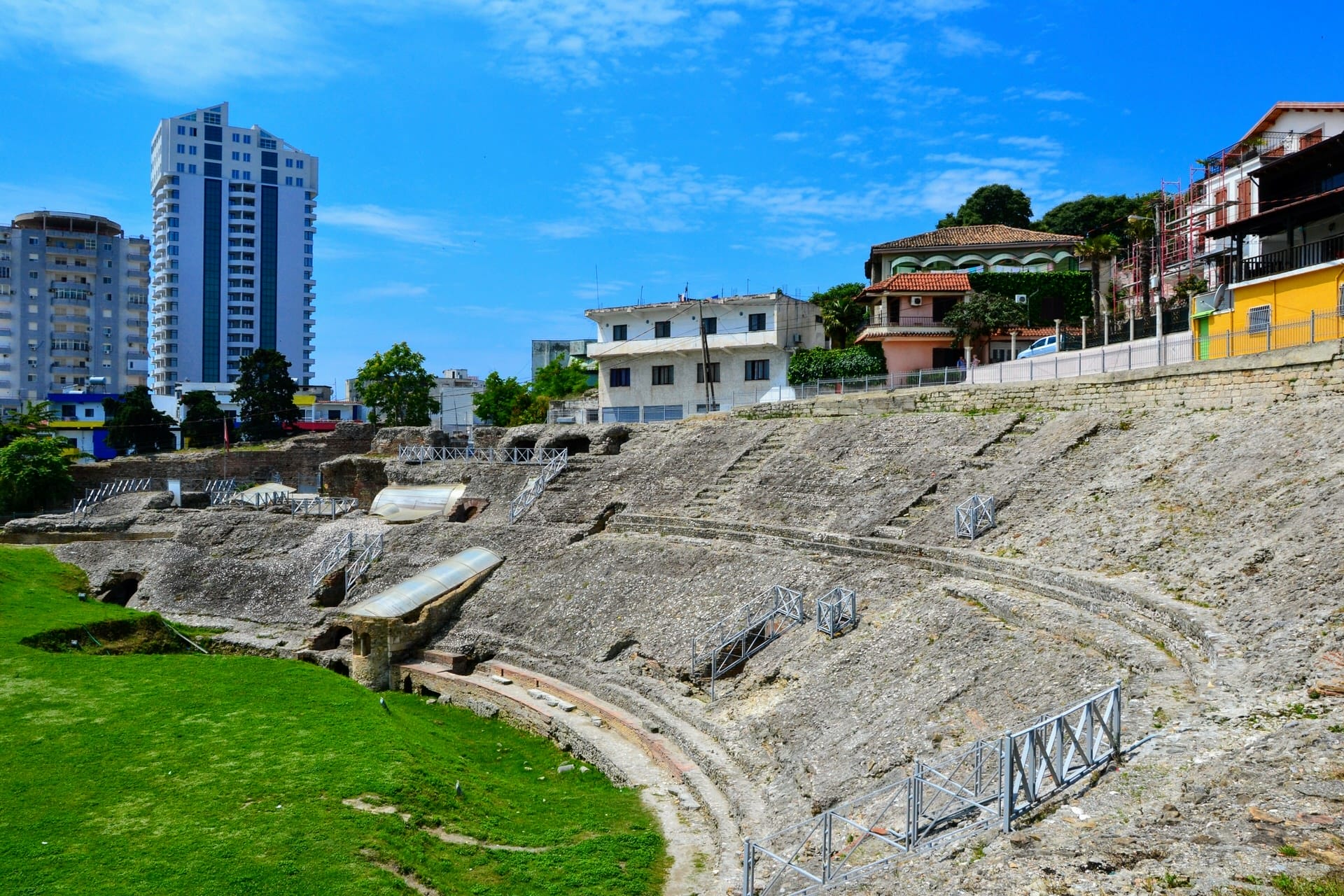
For those interested in history, the nearby city of Butrint is home to a UNESCO World Heritage Site, featuring ancient ruins and a stunning amphitheater. Visitors can also explore the nearby wetlands, which are home to a variety of rare bird species.

Gjipe Beach

One of the region’s hidden gems, Gjipe Beach is accessible only by boat or a scenic hike through the Gjipe Canyon. The secluded beach is nestled between stunning cliffs, offering unparalleled peace and privacy. Its crystal-clear waters and breathtaking surroundings make Gjipe a must-visit for nature lovers and those looking to escape the crowds.

For those looking for adventure, the nearby canyon offers several hiking trails and rock-climbing opportunities. Visitors can also explore the nearby caves, which are home to a variety of unique wildlife species.

Borsh Beach

As the longest beach in the Albanian Riviera, Borsh Beach offers visitors over 7 kilometers of tranquil coastline, perfect for long and leisurely walks. The beach is mainly composed of sand and small pebbles, and the sea is calm and ideal for swimming. The nearby village of Borsh is home to a historic castle and a lively market, providing additional opportunities for exploration and cultural immersion.

For those interested in local cuisine, Borsh is known for its delicious seafood dishes, made with fresh ingredients from the nearby sea. Visitors can also explore the nearby olive groves and vineyards, which produce some of the region’s finest olive oil and wine.

Activities and Attractions

The Albanian Riviera offers much more than just stunning beaches. There is a wealth of activities and attractions to suit every traveler’s interests.

Water Sports and Adventure

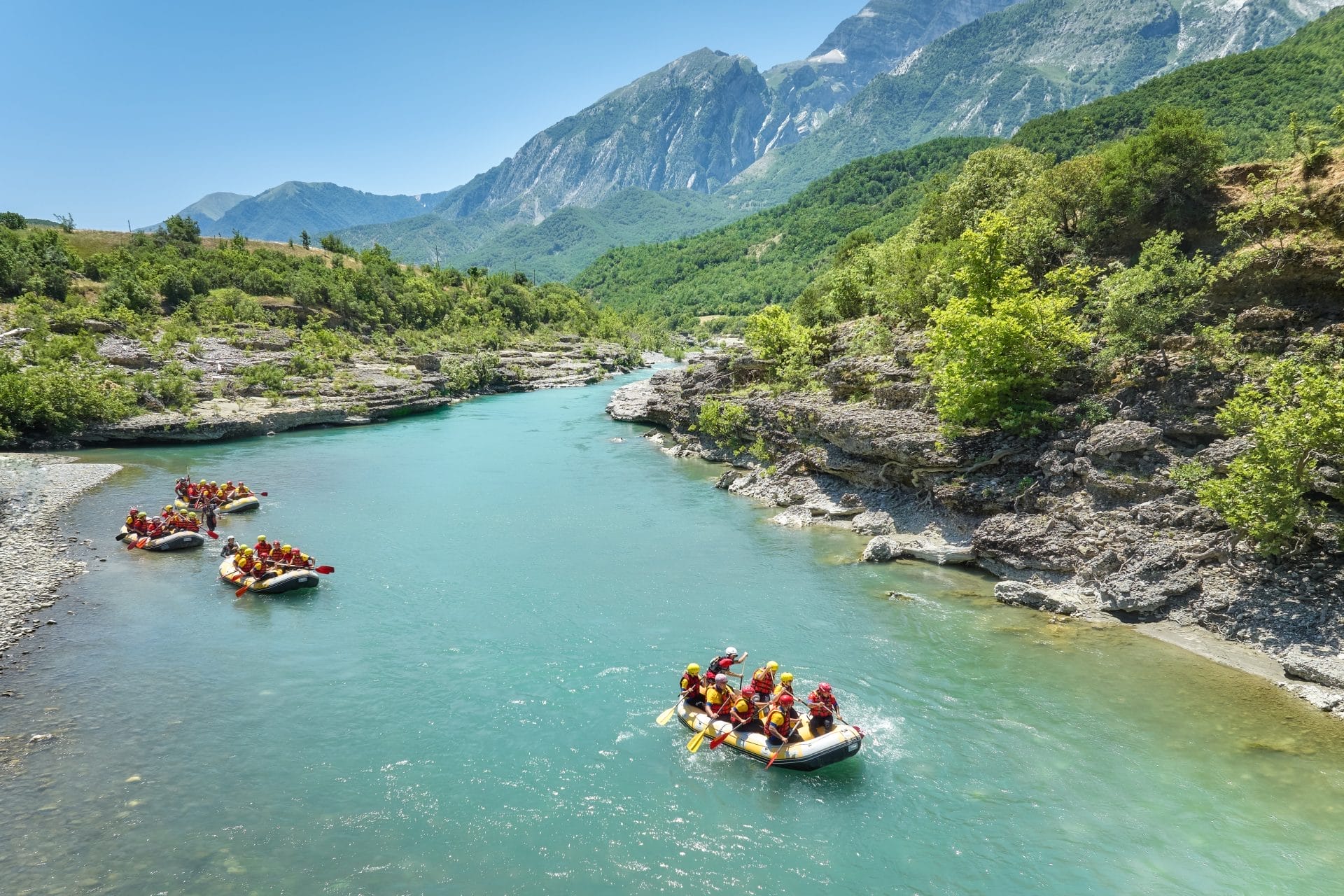
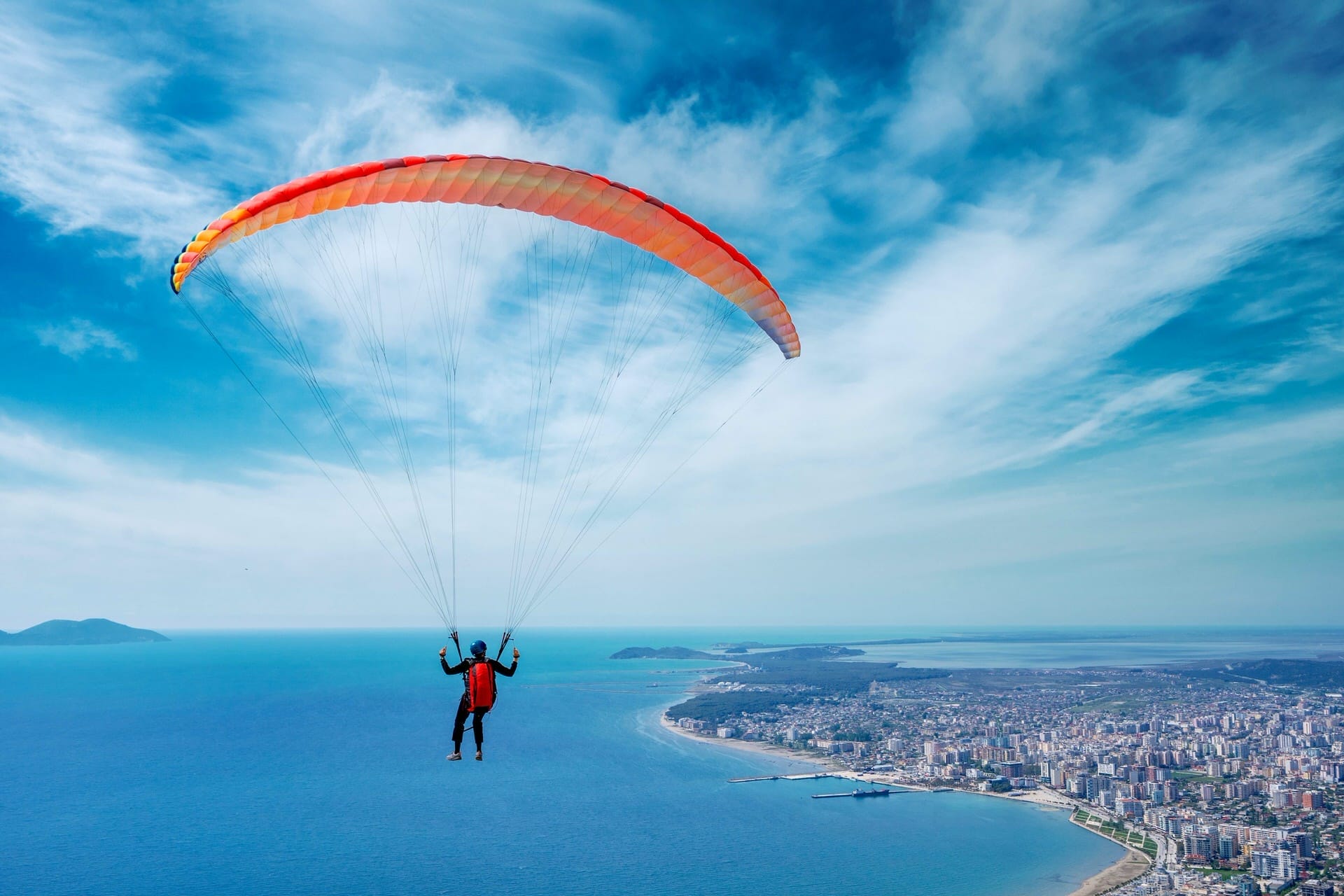
For the adrenaline junkies, the Riviera’s pristine waters offer fantastic opportunities for water-based adventure. Popular activities include jet-skiing, parasailing, windsurfing, and paddleboarding. Some beaches also offer scuba diving and snorkeling experiences, allowing you to explore the abundant marine life that inhabits the crystal-clear waters.

If you’re looking for a more laid-back water activity, take a leisurely boat tour along the coast and admire the stunning scenery from a different perspective. You might even spot some dolphins or sea turtles!

Historical Sites and Monuments

As mentioned earlier, the Riviera has numerous archaeological sites and monuments steep in history. Key attractions include the ancient city of Butrint, the Castle of Ali Pasha at Porto Palermo, and the ancient wine press in Orikum. Guided tours are available for those who wish to delve deeper into the region’s rich past.

For a unique historical experience, visit the Ethnographic Museum in Gjirokastra. Housed in a stunning Ottoman-era house, the museum offers a glimpse into traditional Albanian life and culture.

Local Cuisine and Restaurants

No visit to the Albanian Riviera is complete without sampling the delicious local cuisine. Experience fresh seafood and traditional dishes that are infused with a fusion of Mediterranean and Balkan flavors. Be sure to try regional specialties such as qofte (Albanian meatballs) and Tavë kosi (a savory lamb and yogurt dish).

For a truly authentic dining experience, visit a local family-owned restaurant and enjoy a home-cooked meal. You’ll not only get to savor delicious food but also learn about Albanian hospitality and culture.

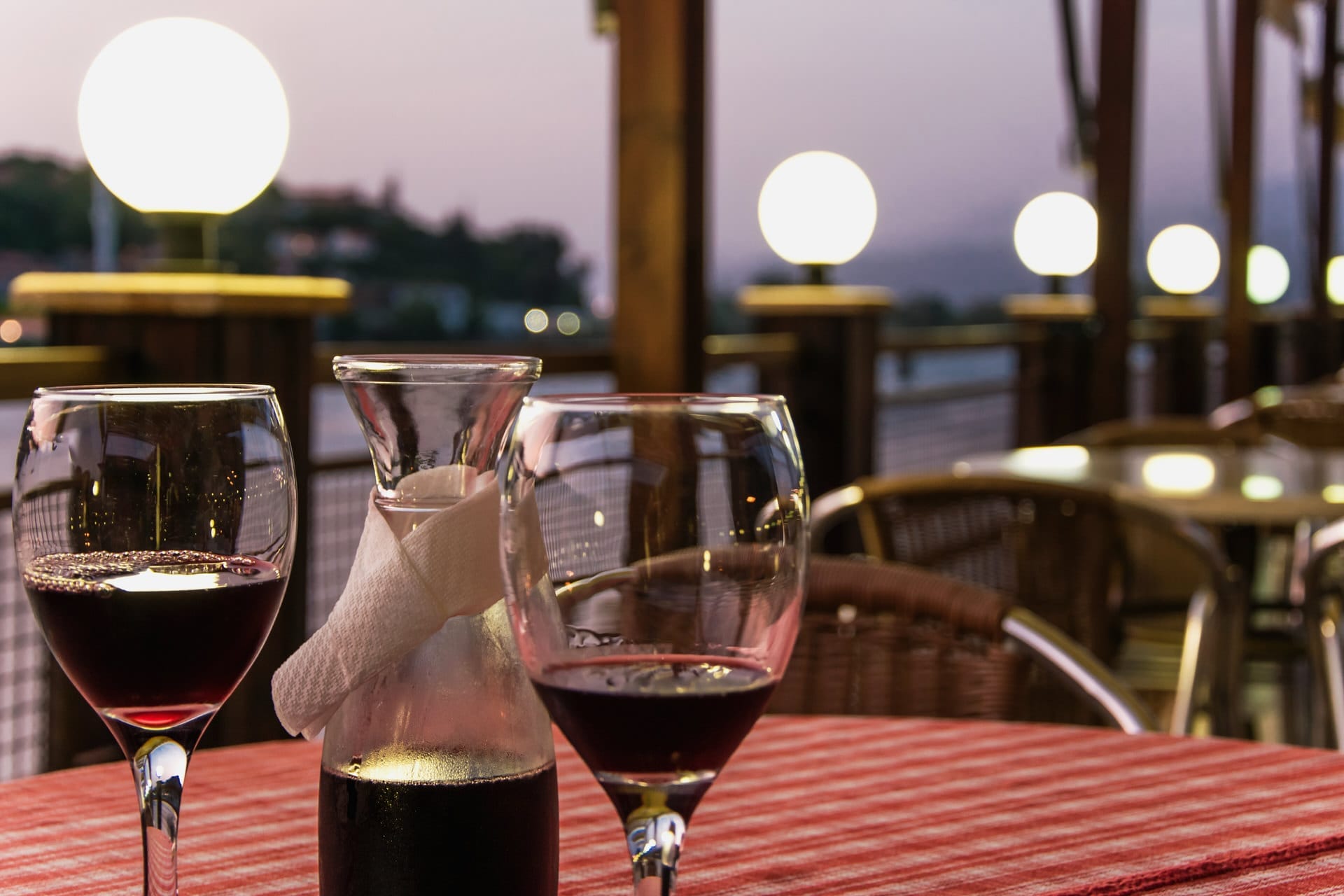
Don’t forget to wash down your meal with a glass of local wine or raki, a traditional Albanian brandy made from grapes or plums.

Planning Your Trip

To make the most of your Albanian Riviera getaway, consider the following tips and recommendations:

Best Time to Visit

The peak season for the Riviera is between June and August, when the weather is warmest and the beaches are bustling with activity. However, these months can also be the most crowded. To avoid the crowds and enjoy slightly cooler temperatures, consider visiting in May or September, during the shoulder season.

Accommodation Options

The Albanian Riviera has a range of accommodation options to suit all budgets and preferences. From luxurious resorts and boutique hotels to affordable guesthouses and beachfront apartments, there is something for everyone.

Transportation and Accessibility

Getting to the Albanian Riviera is relatively straightforward, with international flights arriving in the nearby cities of Durrës and Corfu, Greece. From there, the region is easily accessible by car or bus. Alternatively, sightseeing cruises and private boat rentals offer a unique and scenic way to explore the coastline.

The Albanian Riviera is an incredible destination, offering breathtaking beaches and many activities and attractions. Plan your visit now and experience the unspoiled beauty of this Mediterranean paradise for yourself.

Whether you’re looking for a relaxing beach vacation, an adventure-filled hiking trip, or a chance to immerse yourself in local culture, the Albanian Riviera has something for everyone.
Was this helpful?

Good job! Please give your positive feedback

How could we improve this post? Please Help us.

Chapter 6

The Winds of Change

Listen to this chapter

Albanias Turbulent Transition

Thunder rolled across Kennedy Airport's rain-slicked tarmac as I stood at the gate in July 1987, my diplomatic passport heavy in my breast pocket like a stone. Five years of representing Albania at the United Nations had taught me to wear authority like armor, but today that armor felt paper-thin. Beyond the terminal's vast windows, an Alitalia jet waited to carry me home to a country that had begun to view me as foreign, perhaps even dangerous.
The whispers had begun weeks earlier. My replacement at the Albanian Mission, Sazan Bejo, arrived bearing veiled warnings over coffee that tasted suddenly bitter. "Be careful, Ilia," he'd murmured, eyes scanning the Manhattan café for potential listeners. "Things are... complicated at home." Letters from Tirana carried cryptic messages between their lines. My brother, who had always been my protector since childhood, wrote of "unusual interest" in my return. My cousin, a driver for foreign dignitaries, overheard conversations in hotel lobbies that made him say: "They are watching your arrival closely."

Though these warnings lacked concrete evidence, they hung over me like the storm clouds gathering outside the terminal windows. The thought of seeking political asylum had flickered briefly in my mind during sleepless nights, but my daughter remained in Albania, still living under the watchful eye of the communist regime. What retribution might fall on her innocent head if I refused to return? I kept these fears from my wife, whose dark eyes nevertheless reflected her own unspoken anxiety.

"Final boarding call for Alitalia Flight 457 to Rome, continuing on to Tirana," the announcement sliced through my thoughts. I tightened my grip on my carry-on bag and turned to my wife and young son. The moment of decision had arrived.

Two weeks earlier, I had shared a final dinner with Dr. Mike Zotos, a dear friend and Columbia University-educated psychologist whose Greek heritage connected him to the Balkans in ways few Americans could understand. The restaurant's warm lighting had softened the edges of our conversation, but not its substance.

"They're recalling you because you've become too independent," Mike had said, a wine glass held halfway to his lips. "You've seen too much of the outside world."

"Perhaps," I replied, studying the tablecloth's pattern. "Or perhaps they simply need me elsewhere."

Mike's skeptical expression had said everything. Over the years, he and his wife Tulla had become like family to us, their home a sanctuary of warmth and understanding. Years later, after I had returned to America as a graduate student in Wisconsin, the news of Mike's passing would reach me through Tulla's tearful phone call, a reminder that some bonds transcend politics and borders.

Under orders, my wife, young son, and I now boarded the plane. The cabin's stale air carried the scent of cigarettes and cheap cologne. As we took our seats, I felt the weight of two worlds pulling at me – the America that had expanded my horizons, and the Albania that still owned my future. The aircraft shuddered as it lifted into the gray New York sky, and I wondered if I was flying toward my destruction.
Tirana's airport greeted us with the familiar scent of diesel and dust. My eyes scanned the terminal for plainclothes security officers, searching for the telltale bulge of shoulder holsters beneath ill-fitting jackets. To my cautious relief, there were none waiting. Yet the absence of any Foreign Ministry representative to greet a returning diplomat spoke volumes about my uncertain status.

Instead, a lone official Mercedes – an old model showing the wear of diplomatic service – idled at the curb. The driver nodded curtly; he had been sent by Llambi Gegprifti, the mayor of Tirana, a trusted confidant from my earlier days. This unexpected gesture brought a mixture of comfort and unease. At customs, officers examined our luggage with unusual thoroughness, opening even the small suitcase containing my son's toys. Their faces revealed nothing as they waved us through.

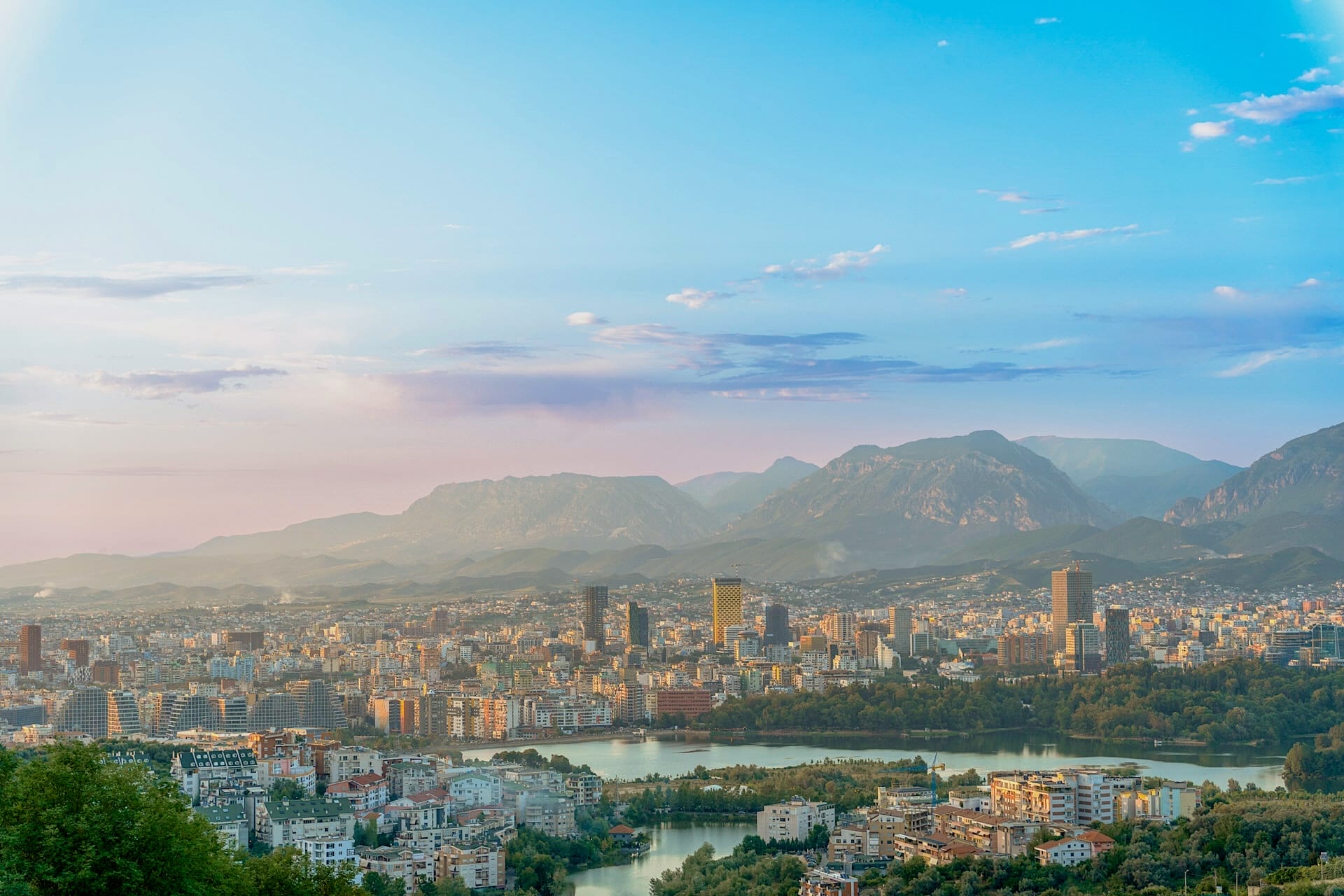
The road into Tirana revealed a city unchanged yet somehow diminished since my departure. The same concrete apartment blocks, the same propaganda billboards celebrating the Party's triumphs, the same old men playing chess in the park – but everything seemed grayer, more worn at the edges. Had Albania always been this way, or had my eyes been altered by America's vibrancy?

The following evening found us in Mayor Gegprifti's home, where the rich aroma of traditional tavë kosi – baked lamb with yogurt – filled the dining room. Gegprifti's past roles as Minister of Industry and Mines and Deputy Minister of Defense had endowed him with a keen eye for political currents. Known for his fairness and open-mindedness, he represented a rare breed in Albania's political ecosystem – a man of integrity who had somehow survived the system's hungry appetite for conformity.

Over glasses of raki, the clear spirit catching the light, we exchanged news and memories. I carefully sidestepped any mention of my troubled relationship with our UN ambassador, focusing instead on diplomatic anecdotes that painted Albania in a favorable light. Yet Gegprifti's perceptive eyes caught the shadows behind my carefully chosen words.

"You seem troubled, my friend," he said quietly as his wife stepped out to check on dessert.

"Just tired from the journey," I replied, the lie sitting heavy on my tongue.

He nodded, respecting my reticence, and smoothly steered the conversation toward lighter topics – his daughter's university studies, the promising olive harvest this year. But the undercurrent remained, electric and unspoken. We both knew that in Albania of 1987, silence often carried more truth than words.

Years later, I would remember this evening with particular poignancy when news reached me of Gegprifti's passing in May 2023, at 81. After being accused of "funds abuse" in 1993, only to be acquitted on appeal, he left Albania in 1995. Later entangled in allegations of crimes against humanity that were eventually dropped during the unrest of 1997, he had lived his final years in modest circumstances with his wife Fanika. The contrast between his simple apartment and the opulent villas of Albania's new political elite, who amassed fortunes through dubious means, spoke volumes about the nation's transformation.

The warm reception at Gegprifti's home evaporated like morning mist when I stepped into the Foreign Ministry the next day. The marble halls, once familiar as my own heartbeat, now felt cold and forbidding. Colleagues averted their eyes or offered smiles that never reached them. Whispers followed me like shadows as I made my way to my old office, now occupied by someone else.

"Comrade Zhulati," the receptionist said, the formal address telling me everything I needed to know about my changed status. "You are expected at the Department of Political Intelligence tomorrow morning at nine. The Party Secretary will be present."

I nodded, keeping my face carefully neutral. So it had begun – the reckoning I had feared since receiving my recall orders.

"The Party never forgets, Comrade Zhulati," she added, her voice lowered. "Neither its heroes nor its... disappointments."

That night, I sat at our apartment window, watching the lights of Tirana flicker in the distance. My wife moved quietly behind me, unpacking our belongings, arranging our sparse furniture into the semblance of a home. Neither of us mentioned tomorrow's meeting. Some fears are too large for words, casting shadows that swallow conversation whole.

My path to the diplomatic posting in New York had been fraught with political obstacles from the beginning. The Ministry of Foreign Affairs, discovering my wife's family ties to a political prisoner – her uncle, imprisoned for the crime of criticizing the regime's prioritization of bunkers over housing – had initially blocked my appointment. Only President Ramiz Alia's direct intervention, recognizing my linguistic skills and diplomatic potential, had secured the coveted position.

Yet even in New York, thousands of miles from Albania, the regime's paranoia had reached across oceans to monitor my every move. My predecessor at the UN Mission, the party secretary of the Department of Political Intelligence, had spent more time monitoring Albanian émigré radio broadcasts than engaging in actual diplomacy. His English had been rudimentary at best, his diplomatic skills nonexistent. I, by contrast, had focused on building bridges, delivering speeches, exercising Albania's Right of Reply in UN committees, and cultivating relationships with journalists and diplomats from across the political spectrum.

Our approaches could not have been more different, and therein lay my vulnerability. I saw Albanian émigrés not as enemies of the state but as disillusioned patriots who still loved their homeland, if not its government. This view, which I had dared to express in a confidential memo to President Alia, was heresy in a system where ideological purity trumped pragmatic engagement.

That evening, a knock at our door startled us. A colleague from the Ministry stood outside, his face tense with unease. "I was in the neighborhood," he said, the transparent lie hanging between us. Over coffee and raki, we exchanged pleasantries until my wife discreetly withdrew to put our son to bed.

"They sent me to gauge your defense for tomorrow," he finally admitted, voice barely above a whisper. "The department is...concerned about your testimony."

I thanked him for his honesty, for risking his own position to warn me. "Tell them I will speak the truth as I see it," I said simply. "Nothing more, nothing less."

After he left, I sat alone in our small living room, listening to the unfamiliar sounds of Tirana after years in Manhattan. A dog barked in the distance; someone's radio played folk music through an open window; a couple argued in the apartment above. These ordinary sounds of life continuing, oblivious to the political currents that might soon sweep me away, brought an unexpected comfort. Whatever happened tomorrow, Albania would continue its slow, painful evolution toward whatever future awaited it.

The Department of Political Intelligence occupied the fourth floor of the Ministry of Foreign Affairs building, its windows narrow as if suspicious of too much light. Inside, the smell of floor polish and stale cigarette smoke mingled with the distinctive scent of fear – a smell I had almost forgotten during my years in America.

I was ushered into a conference room where a long table dominated the space. Deputy Prime Minister Isai sat at one end, his presence a clear indication of the meeting's importance. Though we had met several times before, his greeting was curt, his eyes avoiding mine. The party secretary opened proceedings with ominous formality.

"Comrade Zhulati, this meeting has been convened to address serious concerns about your activities during your posting in New York."

The Party Secretary of the Ministry of Interior, an elderly man whose face seemed permanently set in disapproval, took over. His voice, weathered by decades of tobacco, scraped through the room like a rusted blade.

"We have reports that you have been contaminated by Western influences," he began, emphasizing each syllable as if teaching a child. "Your interactions with Albanian émigrés – known enemies of our socialist state – raise questions about your ideological commitment. Your conversations with American journalists, particularly with the Voice of America's Dr. Biberaj, suggest a dangerous susceptibility to imperialist propaganda."

As he continued cataloging my supposed transgressions, I studied the faces around the table. Some showed genuine ideological fervor; others merely performed the expected outrage; a few – mostly younger officials – kept their expressions carefully neutral, revealing nothing.

When my turn came to speak, I rose slowly, feeling the weight of every eye in the room. The silence stretched taut as a wire.

"Comrades," I began, the familiar address feeling strange on my tongue after years of 'ladies and gentlemen' at the UN. "I have served Albania with unwavering loyalty for my entire career. In New York, I represented our nation with dignity and effectiveness, raising our profile in international forums where previously we had been invisible."

I turned to address the party secretary directly. "You claim I have been influenced by Western decadence, yet offer no evidence beyond my professional contacts with journalists and diplomats – contacts essential to my role. You suggest my conversations with Dr. Biberaj indicate disloyalty, yet have you actually read his analyses? They are often more nuanced and fair to Albania than many European commentaries."

Regarding the émigrés, I argued that the world had changed. "Albania in 1987 is not Albania of 1950. The geopolitical landscape has shifted, and these scattered communities no longer pose the threat they once did. Many simply wish to reconnect with their homeland, to contribute to its development."

I reminded them that I had voiced similar views directly to President Alia, demonstrating my commitment to honest counsel even when politically inconvenient. "What benefit would it serve Albania to continue treating every expatriate as an enemy? What diplomatic advantage does such isolation bring us?"

Turning to the party secretary, a man whose diplomatic achievements were negligible, I drew the contrast with my own record. "During my time in New York, I delivered numerous speeches in the UN General Assembly and its committees. I exercised Albania's Right of Reply against Britain on the Corfu Channel issue, defending our sovereignty in a forum where such defenses are heard by the entire world. I built relationships with key journalists who now cover Albania with greater understanding."

My voice rose slightly as I reached my conclusion. "What interests could possibly have been harmed by these efforts? After decades of isolation, my work has enhanced Albania's standing and visibility. The world is changing around us, comrades. We must adapt our diplomatic approach to this new reality or risk being left behind."

I saw Deputy Prime Minister Isai's expression shift slightly – a momentary flicker of recognition, perhaps even respect. Several younger officials nodded almost imperceptibly. But the hard-liners remained unmoved, their faces set in ideological stone.

The meeting concluded with a formal reprimand – a mild punishment by Albanian standards, but a black mark on my record nonetheless. As a final act of petty retribution, they reassigned me to the Italian desk, deliberately reducing my role. Yet their shortsightedness soon became apparent as the political landscape shifted. Within months, they found themselves forced to rely on my expertise, expanding my responsibilities to include the crucial U.S., German, and British portfolios.

That evening, I sought out Mayor Gegprifti, my most steadfast ally in the system. Over dinner at a small restaurant where the owner knew to give us a private corner, I recounted the day's events. Gegprifti listened carefully, his weathered fingers turning his wine glass in slow circles.

"You spoke the truth to them," he said finally. "That is both your greatest strength and your most dangerous flaw, my friend."

He shared that he had jokingly asked Interior Minister Isai how many medals I deserved instead of a reprimand. "Isai almost smiled," Gegprifti added. "Almost."

Later, I learned that Gegprifti had cornered Foreign Minister Malile at a diplomatic reception, championing my cause with the persistence of a man who understood power's mechanics intimately. This intervention, combined with Deputy Prime Minister Isai's awareness of my reputation among foreign diplomats, allowed me to retain my position despite the formal censure.

Just weeks after my return, in late August 1987, an unexpected visitor arrived in Albania. Professor Charles Moskos, the distinguished Northwestern University military sociologist, appeared with his wife Ilka. Though the Department had assigned another guide to the American academic couple, Moskos insisted that I accompany them – a request that raised eyebrows but could not be refused without creating a diplomatic incident.

The real purpose of Moskos's visit was transparent to those who understood the subtle language of diplomatic gestures. He had come to ensure I hadn't been imprisoned or worse. His presence sent a clear message to the regime: this Albanian diplomat had powerful friends watching out for his welfare.

Acting Prime Minister Isai, demonstrating unexpected political finesse, personally arranged for me to escort the couple and secured them rooms at Tirana's finest hotel. Deputy Prime Minister Isai called me to his office and ordered me to take Professor Moskos for a special dinner at Dajti Hotel, the best hotel in Albania at the time, a place reserved for dignitaries and diplomats. I took with me also my office friend who had met with Prof. Moskos and his wife Ilka first. During the dinner, Prof. Moskos reiterated the importance of restoring diplomatic relations between Albania and the US and urged that I inform president Alia to take a decision over this important matter. I promised Professor Moskos that I was going to write to president Alia about Professor Moskos coming to Albania and about his appeal that Albania restore diplomatic relations with the US, something important for its strategic and economic development of the country.

The next morning I went to meet again with Prof. Moskos for coffee. Prof. Moskos told me that his wife Ilka was pretty sick from an ear infection for the whole night and asked me if I could get her to an ear specialist.

I immediately arranged for her treatment at a hospital in Tirana, remaining by her side to ensure she received proper care. Moskos's gratitude was profound and genuine. As we walked the hospital corridors together, he squeezed my shoulder.

"We were worried about you, Ilia," he said quietly, when no one else could hear. "Word reached us about your... difficulties."

"I'm still standing," I replied with a small smile. "For now."

"Keep standing," he said, his academic demeanor giving way to something more urgent. "People are watching, and they care what happens to you."

This brief exchange, five sentences total, communicated volumes. In those words lay the assurance that I wasn't forgotten, that beyond Albania's isolated borders, people of influence were aware of my situation. It was a lifeline thrown across ideological divides, a human connection that transcended Cold War barriers.

As 1989 dawned, the winds of change blowing through Eastern Europe became impossible to ignore. Gorbachev's reforms were reshaping the Soviet Union; Poland was negotiating with Solidarity; Hungary was dismantling its border fence with Austria. Yet in Albania, hardliners clung desperately to power, seemingly oblivious to the tectonic shifts occurring around them.

The accusations against me – of being "poisoned" by American ideology and harboring dangerous sympathies for émigrés – revealed how profoundly my accusers misunderstood global affairs. Their worldview remained frozen in the Stalinist ice age, unable to adapt to the thawing international environment.

The irony was not lost on me. Before my return to Albania in late 1987, I had witnessed the Czechoslovakian Prime Minister deliver a historic speech at the UN General Assembly advocating for greater freedom. The thunderous applause that followed had included my own enthusiastic contribution, much to the bewilderment of my Eastern Bloc colleagues. Now, in Tirana, my attempts at pragmatic diplomacy were met with suspicion and scorn by men who had never set foot outside our borders.

By early 1990, the first real cracks were appearing in Albania's hermetic isolation. When Interior Minister Simon Stefani succeeded Isai, I sensed an opportunity. During a meeting in his office – the same office where I had been reprimanded years earlier – I made a bold declaration.

"Minister Stefani," I said, "I will participate in the proposed Vienna summit with Professor Moskos only if President Alia explicitly endorses our efforts toward rapprochement with the United States."

Stefani, momentarily taken aback by my audacity, promised to consult with the president directly. For two days, I waited in a state of suspended animation, unsure whether I had overplayed my hand.

When Stefani summoned me back to his office, his expression gave nothing away. He handed me a document bearing President Alia's official seal.

"If Mr. Zhulati firmly believes that Professor Moskos' colleagues genuinely seek to restore ties between Albania and the United States," the presidential directive read, "assure him that Albania is equally ready for formal bilateral negotiations."

With a wry smile that cracked his typically stern demeanor, Stefani remarked, "You've become quite indispensable, Ilia."

That evening, I shared the news with Mayor Gegprifti over dinner at his home. "Any idea why I'm unexpectedly traveling to Austria?" I asked playfully as we awaited our appetizers.

His puzzlement turned to astonishment as I revealed our mission to finalize the time and place for initiating Albanian-American diplomatic reconciliation. "Oh, that is wonderful!" he exclaimed, his face suddenly years younger. "This is very important, Ilia!" We raised our glasses, toasting to a future neither of us had dared imagine possible.

To my surprise, Gegprifti had been completely unaware of this diplomatic initiative. It seemed President Alia had kept secret meetings with Moskos confidential for five years, from 1985 to 1990, even from his Foreign Minister, Reis Malile. This revelation puzzled me, especially considering Malile's criticism of my views on the émigré community during our contentious meeting in New York in 1986.

I could only conclude that President Alia, ever the strategic thinker, was playing a delicate game. The power struggle between conservative and reformist factions within the Politburo remained fierce. Alia's private desire to establish diplomatic relations with the United States was balanced against his fear of alienating Enver Hoxha's widow, Nexhmije, who still wielded considerable influence among the old guard. By keeping these diplomatic overtures secret, he maintained plausible deniability while testing the waters of international engagement.

Vienna in early April 1990 greeted me with a riot of spring blossoms and a sense of possibility that had long been absent in Tirana. My old friend Ilir Cepani, First Secretary at the Albanian embassy, met me at the airport with a warm embrace. As he drove me through the imperial city's streets, past buildings whose elegance made our Stalinist architecture seem all the more grim by comparison, Cepani chatted about local diplomatic gossip, blissfully unaware of my mission's true purpose.

On April 3, 1990, I entered the elegant Hotel Imperial to meet Professor Moskos for lunch. The restaurant's crystal chandeliers and velvet draperies created an atmosphere of refinement that felt almost surreal after years in Albania's austerity. Prof. Moskos rose as I approached, his face alight with anticipation. After exchanging pleasantries about our families, he sensed from my demeanor that I carried significant news.

"Professor Moskos," I said with a smile I couldn't suppress, "this lunch is on you today."

He laughed, his academic reserve momentarily dissolving. "Don't worry, I have a blank check from the U.S. government."

As the waiter poured a celebratory wine – not the sort one found at casual diplomatic lunches – I raised my glass. "We won," I declared, meeting his eager gaze across the starched tablecloth. "I am here on behalf of President Alia to inform you that Albania is ready to restore diplomatic relations with the United States."

Our glasses clinked, the sound crystalline and perfect, echoing the triumph of years of quiet diplomacy. Empowered to choose the time and place for formal talks, Moskos didn't hesitate. "How about the first week of May at the headquarters of the United Nations in New York?" he proposed.

I readily agreed, feeling the weight of history in that simple nod. After decades of hostility and isolation, after countless missed opportunities and false starts, the door was finally opening.

"I'm going straight to Washington tomorrow," Prof. Moskos declared, his voice charged with purpose. "By this time next week, the wheels will be in motion."

As we left the restaurant and walked through Vienna's cobblestoned streets, a lightness entered my step that had been absent for years. The following day, over coffee at a café near the Hofburg Palace, Moskos shared encouraging news from his American government contacts.

"Ambassador James Woolsey sends his regrets for missing our meeting," he said. "But he wanted me to assure you of Washington's unwavering support for Albania and Kosovo. His exact words were: 'No one will touch them.'" This promise would prove prescient in the years to come, a diplomatic lifeline during the region's darkest hours.

The conversation then took a lighter turn as Moskos mused about possibly becoming the first U.S. ambassador to Albania "if my wife would allow it," he added with a chuckle. Though said in jest, the comment revealed the depth of his commitment to bridge-building between our nations.

As we parted, I sensed the bittersweet nature of our farewell. Our paths were diverging – Prof. Moskos to Washington to formalize what we had begun, I would return to Tirana to navigate the treacherous political currents that still threatened to capsize our fragile vessel of diplomacy. Yet the impact of our work would endure beyond our personal journeys.

Upon my return to the Albanian embassy in Vienna, I discovered that my friend Cepani had weathered an interrogation from Professor Lazeri, President Alia's special advisor. Lazeri, whose academic arrogance was legendary, had been incensed to hear me referred to as "Professor Zhulati" during my visit – a title he considered his exclusive domain. Cepani, demonstrating the diplomatic skill that had earned him his posting, had smoothly explained that I had once been his English teacher, a harmless clarification that nevertheless failed to soothe Lazeri's wounded pride.

Back in Tirana on April 8, 1990, I briefed President Alia on the positive reception of Albania's overture. Four days later, he publicly declared Albania's willingness to establish diplomatic relations with both the United States and the Soviet Union – a dramatic shift that left many in the diplomatic community stunned.

The first formal meeting between Albanian and American delegations in early May 1990 at UN Headquarters proceeded with cautious optimism. Decades of mistrust could not be dispelled in a single session, and Ambassador Pitarka, heading our delegation, returned to Tirana seeking further clarification on specific terms.

Behind the scenes, I wondered how President Alia's advisor, Professor Lazeri – that staunch conservative with his deep-seated suspicion of all things Western – would react as these developments unfolded. Perhaps Alia, demonstrating the strategic acumen that had kept him in power through turbulent times, was deliberately keeping his advisor in the dark until the agreement was too far advanced to derail.

Despite initial momentum, the machinery of the Albanian bureaucracy ground painfully slowly. It wasn't until March 15, 1991, nearly a year after our Vienna meeting, that Foreign Minister Muhamet Kapllani officially signed the memorandum restoring diplomatic relations. This moment represented the culmination of six years of careful work by Professor Moskos and myself, a partnership that had begun in whispers and culminated in formal recognition.

As I watched the signing ceremony, broadcast on Albanian television, a complex emotion washed over me – pride in what we had accomplished, certainly, but also a wistful awareness that Albania opening its doors to America was already changing in ways none of us could fully predict. The future stretched before us, unwritten and uncertain, but at least now we would not face it in isolation.

The shadows of the past still loomed large, and the challenges of rebuilding trust after decades of hostility remained daunting. Yet as spring bloomed across Tirana in 1991, hope began to take root alongside the flowers. The future of Albania was being rewritten, and I had played my small part in that transformation.

During these years of diplomatic maneuvering, my academic aspirations had quietly persisted, a parallel life waiting in the wings. In 1987, I had contacted Thomas Bishop, a linguistics professor at New York University, and his Albanian-American wife, Helen, about visiting Albania once diplomatic ties were restored. The prospect filled them with excitement – Helen would be returning to her ancestral homeland, a journey of both geographic and emotional significance.

Our initial encounter in New York had been facilitated by Leonidas, an Albanian-Greek restaurateur who frequented our events at the UN mission. His own story was emblematic of the diaspora's complexity: fluent in Greek and English but not his native Albanian, he had fled with his father before liberation in 1944, leaving behind his mother and sisters. His annual pilgrimages to Albania continued until his mother's passing, each visit a bittersweet renewal of severed ties.

When the Bishops finally visited in 1990, I arranged for them to be officially invited as "friends of Albania." Over dinners in Tirana, we exchanged stories that spanned continents and ideologies. The Bishops' eagerness to explore Helen's heritage filled me with hope that the barriers between Albania and its far-flung children might finally be dissolving.

During one particularly candid conversation, I confided in Professor Bishop my own academic aspirations. With characteristic generosity, he offered to leverage his connections at the Sorbonne on my behalf. Weeks later, as Albania continued its halting progress toward openness, a letter arrived at my doorstep in Tirana – an invitation to join the prestigious Ecole des Hautes Etudes en Sciences Historiques et Physiologiques as an assistant professor and doctoral candidate.

This opportunity represented more than personal advancement; it offered a graceful exit from Albania's increasingly volatile political scene. As 1990 drew to a close, I found myself at the convergence of two paths: one continuing my work in Albania's diplomatic service during this historic transition, the other pursuing academic scholarship in Paris. Both promised to contribute to my homeland's development, though in vastly different ways.

The foundations I had helped lay for diplomatic relations with the United States were beginning to bear fruit. Yet increasingly, I sensed that my future contributions might come through academic rather than diplomatic channels. The Sorbonne invitation represented a bridge between worlds – a chance to bring Western knowledge back to an Albania desperately in need of new ideas and approaches.

As spring approached in 1991, a different Albania was emerging from decades of isolation – an Albania taking its first tentative steps toward democracy, even as I prepared for my own journey of transformation. The diplomatic breakthrough with the United States, culminating in our Vienna meeting and the subsequent formal recognition, had fulfilled my promise to Professor Moskos. Now, as Albania navigated the turbulent waters of democratic transition, a new chapter beckoned from the City of Light.

I stood at my ministry window on my last day before departure, watching Tirana's streets below. The same buildings stood as before, the same mountains ringed the horizon, but everything felt charged with potential. Change had come to Albania at last – halting, uncertain, but undeniable. And change was coming for me as well, carrying me toward Paris and whatever future awaited beyond.

[End of Chapter 6]


Be First to Know

Get exclusive launch updates and special offers
First Access
Be notified the moment the book launches
Exclusive Discount
Special launch day pricing for subscribers
Bonus Content
Access to exclusive excerpts and author insights
We respect your privacy. Unsubscribe at any time.
Help us improve!
How could we make this article more helpful for you?

This content is copyrighted and cannot be copied or saved.