Preview
- Archaeology Museums
- Ethnographic Museums
- History Museums
- List of History Museums in Albania
- National History Museum
- Skanderbeg Museum
- Congress of Lushnjë Museum
- National Museum of Education
- Museum of National Independence
- History Museum of Shkodër
- History Museum of Fier
- History Museum of Lushnjë
- Historical Relics Museum of Vlorë
- History Museum of Mat
- Museum of Pogradec
- Museum of Gramsh
- Bunk’Art 1
- Bunk’Art 2
- Museum of Secret Surveillance (House of Leaves)
- Communist Crimes Museum
- Museum of LANÇ
- Armed Forces Museum
- Kastrioti Museum of Sinë
- Woman’s Museum
- Hebrew Museum
- Site of Witness and Memory
- Durres Archaeological Museum
- Sarande Museum
- Museum Of Castle Rozafa
- Shkoder Historical Museum
- Historic Museum (Vlora)
- Muzeu Historik Shkoder
- Muzeu Dioqezan Shkodër-Pult
- Muzeu Historik Mirditë
- List of History Museums in Albania
- Arts & Culture Museums
- Art Galleries
- Collections Museums
- Religious Museums
Archaeology Museums
Many of Albania’s museums specialize in archaeology, displaying artifacts left behind by ancient Illyrians, Greeks, Romans, and others who shaped this land.
The National History Museum in Tirana provides a sweeping overview of Albania’s ancient peoples, with over 5,000 artifacts from prehistory to medieval times.
Admire delicate jewelry, stone carvings, and painted pottery that offer glimpses into daily life millennia ago.
In Durrës, the city’s Archaeology Museum, located near the historic port, chronicles the rise and fall of past civilizations.
View vessels, tablets, and mosaics used by Greeks and Romans who passed this Adriatic crossroads. Climb the preserved ancient walls of Durrës for scenic views over the city.
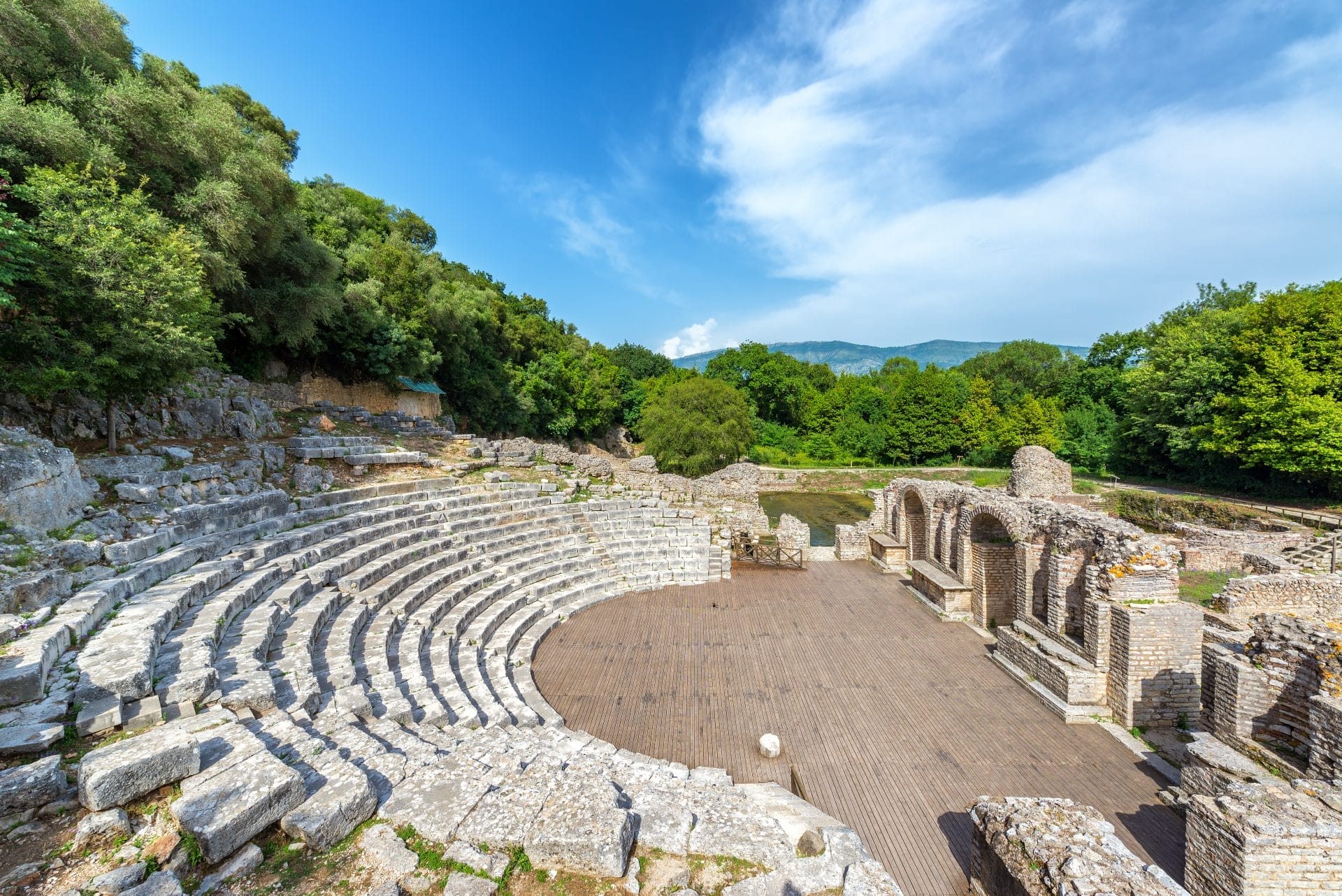
The museum at Butrint National Park displays relics from this UNESCO World Heritage site, inhabited since the 8th century BCE.
Explore artifacts from Greek and Roman temples, baths, and the on-site acropolis that speak to Butrint’s strategic importance.
List of Archeological Museums in Albania
National History Museum
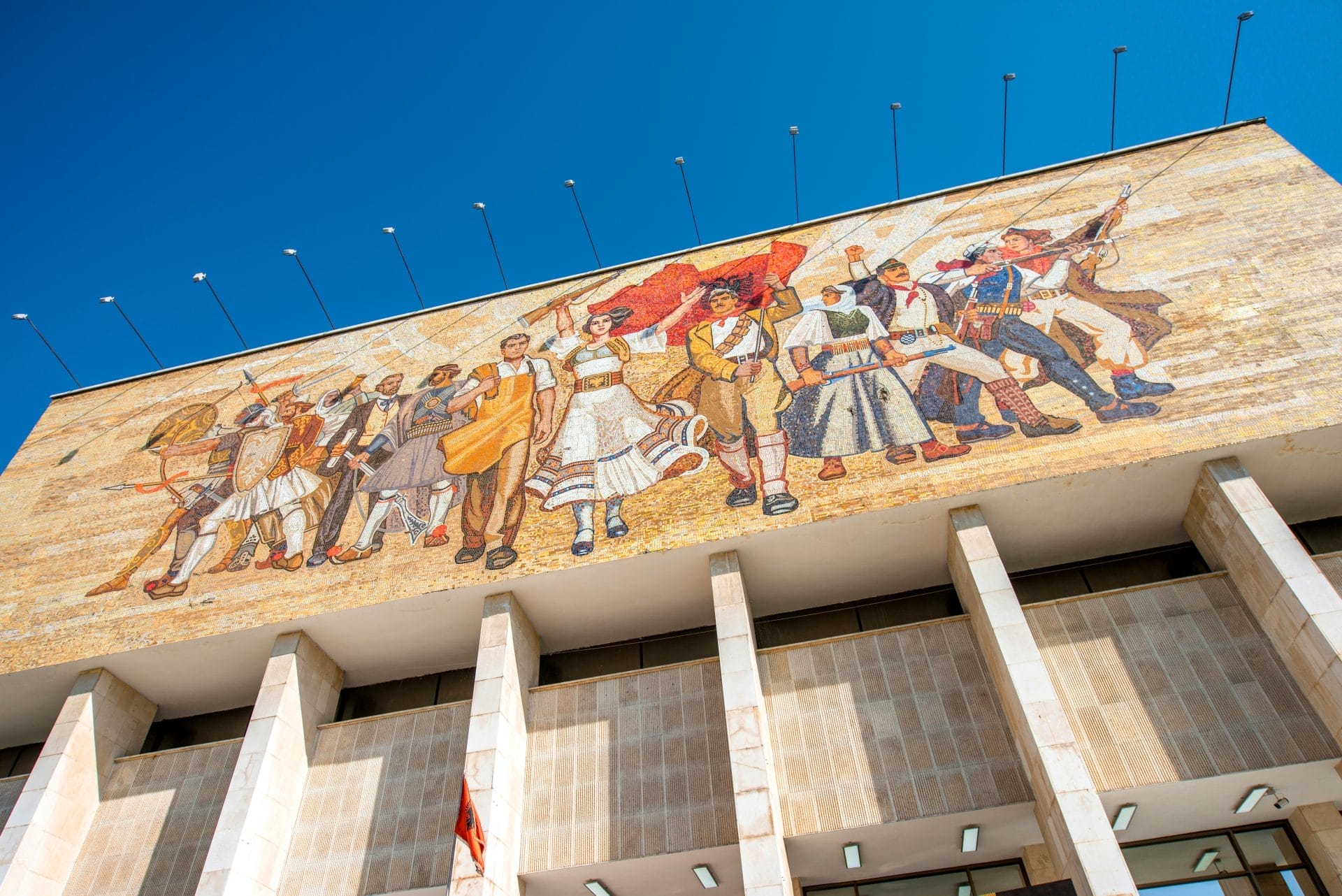
The National History Museum is the largest archaeological museum in Albania. It showcases artifacts from Albania’s prehistoric, classical, and medieval periods.
Highlights and Exhibits: The museum has many artifacts, including items from the Paleolithic era, ancient Illyrian objects, and relics from the Greek and Roman periods. A notable exhibit is the collection of antiquities from Apollonia and Durrës.
Location: Tiranë, Albania
Archaeological Museum of Durrës
The Archaeological Museum of Durrës is situated in the coastal city of Durrës, offering a deep insight into the region’s rich history, which was once a significant center of commerce and military in ancient times.
Highlights and Exhibits: The museum features many artifacts, including Roman sculptures, amphorae, and mosaics. One of the highlights is the collection of monumental Roman statues.
Location: Durrës, Albania
Archaeological Museum of Butrint
The Archaeological Museum of Butrint is located within the UNESCO World Heritage site of Butrint, an ancient city with a blend of Greek, Roman, Byzantine, and Venetian ruins.
Highlights and Exhibits: The museum showcases artifacts excavated from the site, including ancient inscriptions, sculptures, and mosaics. The surrounding archaeological site is a significant highlight, offering a glimpse into various historical periods.
Location: Butrint, Albania
Archaeological Museum of Apollonia
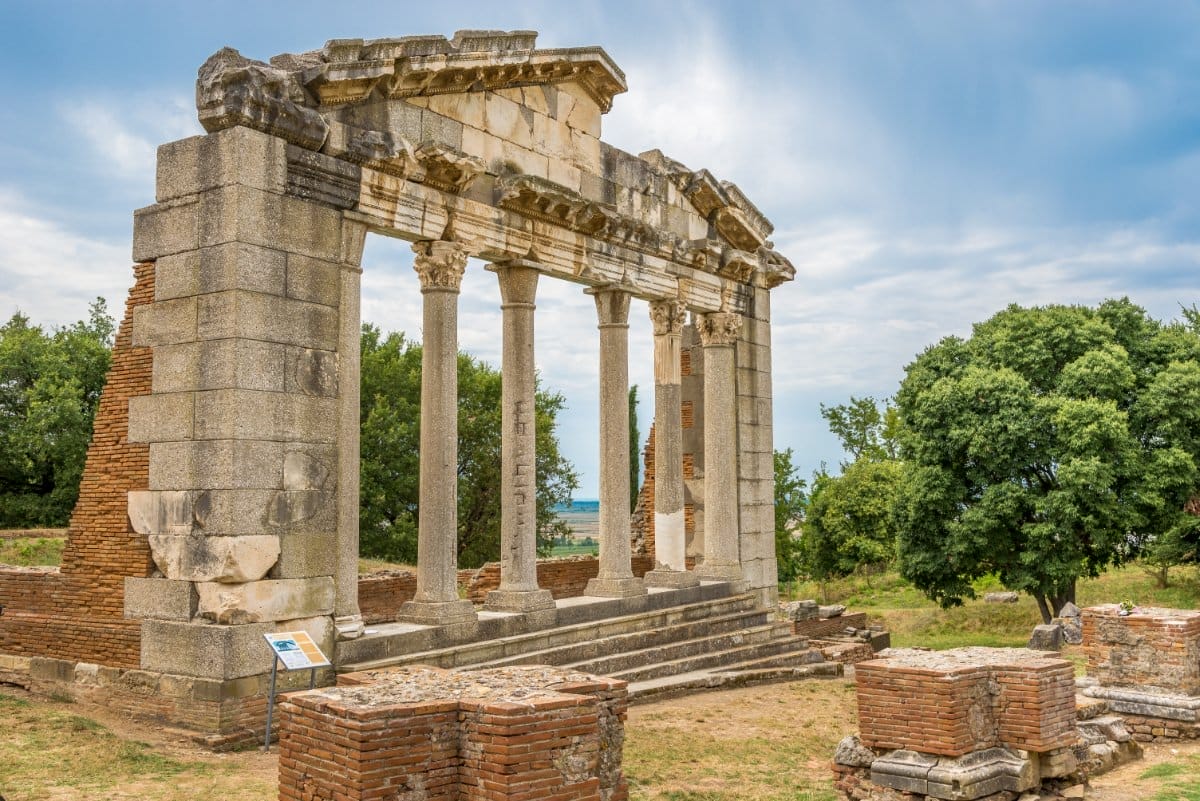
The Archaeological Museum of Apolonia is situated near the ancient city of Apollonia and is housed in a monastery dating back to the 14th century. It displays artifacts from the archaeological site of Apollonia, one of the most important ancient centers in Albania.
Highlights and Exhibits: The museum exhibits a range of artifacts, including statues, coins, and inscriptions. The archaeological site, with its ancient theatre, bouleuterion, and city walls, is a significant attraction.
Location: Fier, Albania
Archaeological Museum of Korçë
The Archaeological Museum of Korçë offers a glimpse into the region’s history, showcasing artifacts from prehistoric times to the Middle Ages.
Highlights and Exhibits: The museum features a collection of ancient coins, pottery, and sculptures. It also houses artifacts from the Illyrian and Byzantine periods.
Location: Korçë, Albania
Archaeological Museum of Lezhë
The Archaeological Museum of Lezhë presents artifacts from the ancient city of Lissus, showcasing the region’s rich history through various periods, including the Illyrian, Roman, and Byzantine eras.
Highlights and Exhibits: Visitors can explore a range of exhibits, including ancient coins, pottery, and inscriptions. The nearby Lezhë Castle offers panoramic views of the region.
Location: Lezhë, Albania
Archaeological Museum of Saranda
The Archaeological Museum of Saranda is dedicated to the history and archaeology of the southern coastal region of Albania, featuring artifacts from the ancient city of Onchesmos.
Highlights and Exhibits: The museum houses a collection of ancient coins, pottery, and mosaics. The nearby ruins of the ancient city, including a synagogue with intricate mosaics, are a significant attraction.
Location: Saranda, Albania
Museum of Kamenica Tumulus
The Museum of Kamenica Tumulus is centered around the archaeological site of a tumulus (burial mound) in Kamenicë. It showcases artifacts from the prehistoric period, offering insights into the burial practices and rituals of ancient communities in Albania.
Highlights and Exhibits: The museum displays artifacts unearthed from the site, including pottery, jewelry, and weapons. The tumulus, where excavations have revealed multiple layers of burials, is a significant highlight.
Location: Kamenicë, Albania
Ethnographic Museums
Albania’s ethnographic museums showcase the nation’s living folk culture and heritage, from antique clothing to musical instruments.
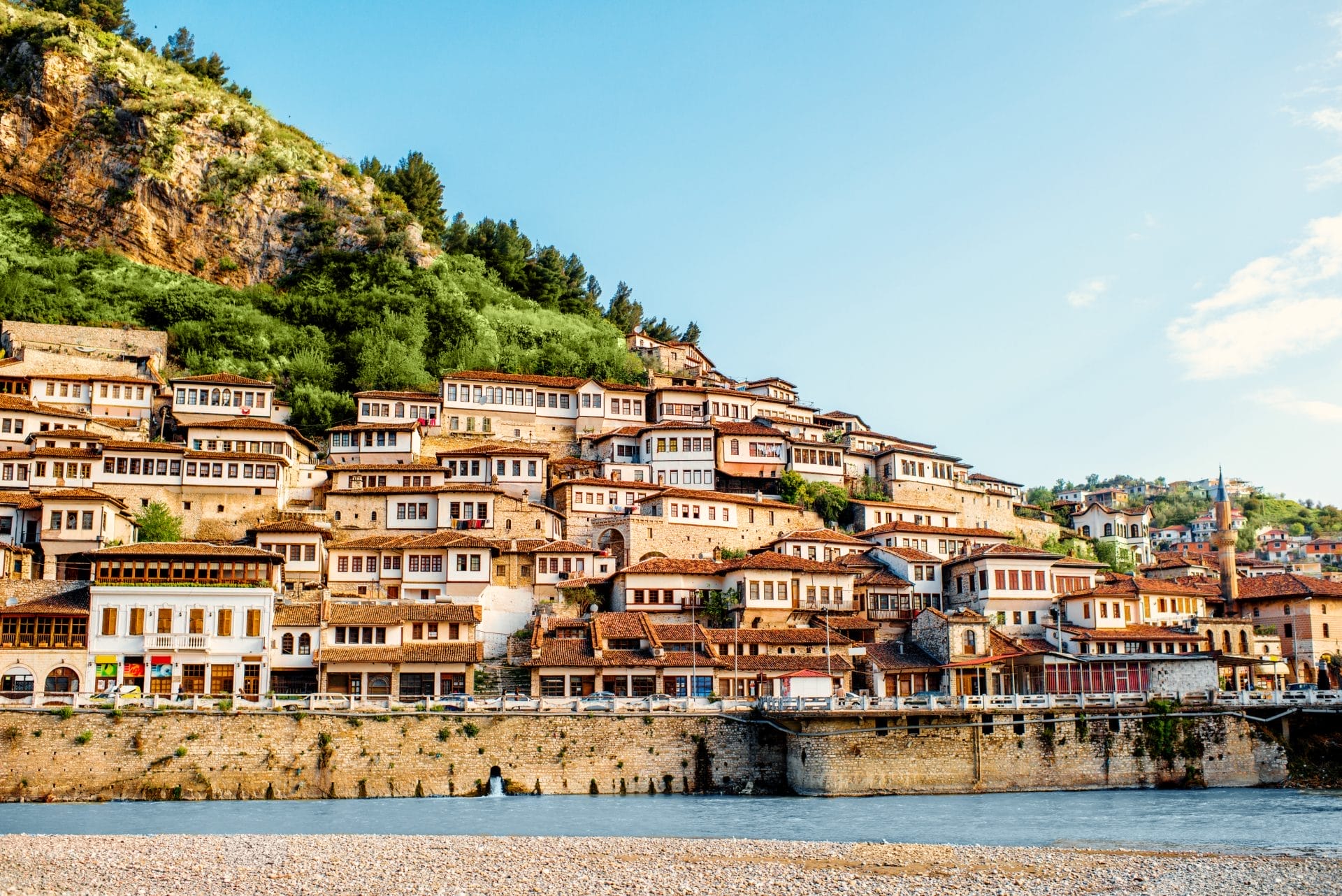
The Ethnographic Museum of Berat is set within a beautiful 18th-century house, providing a historical backdrop to exhibits highlighting the traditional culture of south-central Albania’s city of a thousand windows.
Krujë’s Ethnographic Museum sits within the walls of the iconic 15th-century Skanderbeg Castle.
Wander through rooms of traditional wares and Ottoman-era artifacts that bring Krujë’s history as a center of handicrafts to life.
The Ethnographic Museum of Gjirokastër is set within an Ottoman-era house in the UNESCO World Heritage old town.
It depicts the daily life of a wealthy family through intricate antique furnishings, textiles, clothing, and tools.
List of Ethnographic Museums in Albania
Berat Ethnographic Museum
The Berat Ethnographic Museum is housed in an 18th-century Ottoman building, offering a glimpse into the traditional lifestyle and culture of the Berat region.
Highlights and Exhibits: The museum showcases a rich collection of traditional costumes, household items, and artisanal tools. It also features a reconstructed traditional Albanian house setting.
Location: Berat, Albania
Ethnographic Museum of Krujë
Situated in the historic city of Krujë, this museum offers insights into the traditional Albanian way of life, particularly focusing on the 18th and 19th centuries.
Highlights and Exhibits: Exhibits include traditional clothing, household utensils, and artifacts showcasing the craftsmanship of the time, including woodworking and metalworking.
Location: Krujë, Albania
Ethnographic Museum of Elbasan
This museum in Elbasan showcases the rich cultural and historical heritage of the region, with a focus on traditional Albanian lifestyle and crafts.
Highlights and Exhibits: The museum features a collection of traditional costumes, textiles, and household items, offering a glimpse into the daily life of the Albanian people in the past.
Location: Elbasan, Albania
Ethnographic Museum of Vlorë
Located in the coastal city of Vlorë, this museum is dedicated to preserving and showcasing the traditional culture and lifestyle of the Vlorë region.
Highlights and Exhibits: Visitors can explore a range of exhibits, including traditional clothing, musical instruments, and artifacts related to the maritime traditions of the region.
Location: Vlorë, Albania
Ethnographic Museum of Durrës
This museum in Durrës offers a deep insight into the traditional culture and lifestyle of the Durrës region, focusing on crafts and daily life activities.
Highlights and Exhibits: The museum houses a collection of traditional costumes, textiles, and artifacts showcasing the region’s rich cultural heritage.
Location: Durrës, Albania
Ethnographic Museum of Kukës
Situated in the northern city of Kukës, this museum is dedicated to preserving the traditional culture and heritage of the Kukës region.
Highlights and Exhibits: The museum features a collection of traditional clothing, household items, and artifacts showcasing the craftsmanship and lifestyle of the region.
Location: Kukës, Albania
Ethnographic Museum of Gjirokastër
Located in the historic city of Gjirokastër, this museum offers a glimpse into the traditional lifestyle and culture of the Gjirokastër region.
Highlights and Exhibits: The museum showcases a rich collection of traditional costumes, textiles, and household items, offering insights into the daily life of the Albanian people in the past.
Location: Gjirokastër, Albania
Ethnographic Museum of Kavajë
This museum in Kavajë is dedicated to showcasing the traditional culture and lifestyle of the Kavajë region, focusing on crafts and daily life activities.
Highlights and Exhibits: The museum houses a collection of traditional costumes, textiles, and artifacts showcasing the region’s rich cultural heritage.
Location: Kavajë, Albania
Museum of Rozafa Castle
The Museum of Rozafa Castle is situated within the Rozafa Castle, offering insights into the history and legends associated with the castle and the region.
Highlights and Exhibits: The museum features exhibits on the castle’s history, including artifacts unearthed during archaeological excavations. The castle itself offers panoramic views of the surrounding area.
Location: Shkodër, Albania
History Museums
Through stories of struggle and triumph, Albania’s history museums narrate the nation’s journey to independence after centuries of occupation.
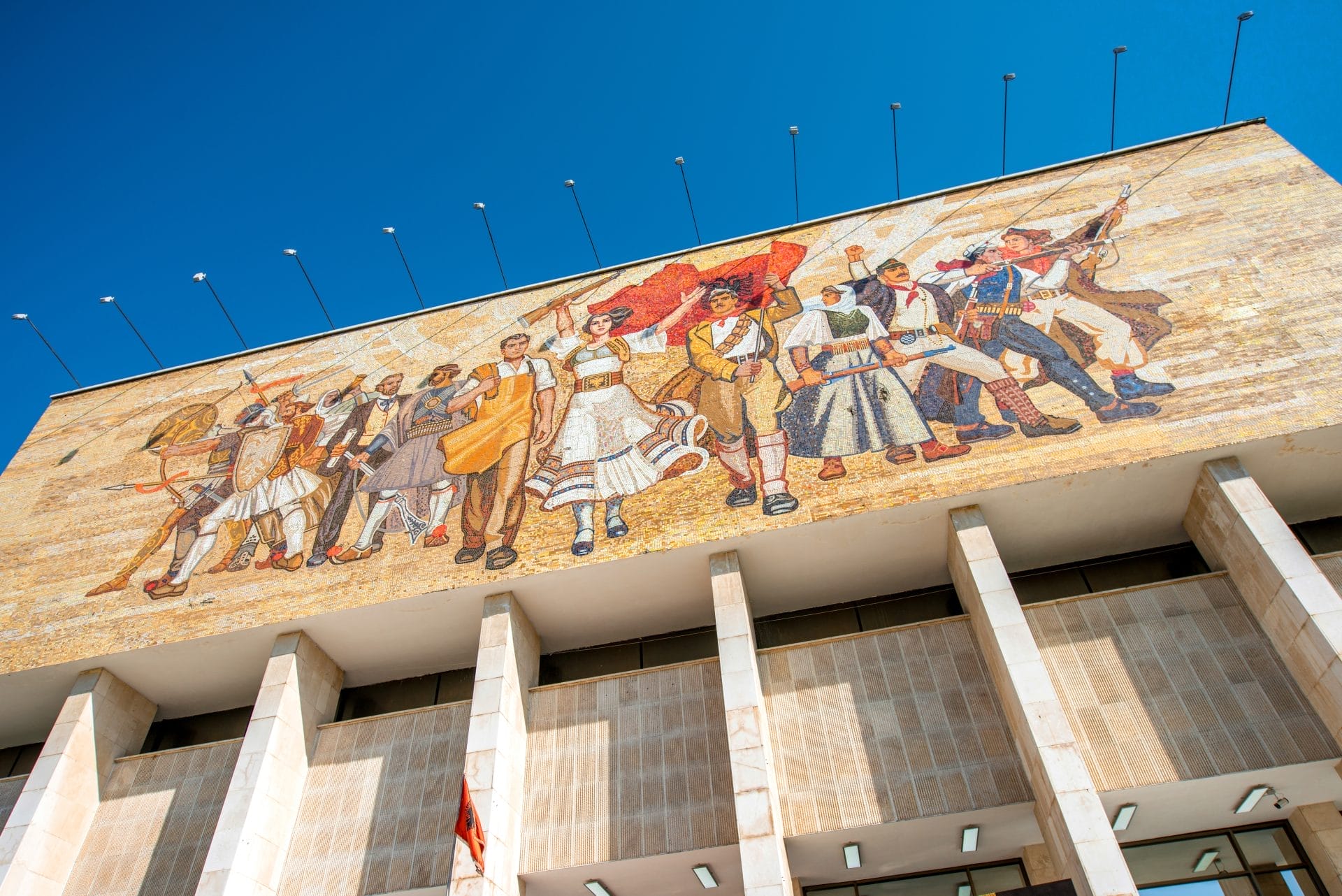
The National History Museum in Tirana contains exhibits spanning Albania’s history from prehistoric times.
Key highlights include medieval crosses, communist-era government artifacts, photos of early 20th-century nationalists, and the original Declaration of Independence flag.
Krujë’s Skanderbeg Museum is located within the 15th century Krujë Castle, where national hero Skanderbeg launched resistance to Ottoman rule. See artifacts from his life and Albania’s pivotal struggle for autonomy in the Ottoman era.
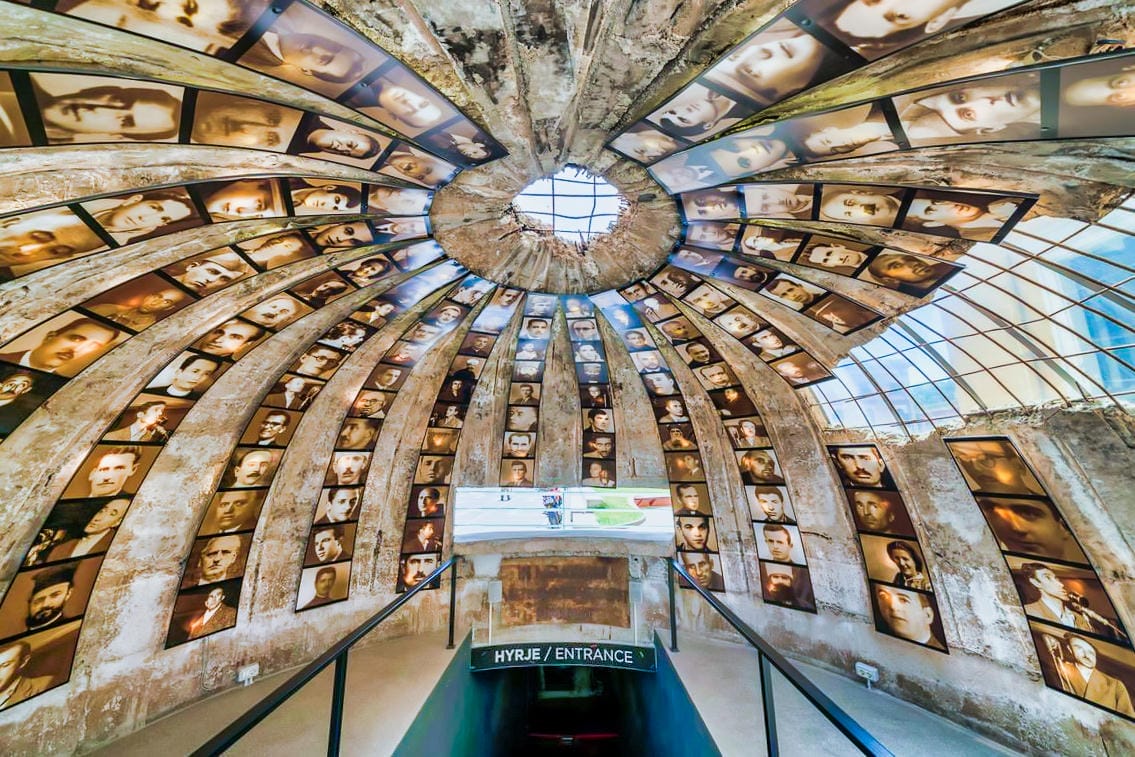
Bunk’Art 1 is a fascinating history museum located within a massive communist-era bunker in central Tirana.
List of History Museums in Albania
National History Museum
Description: The National History Museum, the largest museum in Albania, offers a comprehensive journey through the various epochs of Albania’s history. From ancient to modern times, the museum narrates the rich tapestry of Albania’s past, offering visitors a deep insight into the nation’s cultural and historical heritage.
Highlights and Exhibits: The museum is segmented into different sections, each representing a different time period in Albania’s history. Visitors can explore the Antiquity Hall with artifacts from the Illyrian, Greek, and Roman periods, the Iconography Hall housing religious art from the Byzantine period, and the Pavilion of Independence documenting the struggle for independence and the formation of the Albanian state.
Location: Sheshi Skënderbej 1, Tirana, Albania
Skanderbeg Museum
Description: Located within the historic Krujë Castle, the Skanderbeg Museum pays homage to Albania’s national hero, Gjergj Kastrioti Skanderbeg. The museum offers an immersive experience of the life and times of Skanderbeg, showcasing his battles and personal life through a rich collection of artifacts and exhibits.
Highlights and Exhibits: The museum houses personal belongings and war artifacts of Skanderbeg, offering a detailed representation of the battles he led against the Ottoman Empire. The museum’s architecture, a blend of modern and medieval elements, adds to the enriching experience.
Location: Krujë Castle, Krujë, Albania
Congress of Lushnjë Museum
Description: The Congress of Lushnjë Museum is a testament to the pivotal Congress of Lushnjë, a significant event that shaped Albania’s path to independence and governance. The museum houses a rich collection of documents and photographs from the period, offering visitors a glimpse into this critical chapter of Albania’s history.
Highlights and Exhibits: The museum features a collection of documents and photographs from the period of the Congress, personal belongings of the participants, and a detailed account of the events leading up to and following the Congress.
Location: Lushnjë, Albania
National Museum of Education
Description: Situated in Korçë, the National Museum of Education is housed in the building where the first Albanian school was established. The museum narrates the education journey in Albania, with a special focus on developing the Albanian alphabet and language.
Highlights and Exhibits: The museum showcases original classroom settings from the early 20th century, a collection of old textbooks and teaching materials, and exhibits tracing the development of the Albanian alphabet, offering a rich insight into the educational history of Albania.
Location: Korçë, Albania
Museum of National Independence
Description: The Museum of National Independence, located in Vlorë, is a tribute to Albania’s struggle for independence from the Ottoman Empire. It is housed in the historic building where the Declaration of Independence was signed in 1912, offering visitors a vivid journey through a defining period in Albania’s history.
Highlights and Exhibits: The museum houses original documents, including the Declaration of Independence, the personal belongings of Ismail Qemali, and a collection of photographs documenting the events of the independence movement.
Location: Vlorë, Albania
History Museum of Shkodër
Description: The History Museum of Shkodër is a significant repository of the rich history and culture of the Shkodër region. It offers a comprehensive view of the historical developments and events that have shaped the region over the centuries.
Highlights and Exhibits: The museum features many exhibits, including archaeological artifacts from the prehistoric period, items from the Illyrian and Roman times, and exhibits documenting the region’s role in the national independence movement.
Location: Shkodër, Albania
History Museum of Fier
Description: Situated in the vibrant city of Fier, this museum is a treasure trove of historical artifacts and exhibits that narrate the rich history of the Fier region, from ancient times to the modern era.
Highlights and Exhibits: The museum houses a diverse collection of artifacts, including items from the ancient city of Apollonia, a significant archaeological site nearby. It also features exhibits documenting the region’s role in the struggle for national independence.
Location: Fier, Albania
History Museum of Lushnjë
Description: This museum in Lushnjë offers a deep dive into the historical and cultural developments of the Lushnjë region. It showcases a rich collection of artifacts and exhibits narrating the region’s history from ancient to modern times.
Highlights and Exhibits: The museum features a range of exhibits, including archaeological artifacts from the surrounding regions and a detailed account of the Congress of Lushnjë, a significant event in Albanian history.
Location: Lushnjë, Albania
Historical Relics Museum of Vlorë
Description: This museum in Vlorë is dedicated to preserving and showcasing the historical relics and artifacts that narrate the rich history of the Vlorë region, a region with a deep historical significance in Albania.
Highlights and Exhibits: The museum houses a collection of artifacts from various historical periods, including items from the ancient city of Oricum and exhibits documenting the Declaration of Independence, which was proclaimed in Vlorë.
Location: Vlorë, Albania
History Museum of Mat
Description: The History Museum of Mat offers a detailed insight into the history and culture of the Mat region. It showcases a range of artifacts and exhibits that narrate the region’s history from ancient times to the modern era.
Highlights and Exhibits: The museum houses a collection of archaeological artifacts from the region, including items from the prehistoric period and exhibits documenting the region’s role in the national independence movement.
Location: Mat, Albania
Museum of Pogradec
Description: This museum in Pogradec is a significant repository of the history and culture of the Pogradec region. It offers a comprehensive view of the historical developments and events that have shaped the region over the centuries.
Highlights and Exhibits: The museum features a wide range of exhibits, including archaeological artifacts from the surrounding regions and a detailed account of the region’s history, including its role in the national independence movement.
Location: Pogradec, Albania
Museum of Gramsh
Description: The Museum of Gramsh is dedicated to showcasing the rich history and culture of the Gramsh region. It offers visitors a journey through the various epochs of the region’s history, with a rich collection of artifacts and exhibits.
Highlights and Exhibits: The museum houses a diverse collection of artifacts, including items from the ancient period and exhibits documenting the region’s role in the national independence movement and the communist era.
Location: Gramsh, Albania
Bunk’Art 1
This museum is housed in a massive bunker built during the communist era, offering a glimpse into Albania’s history.
Highlights and Exhibits: The museum features exhibits on Albania’s communist history, including the life of the dictator Enver Hoxha. The eerie tunnels contain exhibits spotlighting the restrictive state policies and surveillance under Albania’s postwar authoritarian rule.
Location: Tirana, Albania
Bunk’Art 2
Similar to Bunk’Art 1, this museum is also housed in a communist-era bunker and focuses on the history of the Ministry of Internal Affairs.
Highlights and Exhibits: It showcases the dark history of the communist regime, including surveillance and persecution of Albanian citizens.
Location: Tirana, Albania
Museum of Secret Surveillance (House of Leaves)
This museum, also known as the House of Leaves, is dedicated to showcasing the history of surveillance during the communist era in Albania.
Highlights and Exhibits: It features a collection of spying equipment, documents, and photographs from the communist era.
Location: Tirana, Albania
Communist Crimes Museum
This museum is dedicated to the victims of the communist regime in Albania, showcasing the crimes committed during that time.
Highlights and Exhibits: It features personal testimonies, documents, and photographs showcasing the atrocities of the communist regime.
Location: Tirana, Albania
Museum of LANÇ
This museum focuses on the history of the Labour Youth Communist League, a youth organization during the communist era in Albania.
Highlights and Exhibits: It showcases documents, photographs, and memorabilia related to the activities of the Labour Youth Communist League.
Location: Tirana, Albania
Armed Forces Museum
This museum is dedicated to the history of the Albanian armed forces, showcasing their evolution and role in various historical periods.
Highlights and Exhibits: It features a collection of weapons, uniforms, and documents related to the history of the Albanian armed forces.
Location: Tirana, Albania
Kastrioti Museum of Sinë
This museum is dedicated to the Kastrioti family, one of the most prominent families in Albanian history.
Highlights and Exhibits: It showcases the history and contributions of the Kastrioti family, including Skanderbeg, through a collection of documents, paintings, and artifacts. Location: Sinë, Albania
Woman’s Museum
This museum is dedicated to showcasing the role and contributions of women in Albanian society throughout history.
Highlights and Exhibits: It features a collection of documents, photographs, and personal belongings showcasing the lives and achievements of Albanian women.
Location: Tirana, Albania
Hebrew Museum
This museum is dedicated to Albania’s Jewish community’s history and culture.
Highlights and Exhibits: It showcases the history of the Jewish community in Albania, including their role during World War II and the Holocaust.
Location: Tirana, Albania
Site of Witness and Memory
This museum is dedicated to the victims of the communist regime, showcasing the atrocities committed during that time.
Highlights and Exhibits: It features personal testimonies, documents, and photographs showcasing the crimes of the communist regime.
Location: Shkodër, Albania
Durres Archaeological Museum
This museum showcases the rich archaeological heritage of the Durres region, one of the oldest cities in Albania.
Highlights and Exhibits: It features a vast collection of artifacts from various historical periods, including the Greek and Roman eras.
Location: Durrës, Albania
Sarande Museum
This museum offers insights into the history and culture of the Sarande region, focusing on archaeology and ethnography.
Highlights and Exhibits: It houses a collection of artifacts from the ancient city of Butrint and exhibits on the region’s traditional culture.
Location: Sarandë, Albania
Museum Of Castle Rozafa
Situated within the Rozafa Castle, this museum showcases the history and legends of the castle.
Highlights and Exhibits: It features a collection of artifacts found within the castle and exhibits the legends and history of the castle.
Location: Shkodër, Albania
Shkoder Historical Museum
This museum offers a comprehensive overview of the history of the Shkodër region, from ancient times to the modern era.
Highlights and Exhibits: It houses a collection of artifacts, photographs, and documents showcasing the region’s history.
Location: Shkodër, Albania
Historic Museum (Vlora)
This museum showcases the history of the Vlora region, focusing on the period of the National Renaissance and the struggle for independence.
Highlights and Exhibits: It features a collection of documents, photographs, and personal belongings of the figures who played a role in the independence movement.
Location: Vlorë, Albania
Muzeu Historik Shkoder
This museum, also located in Shkodër, offers insights into the region’s rich history, from ancient to modern times.
Highlights and Exhibits: It houses a collection of artifacts, photographs, and documents showcasing the region’s history.
Location: Shkodër, Albania
Muzeu Dioqezan Shkodër-Pult
This museum showcases the history and culture of the Shkodër-Pult Diocese, focusing on religious art and artifacts.
Highlights and Exhibits: It features a collection of religious art, including icons, liturgical objects, and documents related to the diocese’s history.
Location: Shkodër, Albania
Muzeu Historik Mirditë
This museum offers insights into the history of the Mirdita region, focusing on the area’s traditional culture and history.
Highlights and Exhibits: It houses a collection of artifacts, photographs, and documents showcasing the history and culture of the Mirdita region.
Location: Mirditë, Albania
Arts & Culture Museums
From realist paintings to avant-garde photography, Albania’s art museums celebrate the nation’s flourishing creative spirit.
The National Gallery of Arts in Tirana provides a sweeping overview of Albanian visual arts from the 19th-century realism era through socialist realism, avant-garde movements, and contemporary trends.
The modern wing designed by famous Albanian architects is also a key highlight.
Berat’s Onufri Iconographic Museum contains a remarkable collection of Orthodox Christian icon art from the 16th century onward by famed painter Onufri and his followers.
The Marubi National Photography Museum in Shkodër honors the pioneering 19th-century photographer Pjetër Marubi.
Don’t miss the chance to view his vintage cameras and see outstanding early photographs capturing life in Albania under Ottoman rule.
The Kadare House Museum in Gjirokastër city center preserves the historic home of renowned 20th-century Albanian author Ismail Kadare.
List of Arts & Culture Museums in Albania
National Museum of Fine Arts
This museum is the premier institution for visual arts in Albania, housing an extensive collection of artworks from the 13th century to contemporary pieces.
Highlights and Exhibits: The museum showcases a rich collection of Albanian and foreign artists, including works from the Renaissance, Baroque, and Romantic periods, as well as modern and contemporary art.
Location: Tirana, Albania
Marubi National Museum of Photography
A unique museum dedicated to photography, it houses an extensive collection of photographs from the Marubi dynasty.
Highlights and Exhibits: The museum features over 150,000 photographs documenting Albanian history and culture from the late 19th to the mid-20th century.
Location: Shkodër, Albania
National Museum of Medieval Art
This museum is dedicated to the art of the medieval period in Albania, showcasing a rich collection of icons, textiles, and metalworks.
Highlights and Exhibits: It houses a significant collection of Byzantine icons, liturgical objects, and other artifacts from the medieval period.
Location: Korçë, Albania
Bratko Museum of Oriental Art
This museum showcases a collection of Asian art collected by Albanian diplomat Ekrem Bey Vlora during his time in Asia.
Highlights and Exhibits: The museum features a rich collection of Chinese, Japanese, and Indian art, including porcelain, textiles, and paintings.
Location: Korçë, Albania
Onufri Iconographic Museum
Situated in the premises of the Church of the Dormition of St. Mary in Berat Castle, this museum is dedicated to the works of the famous Albanian icon painter Onufri.
Highlights and Exhibits: It houses a significant collection of icons and religious artifacts, including works by Onufri and other notable Albanian icon painters.
Location: Berat, Albania
Mezuraj Museum
A private museum founded by artist Gazmend Mezuraj, it showcases a collection of contemporary art and archaeological artifacts.
Highlights and Exhibits: The museum features a diverse collection of artworks, including paintings, sculptures, and installations, as well as a rich collection of archaeological artifacts. Location: Tirana, Albania
Gjon Mili Museum
Dedicated to the renowned Albanian-American photographer Gjon Mili, this museum showcases his photographic works.
Highlights and Exhibits: It features a rich collection of photographs Gjon Mili took throughout his career, including portraits of famous personalities and artistic photographs.
Location: Korçë, Albania
Home of Polyphony
This museum is dedicated to the rich tradition of Albanian polyphonic music, showcasing the history and development of this unique musical genre.
Highlights and Exhibits: It features exhibits on the history of Albanian polyphonic music, including audio recordings, musical instruments, and other related artifacts. Location: Vlorë, Albania
National Iconographic Museum Onufri
This museum, similar to the Onufri Iconographic Museum, is dedicated to the works of the icon painter Onufri and other notable Albanian icon painters.
Highlights and Exhibits: It houses a rich collection of icons and religious artifacts, showcasing Albania’s rich tradition of icon painting.
Location: Berat, Albania
Museum Gjon Mili
This museum, similar to the Gjon Mili Museum, showcases the photographic works of Gjon Mili, a renowned Albanian-American photographer.
Highlights and Exhibits: It features a collection of photographs Gjon Mili took, including portraits of famous personalities and artistic photographs.
Location: Korçë, Albania
House Studio Kadare
This museum is the former residence of the renowned Albanian writer Ismail Kadare, now transformed into a museum showcasing his life and works.
Highlights and Exhibits: It features a collection of personal belongings, manuscripts, and photographs related to the life and career of Ismail Kadare.
Location: Gjirokastër, Albania
Art Galleries
Vila Sali Shijaku
This gallery is housed in a historic building belonging to the notable Albanian artist Sali Shijaku. It showcases a rich collection of his artworks and personal memorabilia.
Highlights and Exhibits: Visitors can admire a vast collection of paintings, sculptures, and personal artifacts that belonged to Sali Shijaku. The gallery also hosts art workshops and exhibitions.
Location: Tirana, Albania
VivArt Gallery
A contemporary art gallery that features a diverse range of artworks from various Albanian and international artists.
Highlights and Exhibits: The gallery is known for its collection of modern and contemporary art, including paintings, sculptures, and installations. It often hosts exhibitions showcasing the works of emerging artists. Location: Tirana, Albania
Galeria Kalo
This gallery is a hub for contemporary art in Albania, offering young and established artists a platform to showcase their work.
Highlights and Exhibits: The gallery features a rotating collection of contemporary artworks, including paintings, sculptures, and multimedia installations. It also hosts regular exhibitions and art events.
Location: Tirana, Albania
Gallery 70
An art gallery that promotes Albanian contemporary art, featuring a diverse range of artworks from various artists.
Highlights and Exhibits: The gallery houses a rich collection of contemporary art pieces, including paintings, sculptures, and photography. It also organizes regular exhibitions and art events.
Location: Tirana, Albania
ZETA Center for Contemporary Art
This center is a dynamic space that promotes contemporary art and culture in Albania, offering a platform for artists to exhibit their works.
Highlights and Exhibits: The center hosts a variety of exhibitions, workshops, and events that focus on contemporary art and culture. It features artworks from various Albanian and international artists.
Location: Tirana, Albania
VigArt Gallery
A gallery that showcases a diverse range of art pieces, including paintings, sculptures, and installations from various artists.
Highlights and Exhibits: The gallery is known for its collection of contemporary art pieces, often hosting exhibitions and art events that promote the works of emerging and established artists.
Location: Tirana, Albania
LD Art Studio
This studio is a space where artists can create and showcase their artworks, offering a platform for emerging artists to gain exposure.
Highlights and Exhibits: The studio features a collection of artworks created by various artists, including paintings, sculptures, and installations. It also hosts art workshops and exhibitions. Location: Tirana, Albania
Galeria Art Cafe
A unique space that combines an art gallery with a cafe, offering visitors the chance to enjoy art while sipping a cup of coffee.
Highlights and Exhibits: The gallery features a rotating collection of artworks from various artists, including paintings, sculptures, and photography. It also hosts regular art events and exhibitions.
Location: Vlorë, Albania
Art Gallery E.RIRA
This gallery is known for its collection of contemporary art pieces, featuring works from various Albanian and international artists.
Highlights and Exhibits: The gallery houses a rich collection of contemporary art, including paintings, sculptures, and multimedia installations. It often hosts exhibitions showcasing the works of emerging artists.
Location: Tirana, Albania
Solomon Museum Berat
A museum that also functions as an art gallery, showcasing a diverse range of artworks and historical artifacts.
Highlights and Exhibits: The museum features a collection of historical artifacts and contemporary art pieces, offering visitors a glimpse into the rich cultural heritage of Berat.
Location: Berat, Albania
Artizanal Shop
This shop is a haven for art enthusiasts, offering a range of handcrafted artworks and souvenirs created by local artists.
Highlights and Exhibits: The shop features a collection of handcrafted artworks, including paintings, sculptures, and decorative items. It also offers a range of unique souvenirs created by local artists.
Location: Tirana, Albania
Kolorado Tattoo’s
A modern art gallery that also offers tattoo services, showcasing a range of artistic tattoo designs created by skilled artists.
Highlights and Exhibits: The gallery features a collection of artistic tattoo designs, allowing visitors to admire or get inked with unique artworks created by skilled artists.
Location: Tirana, Albania
Adrial Art Studio
A studio that promotes contemporary art in Albania, offering a platform for artists to create and showcase their works.
Highlights and Exhibits: The studio features a collection of contemporary artworks, including paintings, sculptures, and installations. It also hosts regular art events and exhibitions.
Location: Tirana, Albania
Saranda Art – Moonbrink Art
An art gallery in the coastal city of Saranda showcasing a diverse range of artworks created by local artists.
Highlights and Exhibits: The gallery features a collection of artworks, including paintings, sculptures, and photography, created by local artists. It also offers art workshops and events.
Location: Saranda, Albania
Gallery 43
A contemporary art gallery that showcases a diverse range of artworks from various Albanian and international artists.
Highlights and Exhibits: The gallery is known for its collection of modern and contemporary art, including paintings, sculptures, and installations. It often hosts exhibitions showcasing the works of emerging artists.
Location: Tirana, Albania
COD Center for Openness and Dialogue
A center that promotes openness and dialogue through art, featuring a range of exhibitions and events that focus on contemporary art and culture.
Highlights and Exhibits: The center hosts a variety of exhibitions, workshops, and events that focus on contemporary art and culture, offering a platform for artists and the community to engage in dialogue.
Location: Tirana, Albania
Ditart
An art gallery that promotes contemporary art in Albania, offering a platform for young and established artists to showcase their work.
Highlights and Exhibits: The gallery features a rotating collection of contemporary artworks, including paintings, sculptures, and multimedia installations. It also hosts regular exhibitions and art events.
Location: Tirana, Albania
Collections Museums
The National Clock Museum in Shkodër contains a mesmerizing selection of elaborate European clocks dating from the 17th to 20th centuries.
List of Collections Museums in Albania
Natural Sciences Museum
This museum is dedicated to the rich biodiversity of Albania, showcasing a wide variety of flora and fauna found in the country.
Highlights and Exhibits: The museum features a diverse collection of exhibits, including geological, botanical, and zoological sections, offering a comprehensive view of Albania’s natural history.
Location: Tirana, Albania
Bank of Albania Museum
This museum offers an insight into the history of banking and finance in Albania, operated by the Bank of Albania.
Highlights and Exhibits: The museum showcases a collection of historical documents, photographs, and artifacts related to the banking industry in Albania, including a display of Albanian currency through the ages.
Location: Tirana, Albania
Museum of Albanian Stamp
A museum that celebrates the history and art of Albanian postage stamps, showcasing a rich collection of stamps issued since the country’s independence.
Highlights and Exhibits: The museum features a vast collection of Albanian stamps, including rare and historic editions, offering a unique perspective on the country’s history and culture through philately.
Location: Tirana, Albania
National Guard Museum
This museum is dedicated to the history and role of the National Guard in Albania, showcasing a collection of artifacts, documents, and photographs.
Highlights and Exhibits: The museum offers a glimpse into the history of the National Guard, including exhibits on its role in various historical events and a collection of uniforms, weapons, and other memorabilia.
Location: Tirana, Albania
National Armaments Museum
A museum that showcases the history of armaments in Albania, featuring a collection of weapons and military artifacts.
Highlights and Exhibits: The museum houses a vast collection of weapons, including firearms, artillery, and other military equipment, documenting the history of warfare and armaments in Albania.
Location: Tirana, Albania
Clocks Museum
This museum is dedicated to the art and science of timekeeping, showcasing a collection of historic clocks and other timekeeping devices.
Highlights and Exhibits: The museum features a rich collection of clocks, including antique grandfather clocks, wall clocks, and wristwatches, offering a fascinating insight into the history of timekeeping.
Location: Tirana, Albania
Kadare Studio Home
This is the former residence of the renowned Albanian writer Ismail Kadare, now transformed into a museum showcasing his life and works.
Highlights and Exhibits: The museum houses a collection of personal belongings, manuscripts, and photographs related to the life and career of Ismail Kadare.
Location: Tirana, Albania
Natural Sciences Museum of Albania
This museum, similar to the Natural Sciences Museum, is dedicated to showcasing the rich biodiversity of Albania, featuring a wide variety of flora and fauna found in the country.
Highlights and Exhibits: The museum offers a comprehensive view of Albania’s natural history, including exhibits on geology, botany, and zoology.
Location: Tirana, Albania
Religious Museums
Sapa Diocese Museum
The Sapa Diocese Museum is a significant religious museum that showcases the rich history and spiritual journey of the Diocese of Sapa. It houses a collection of religious artifacts, manuscripts, and liturgical items that narrate the story of Christianity in the region.
Highlights and Exhibits: The museum is known for its extensive collection of religious artifacts, including ancient scriptures, liturgical vestments, and sacred art pieces that depict the history and traditions of the Sapa Diocese.
Location: Sapa, Albania
Shkodër-Pult Diocese Museum
The Shkodër-Pult Diocese Museum is a repository of the religious and cultural heritage of the Shkodër-Pult Diocese. It serves as a testament to the deep-rooted Christian traditions in the region, offering a glimpse into the spiritual life and history of the local community.
Highlights and Exhibits: Visitors can explore a rich collection of religious artifacts, including icons, texts, and vestments. The museum also features exhibits that narrate the diocese’s history and its role in the spiritual development of the region.
Location: Shkodër, Albania
Bektashi Museum
The Bektashi Museum is dedicated to the Bektashi Order, a Sufi Islamic mystical order with a significant presence in Albania. The museum offers insights into the beliefs, practices, and cultural contributions of the Bektashi community in Albania.
Highlights and Exhibits: The museum houses a rich collection of artifacts that depict the history and spiritual philosophy of the Bektashi Order. Visitors can explore exhibits featuring religious texts, ritual objects, and art pieces that reflect the mystical traditions of the Bektashi community.
Location: Tirana, Albania
Monastery of Saint Mary Athaliotisa
This ancient monastery is a place of worship and a museum that showcases the region’s rich religious and cultural history.
Highlights and Exhibits: The monastery features stunning frescoes, religious artifacts, and architectural elements that date back to the Byzantine period. It offers a serene and spiritual atmosphere, immersing visitors in its rich history.
Location: Pilur, Albania
Military Museums
Gjirokaster Castle
Gjirokaster Castle, also known as Gjirokastër Fortress, is a grand fortress testament to Albania’s rich history. It has served as a guardian of the city since the 12th century, witnessing numerous historical events.
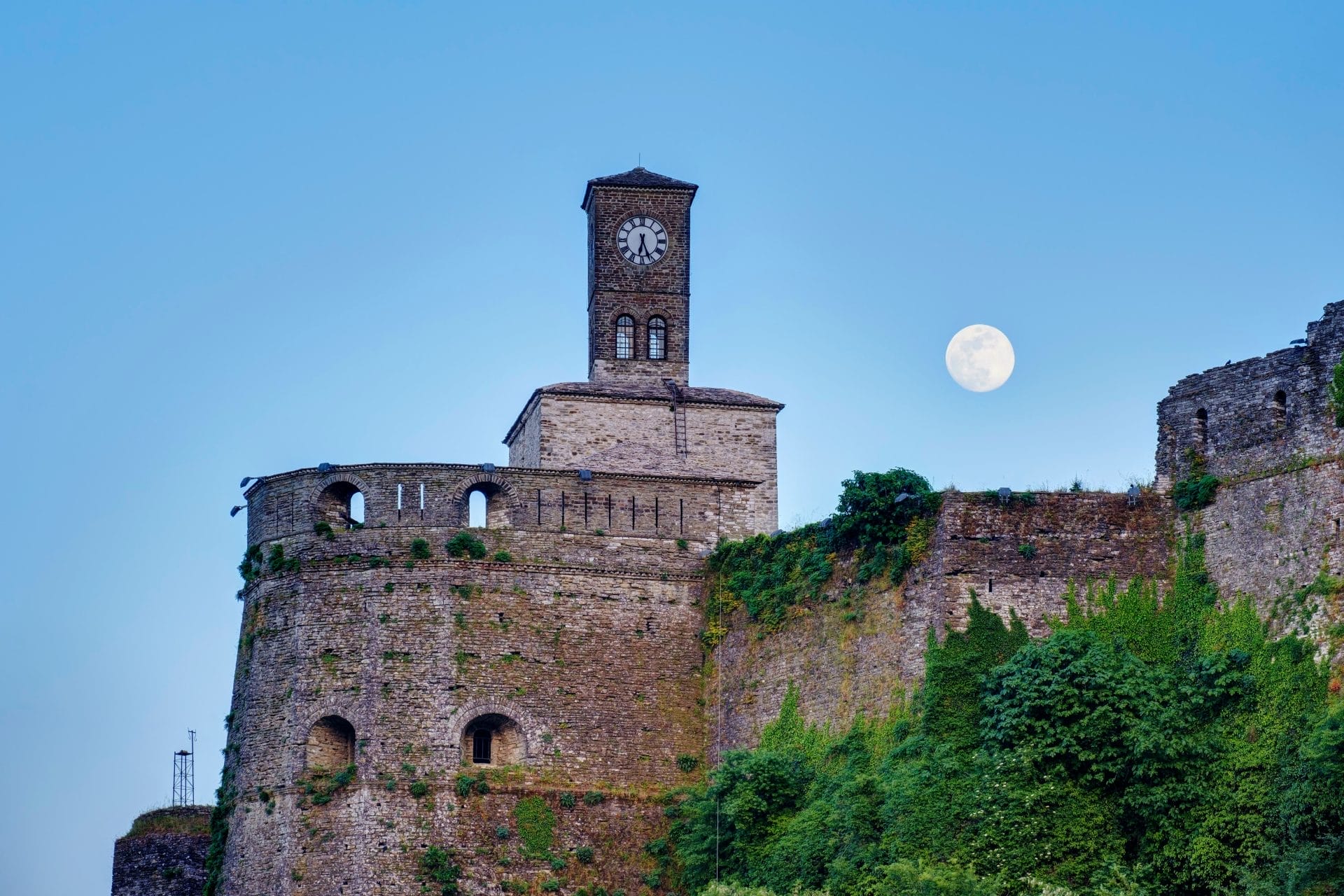
Highlights and Exhibits: The castle houses a military museum that showcases a collection of armaments and narrates the history of warfare in Albania. Visitors can explore various sections of the castle, including the clock tower, the stage of the National Folk Festival, and the prison cells used during the communist regime. The castle offers a panoramic view of the Gjirokastër city and the surrounding mountains.
Location: Gjirokastër, Albania
Martyrs Museum And War Relics Hall
This museum is dedicated to the martyrs and heroes who fought for Albania’s freedom and independence. It houses a significant collection of war relics and artifacts that narrate the story of Albania’s struggle and resistance during various conflicts.
Highlights and Exhibits: The museum showcases a vast collection of war relics, including weapons, uniforms, and personal belongings of the martyrs. It also features photographs and documents that narrate the history of Albania’s resistance and struggle during the wars. Visitors can learn about the brave individuals who sacrificed their lives for the country’s freedom.
Location: The location and details of this museum are not clearly mentioned in the available resources. It might require further research to provide accurate details.
Specialty Museums
Venice Art Mask Factory
This unique museum showcases the art of mask-making, a tradition rooted in the Venetian carnival. Visitors can explore various artistic masks, each crafted with meticulous detail.
Highlights and Exhibits: The museum offers a rich collection of handcrafted masks, ranging from traditional Venetian designs to more contemporary and artistic creations. Visitors can witness the craftsmanship that goes into creating these pieces of art.
Location: Shkodër, Albania
National Education Museum
This museum is dedicated to the history of education in Albania. It showcases the country’s education system’s evolution from the Ottoman period to today.
Highlights and Exhibits: The museum features a rich collection of documents, photographs, and artifacts that narrate Albania’s educational history. It offers insights into the development of educational institutions, teaching methods, and the role of education in nation-building.
Location: Korçë, Albania
Museum of Oriental Art “Bratko”
Founded by an Albanian diplomat, this museum houses a rich collection of Asian art. It showcases a variety of artifacts from countries like Japan, China, India, and Indonesia.
Highlights and Exhibits: The museum’s collection includes various objects such as porcelain, textiles, sculptures, and paintings. It offers a glimpse into the rich and diverse cultures of Asia.
Location: Korçë, Albania