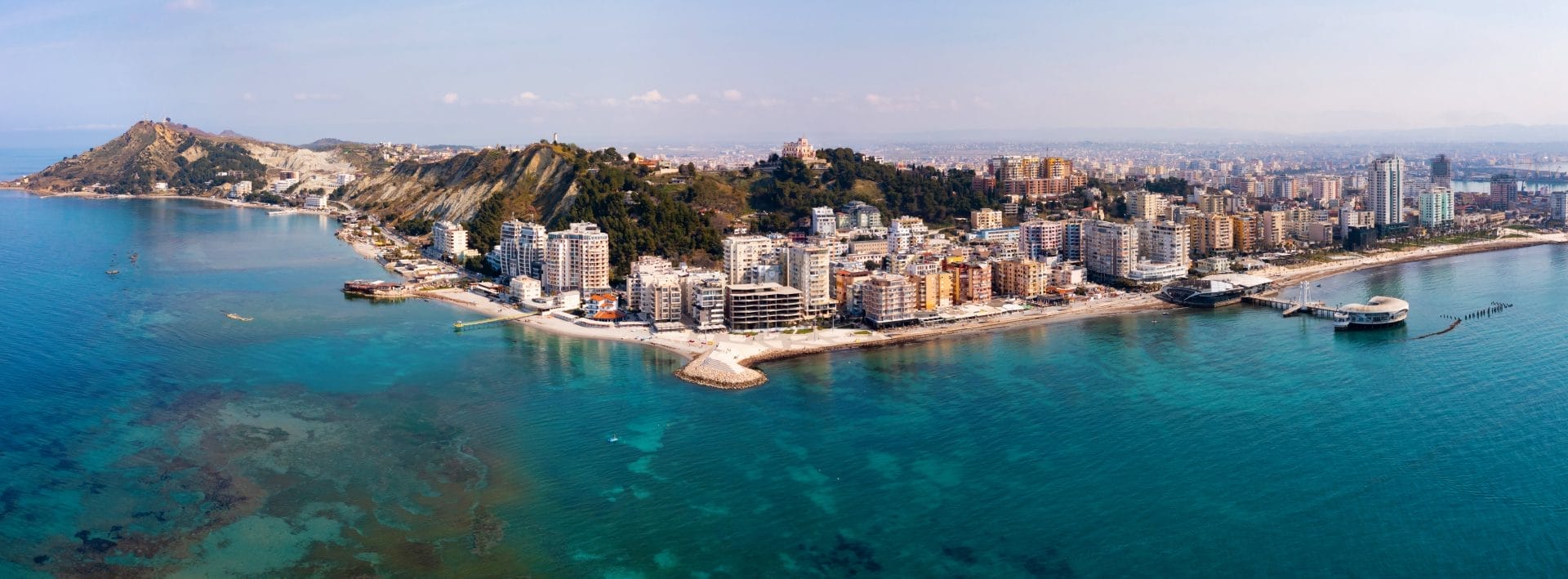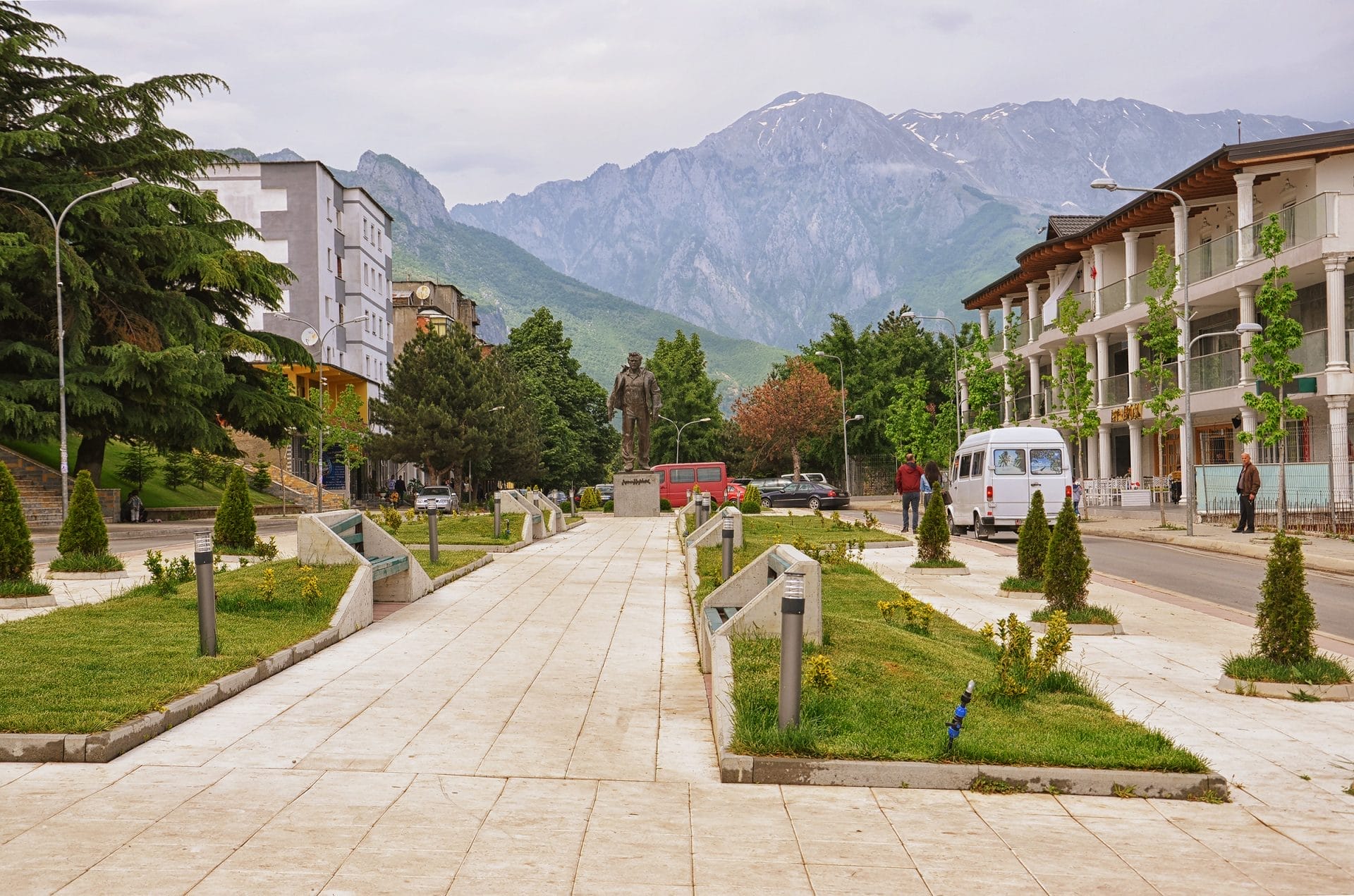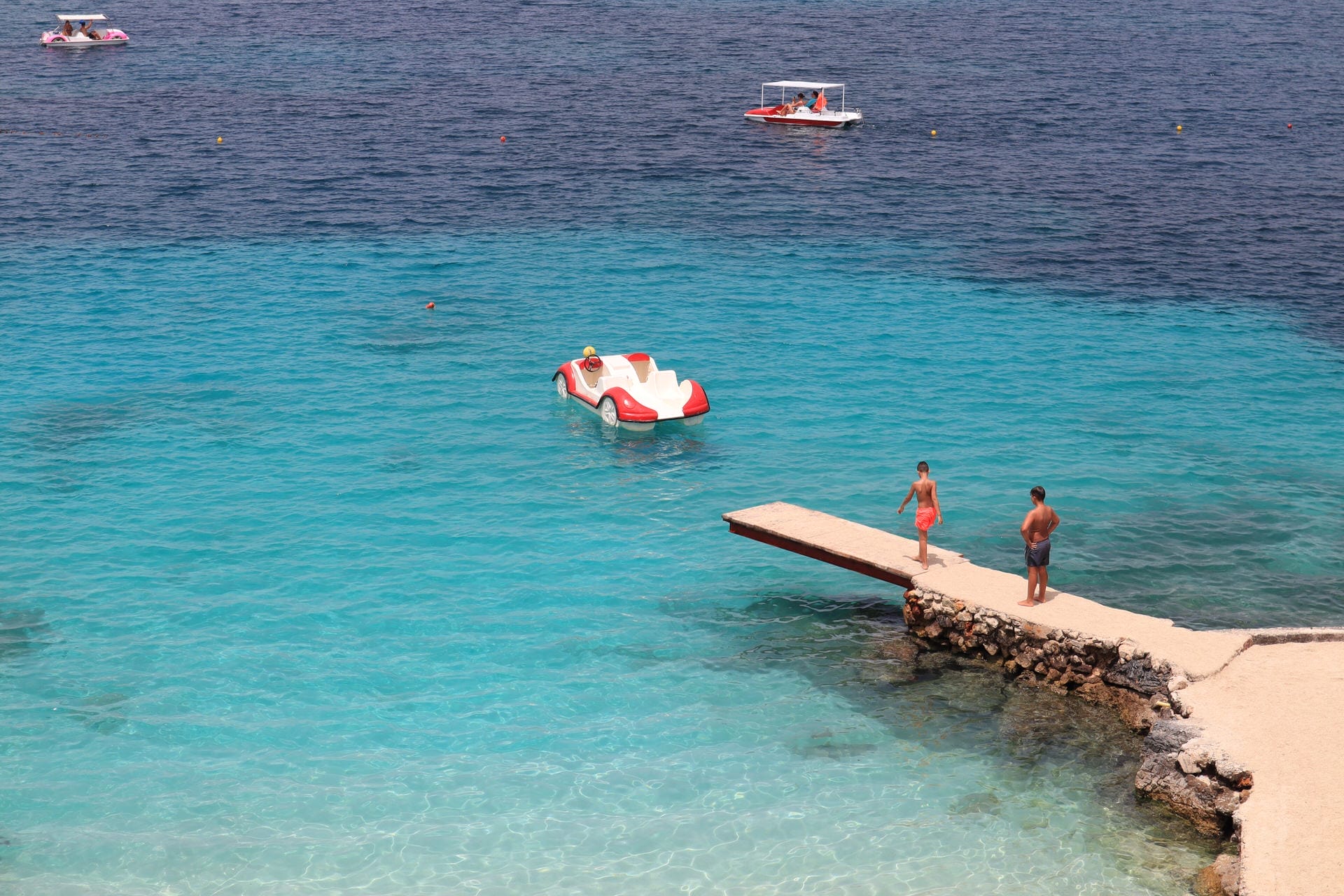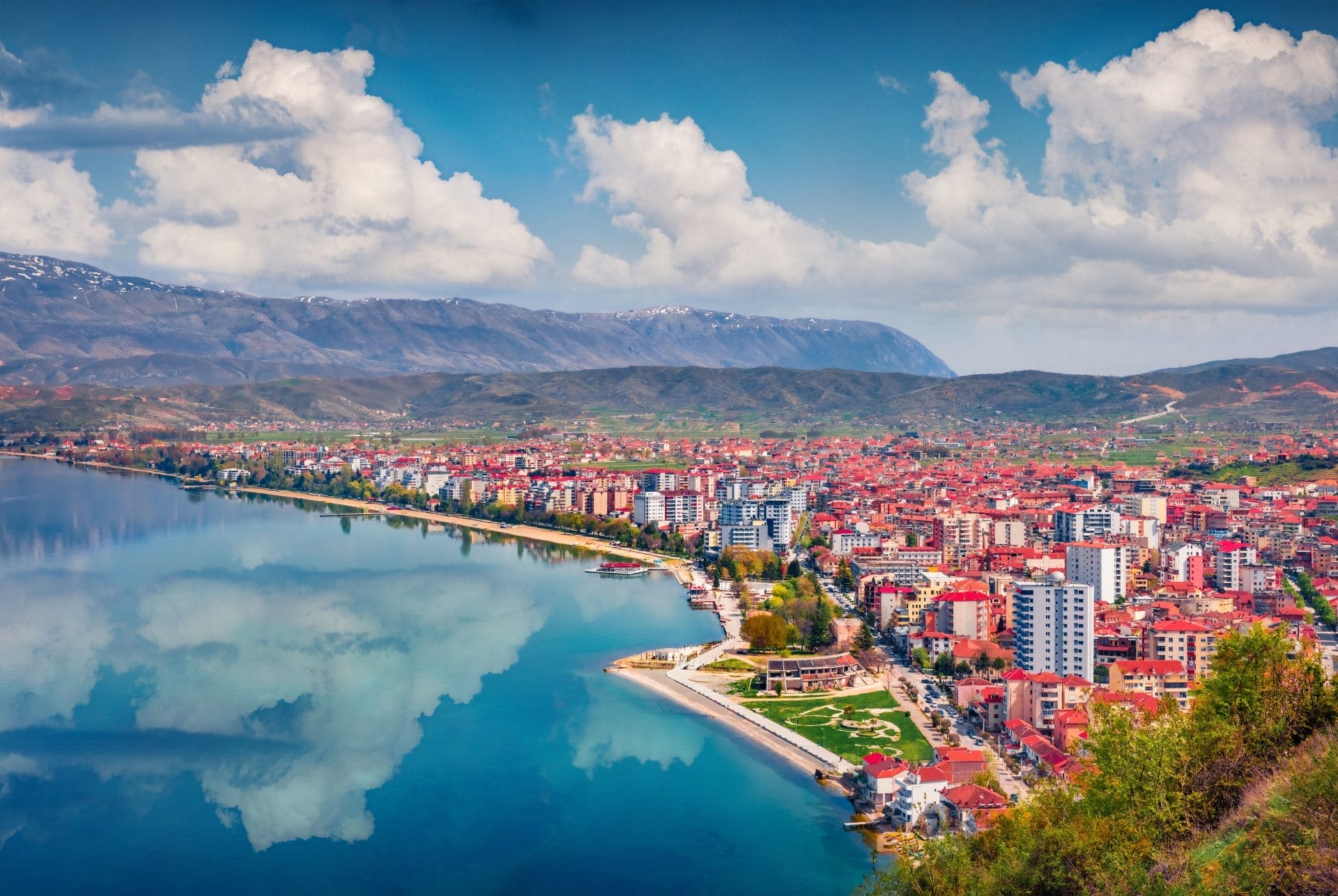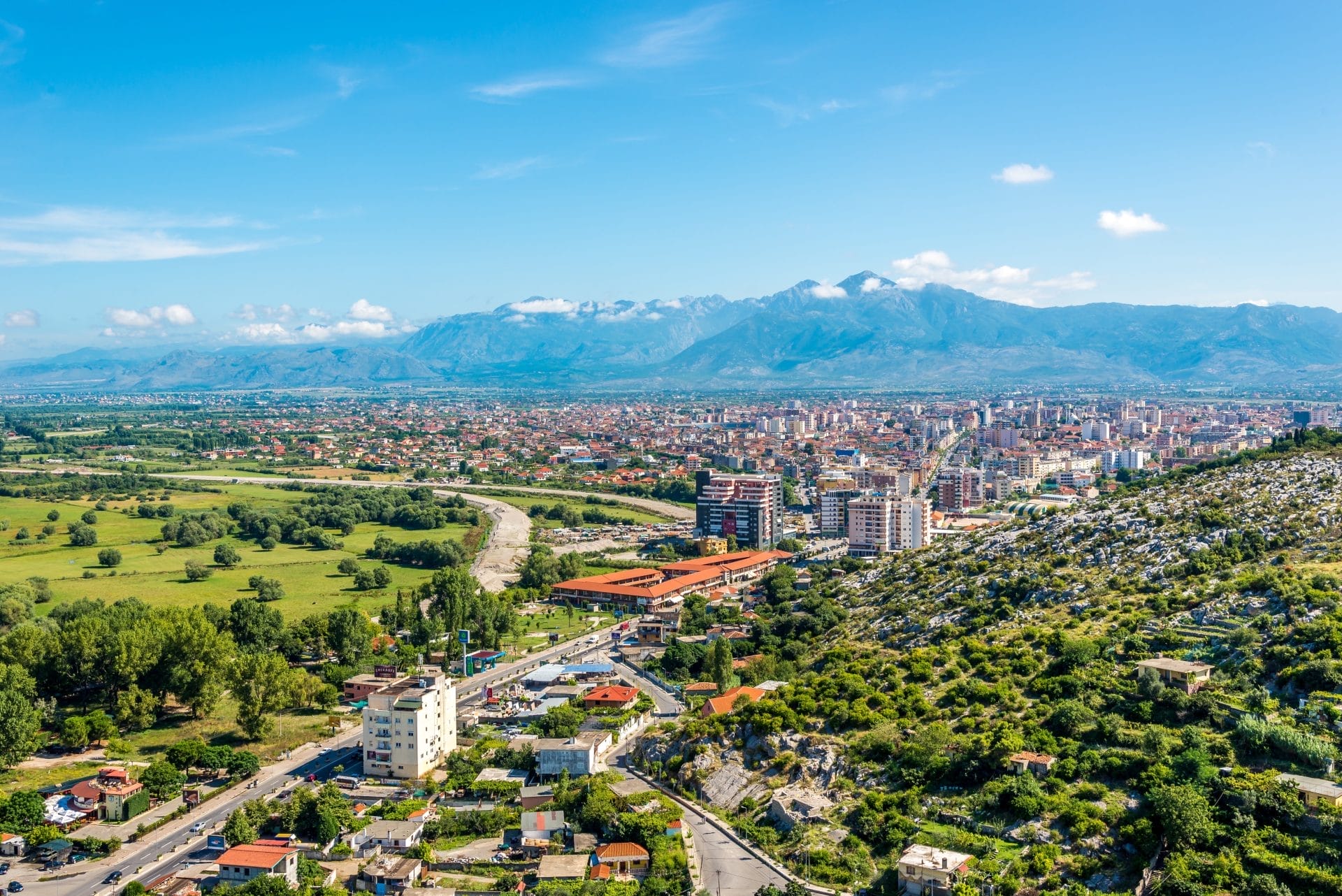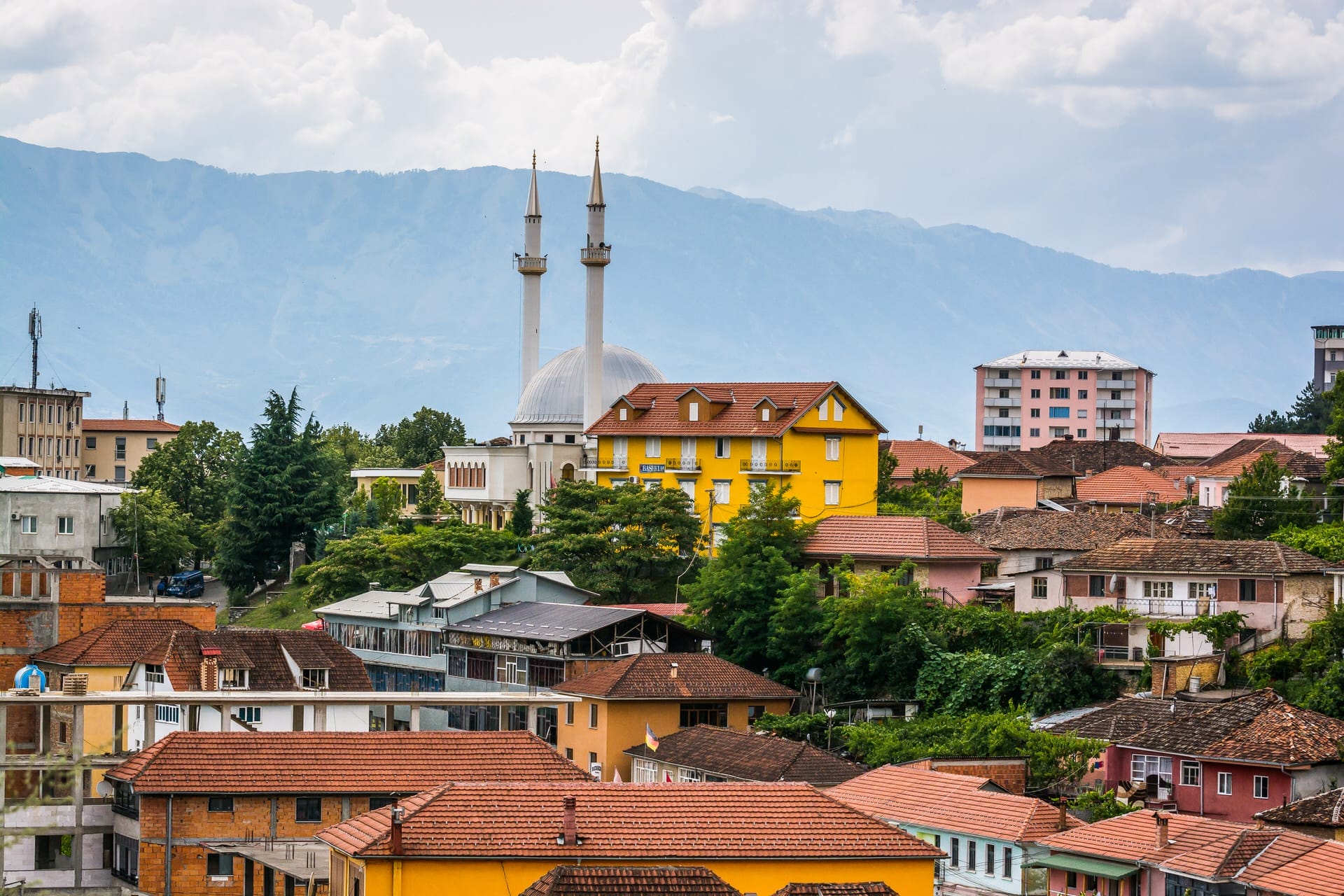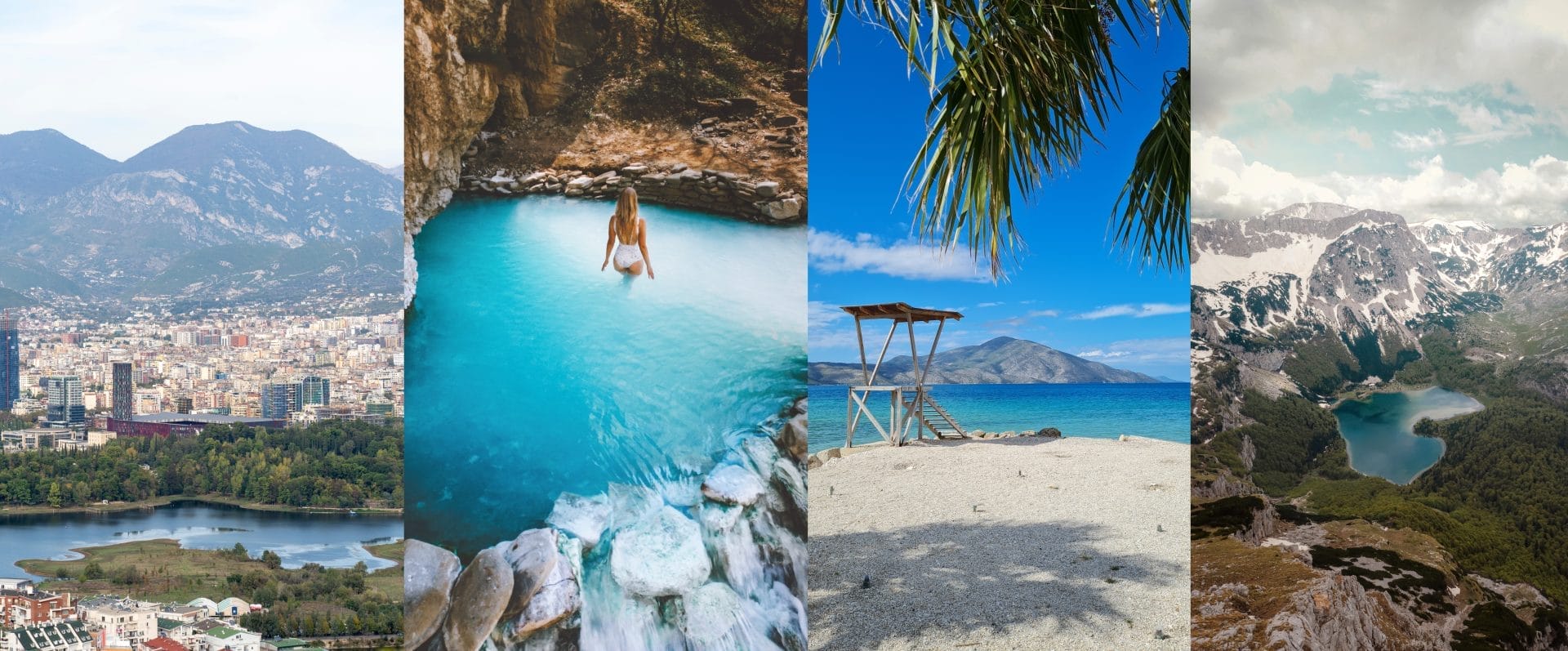
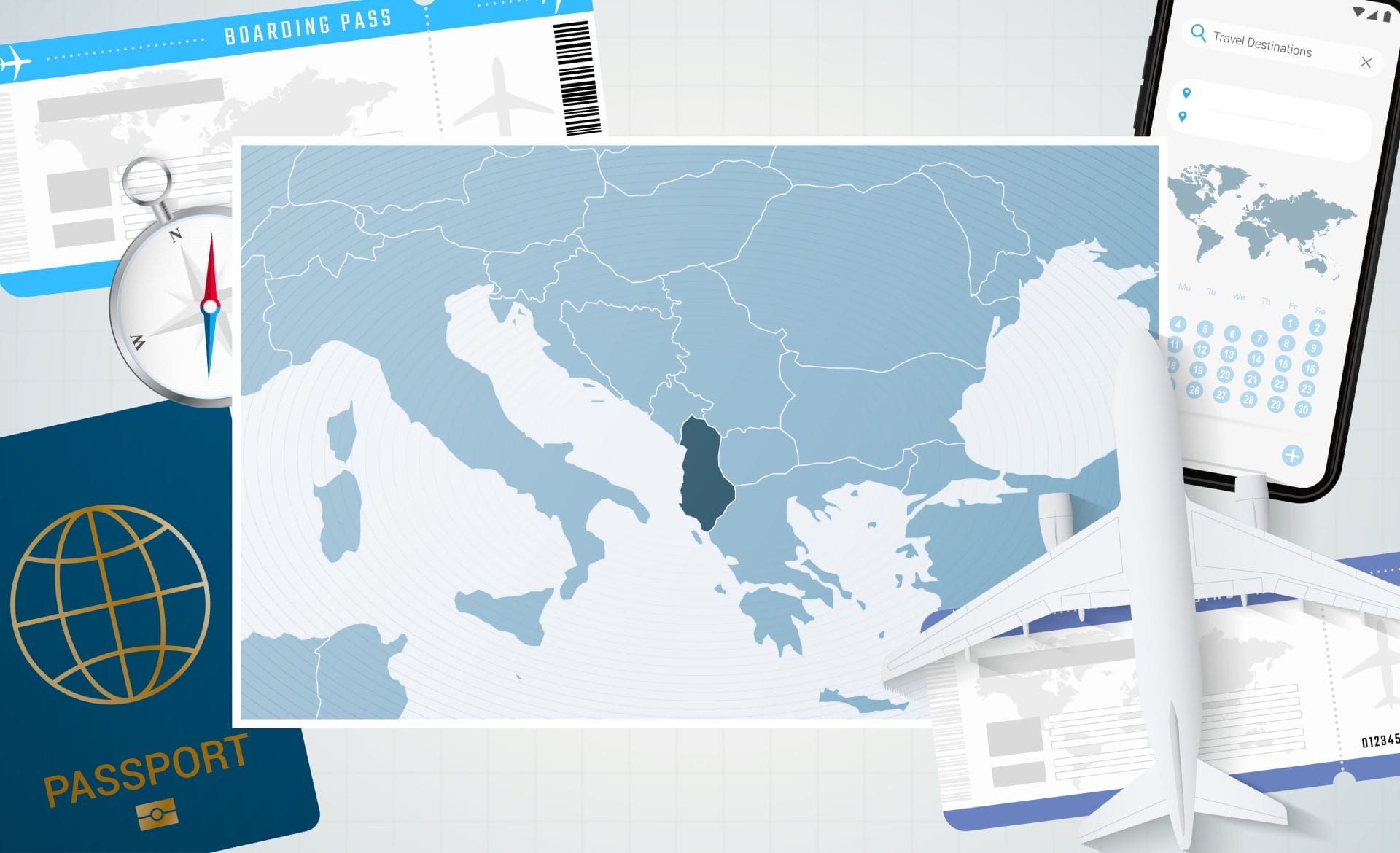
Sailing in Albania offers a unique and exciting adventure for both beginners and experienced sailors. With its stunning coastline, crystal-clear waters, and charming coastal towns, Albania is becoming an increasingly popular choice for sailing enthusiasts.
Preview
- Sailing in Albania
- Preparing for Your Albanian Sailing Adventure
- Safety Measures for Sailing in Albania
- Weather Conditions Throughout the Year
- Sailing Conditions and Regulations
- Top Sailing Destinations in Albania
- Exploring the Ionian Sea
- Must-Visit Islands and Beaches
- Understanding Albanian Sailing Regulations
- Required Permits and Licenses
- Key Marinas and Ports
- Navigational Challenges
- Local Maritime Laws
- Set Sail In Albania
Sailing in Albania
When it comes to sailing, Albania has much to offer. From its rich history and culture to its breathtaking natural beauty, this hidden gem of the Adriatic Sea has something for everyone. But why should you choose Albania for your sailing adventure?
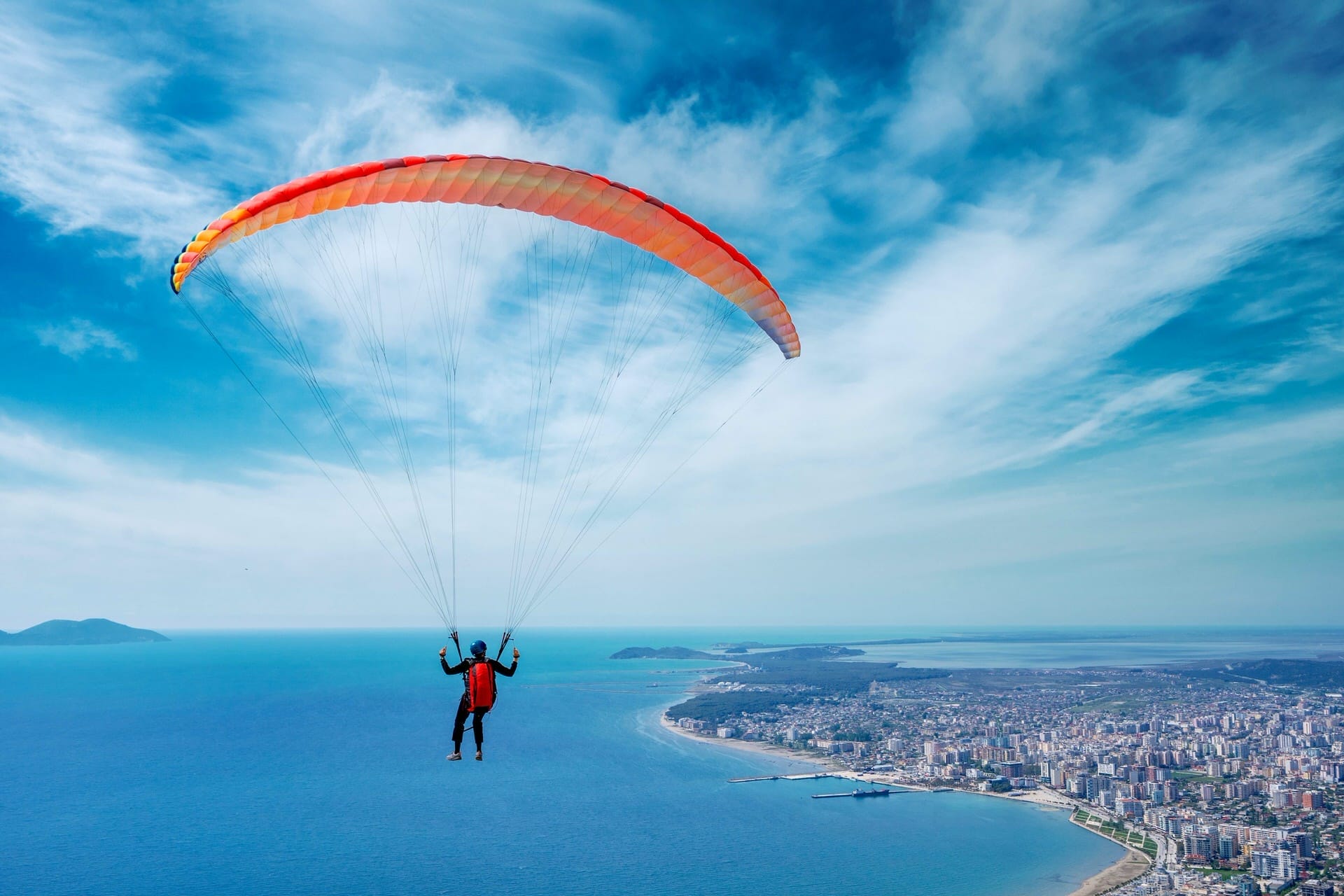
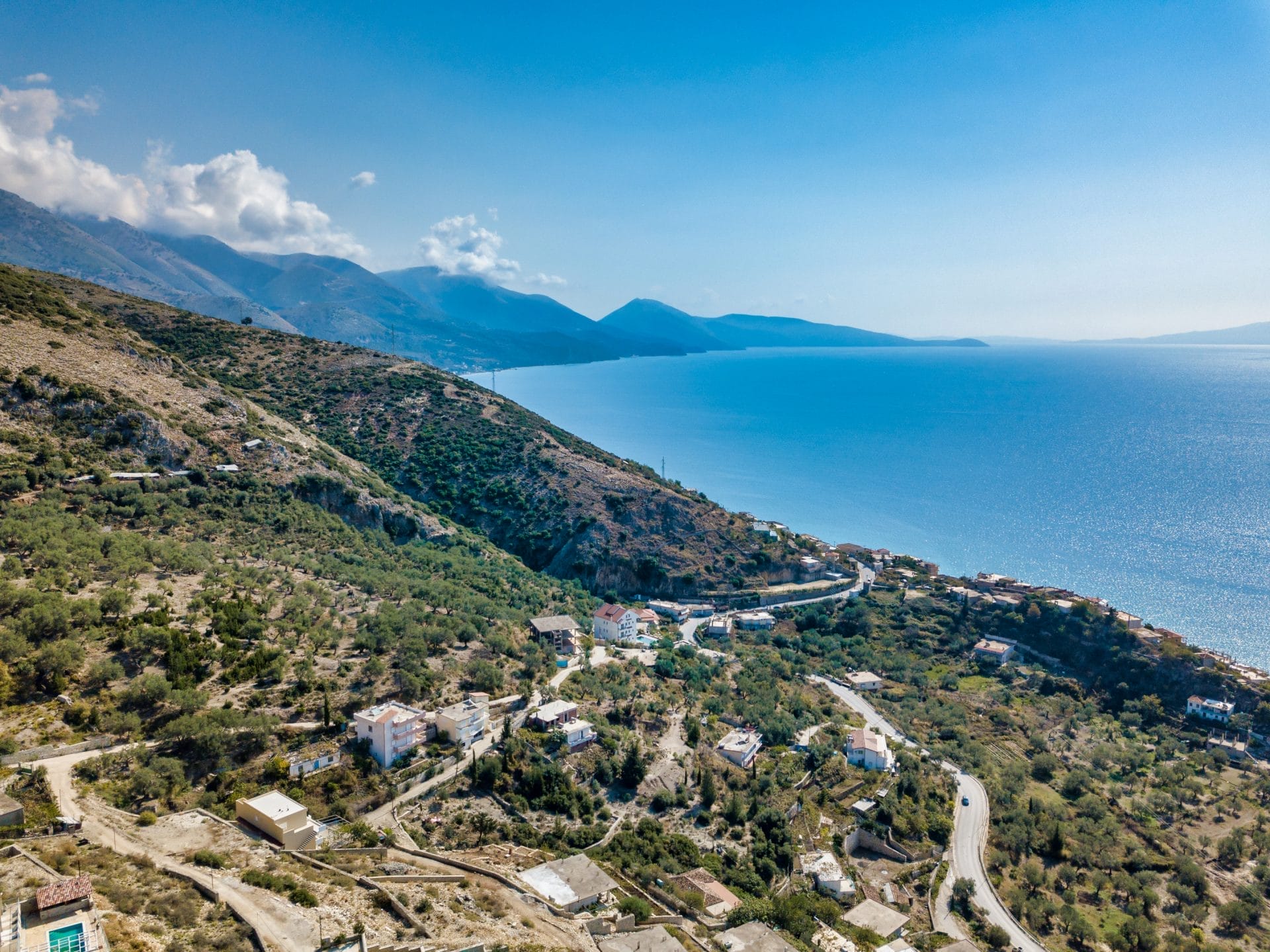
First and foremost, Albania boasts a coastline that stretches over 450 kilometers, offering countless opportunities for exploration and discovery. The country is home to numerous sheltered bays, secluded coves, and picturesque harbors, making it an ideal destination for sailors looking to escape the crowds and enjoy the tranquility of the sea.
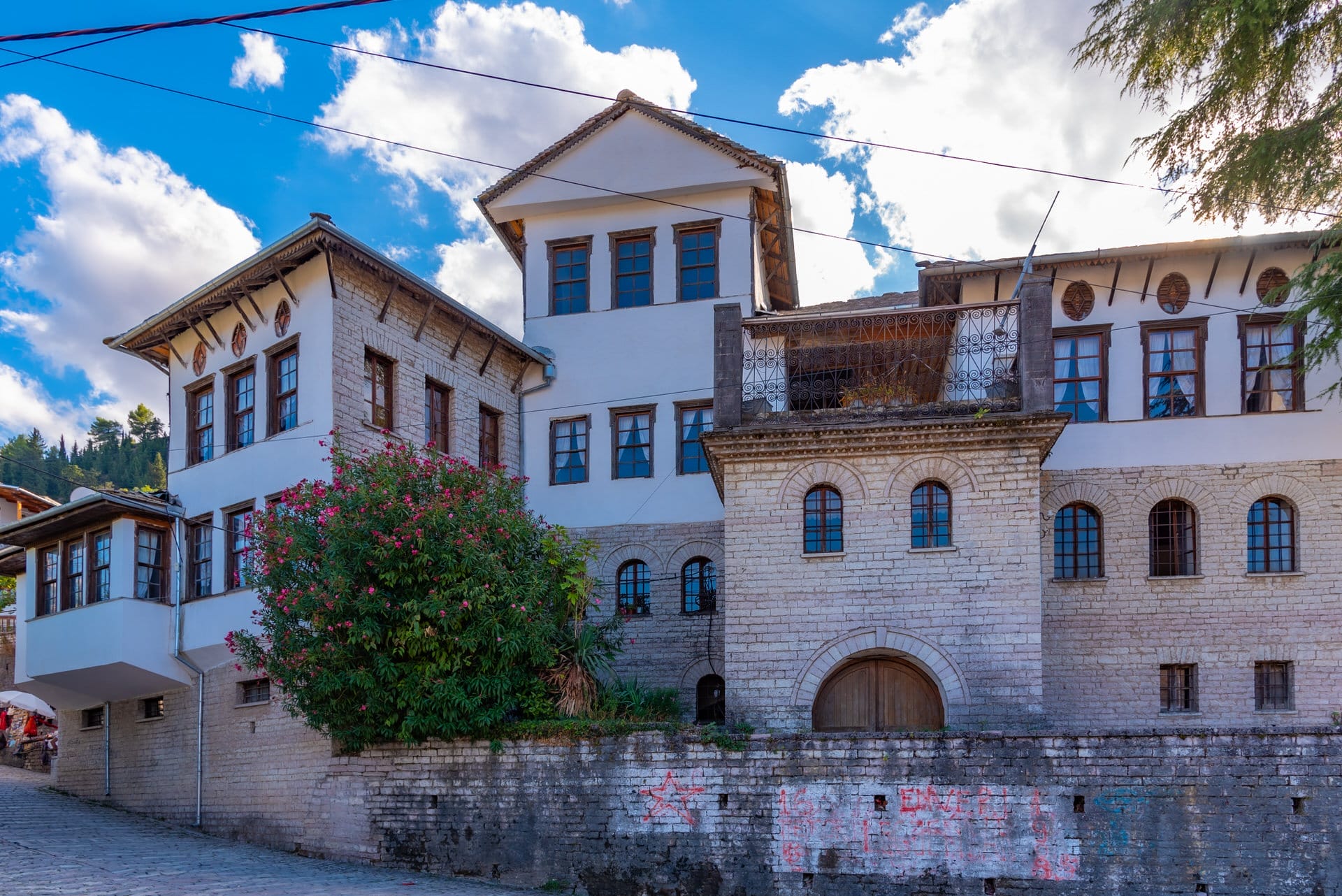
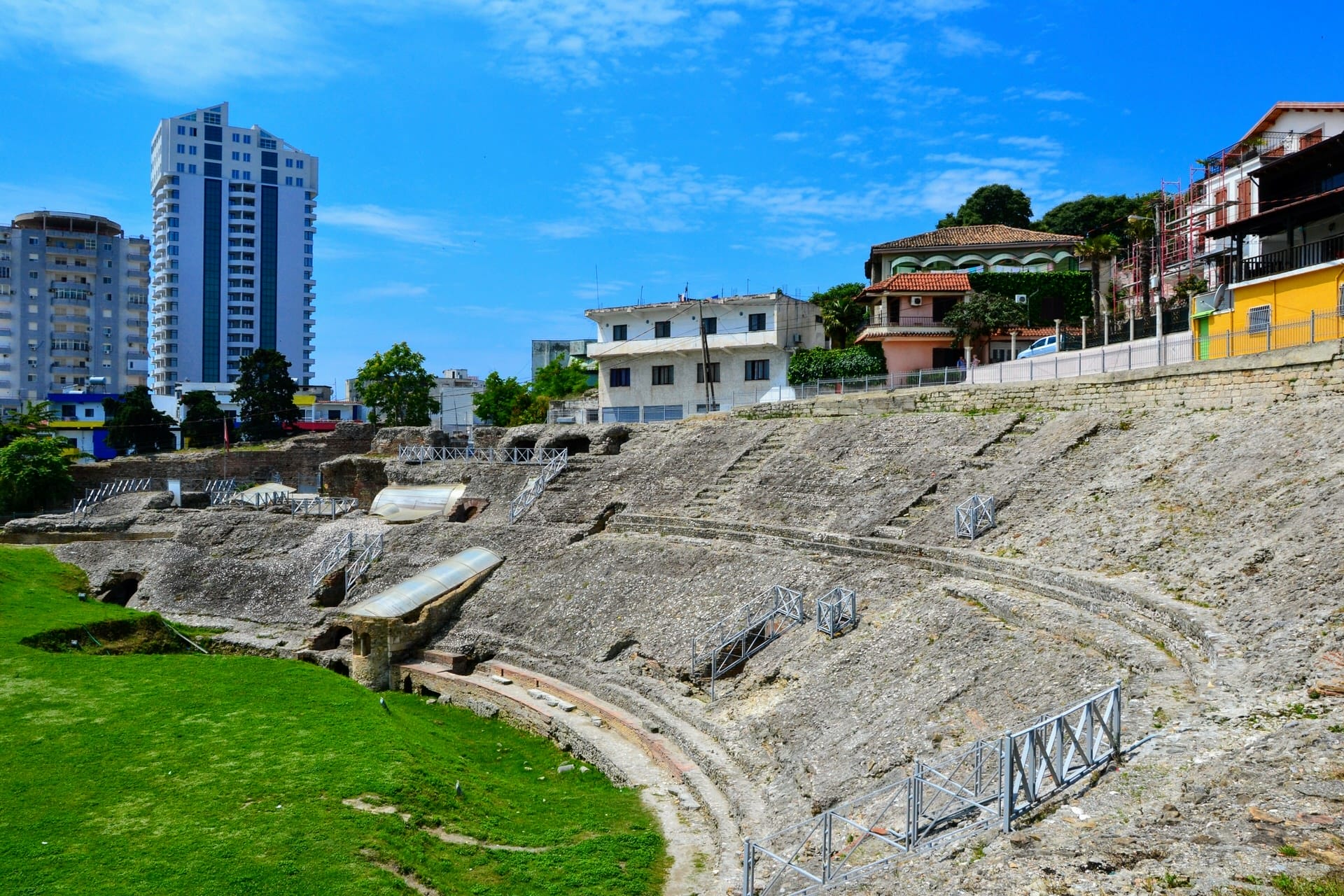
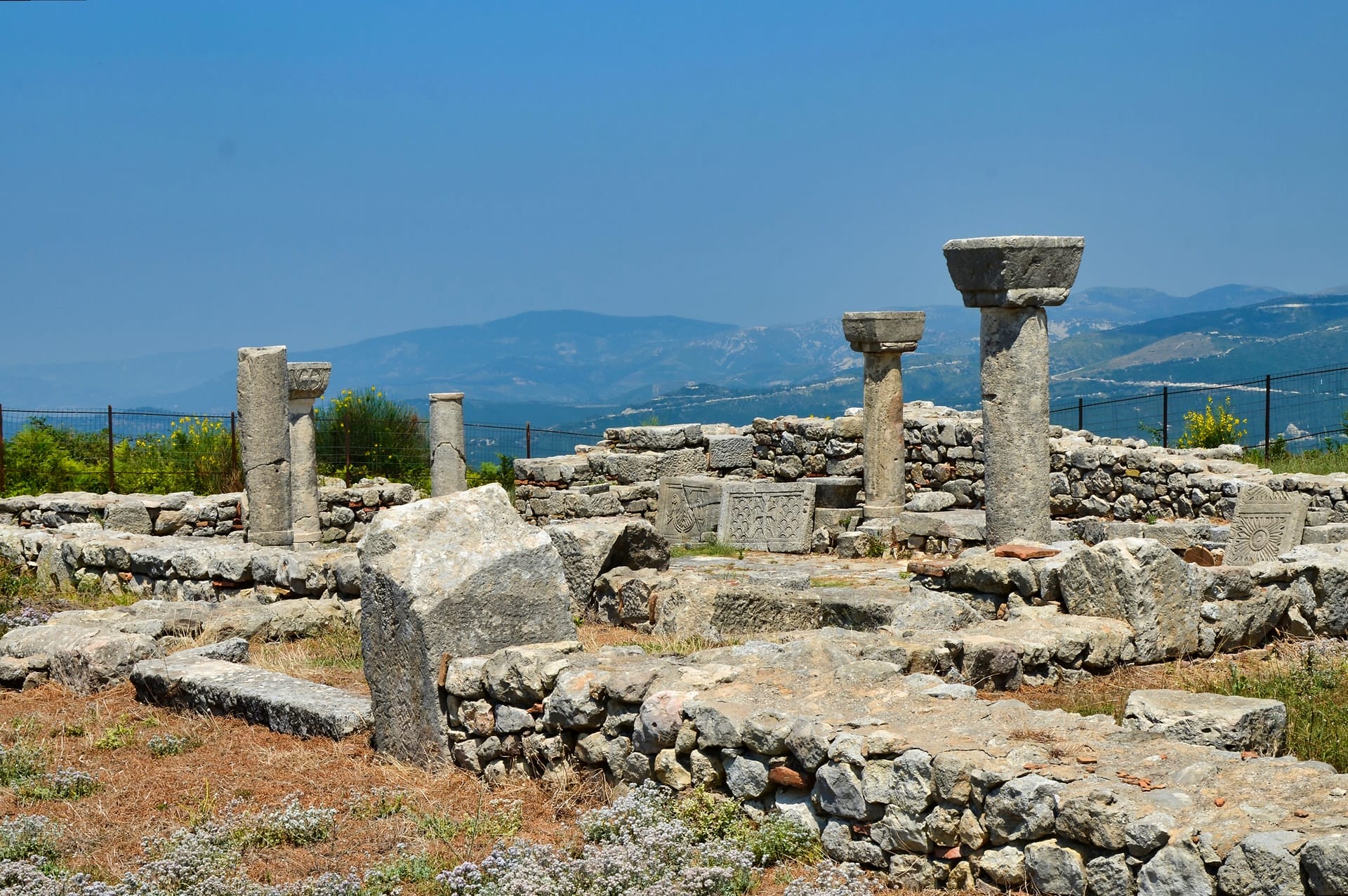
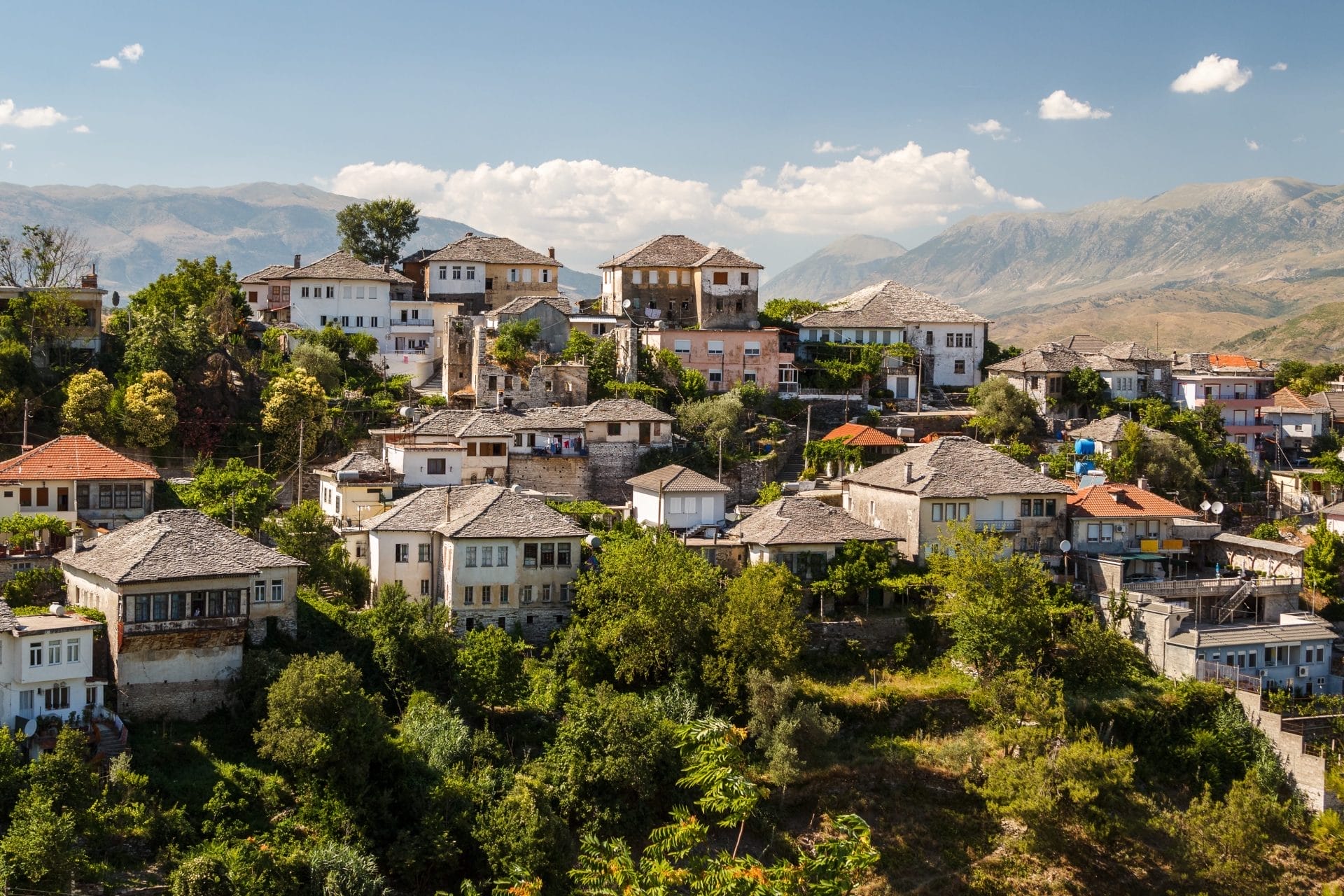
But there’s more to Albania than just its stunning coastline. The country’s history dates back thousands of years and its rich and diverse cultural heritage. As you sail along the Albanian coast, you’ll have the opportunity to visit ancient ruins, medieval castles, and charming coastal towns that have preserved their traditional way of life.
Why Set Sail in Albania?
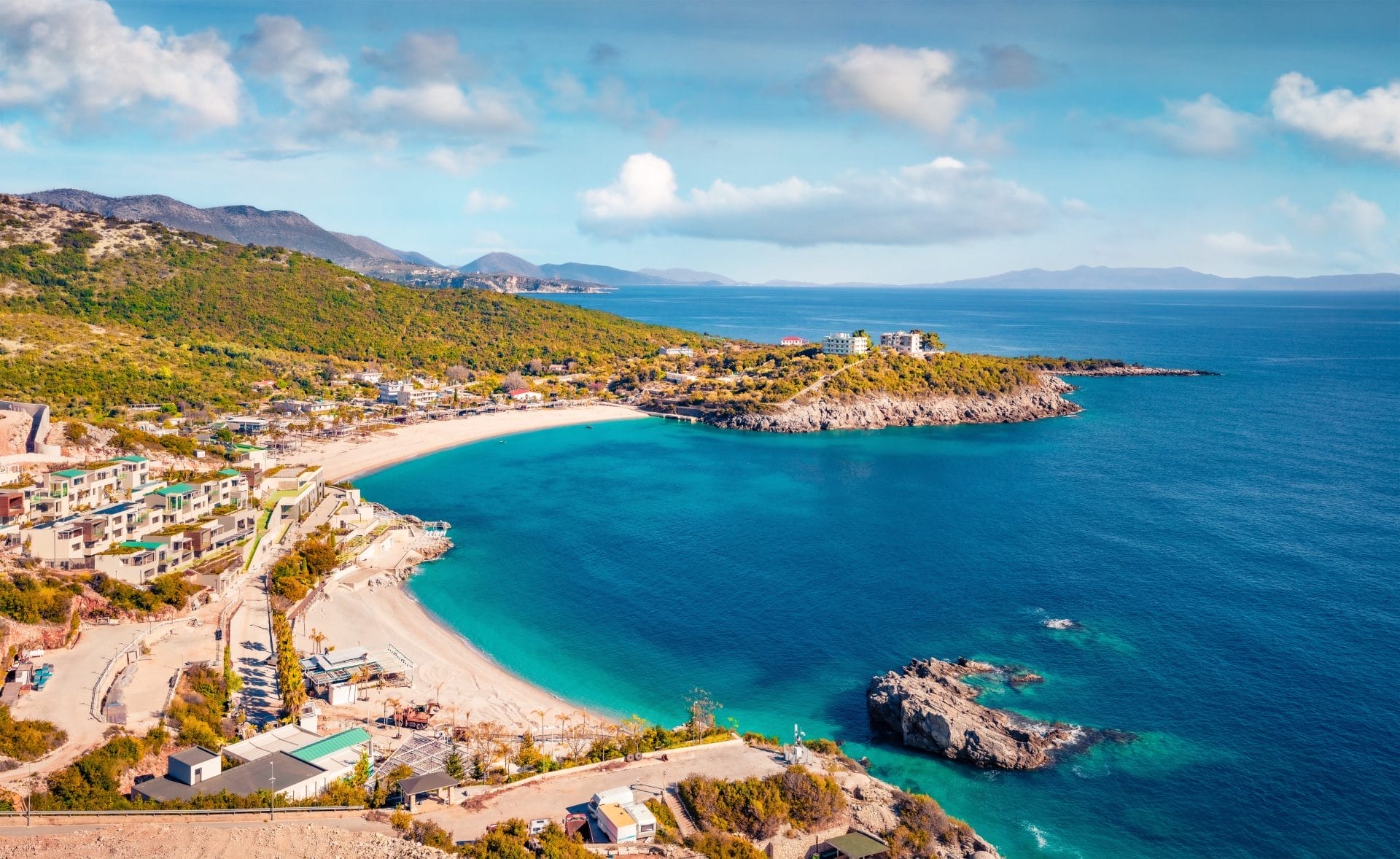
One of the main reasons to choose Albania for sailing is its unspoiled beauty. Unlike other more crowded Mediterranean destinations, Albania’s coastline remains relatively untouched, offering pristine beaches and crystal-clear waters. Whether you want to relax on secluded sandy shores or explore hidden caves and rocky formations, Albania has it all.
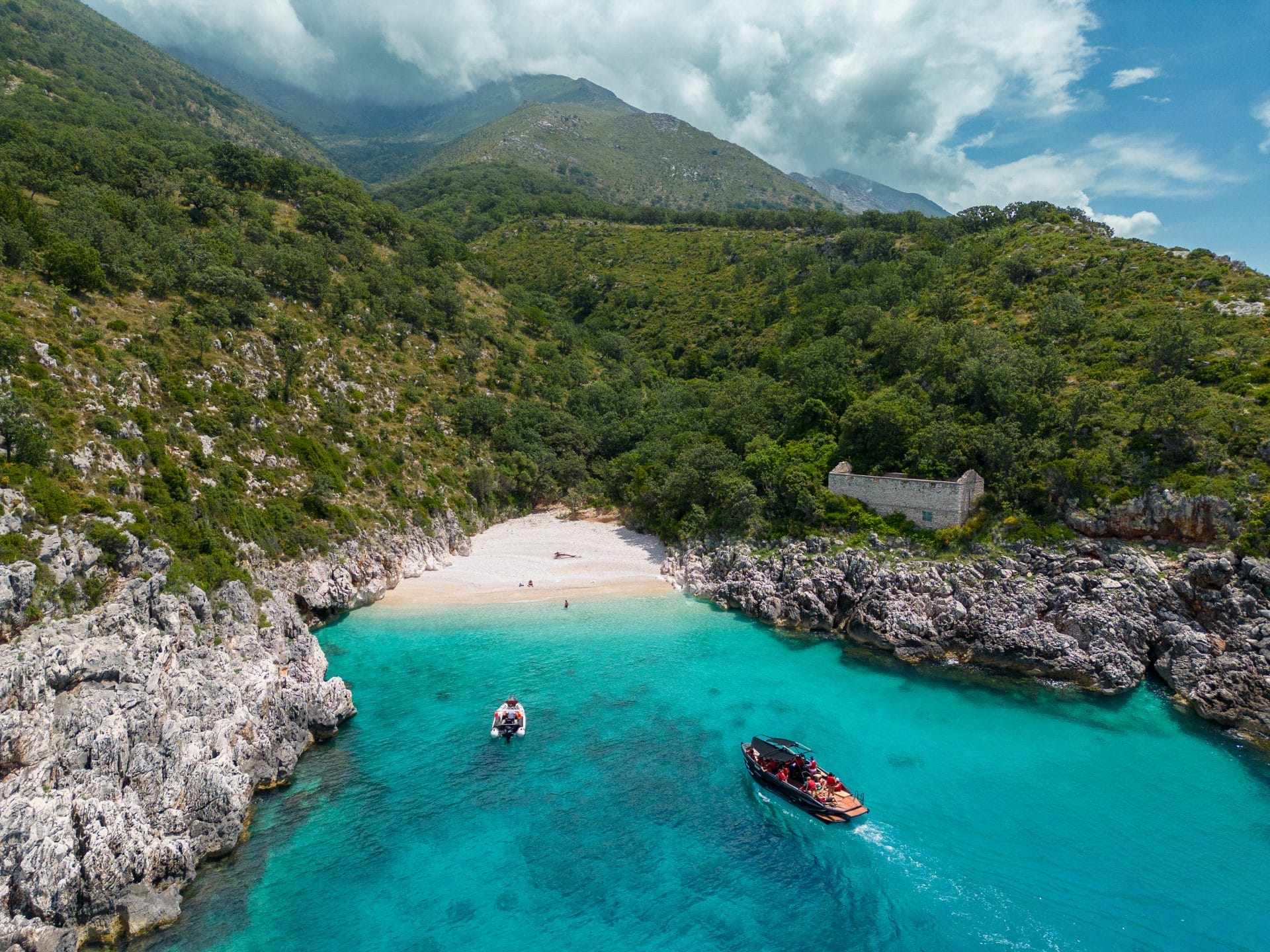
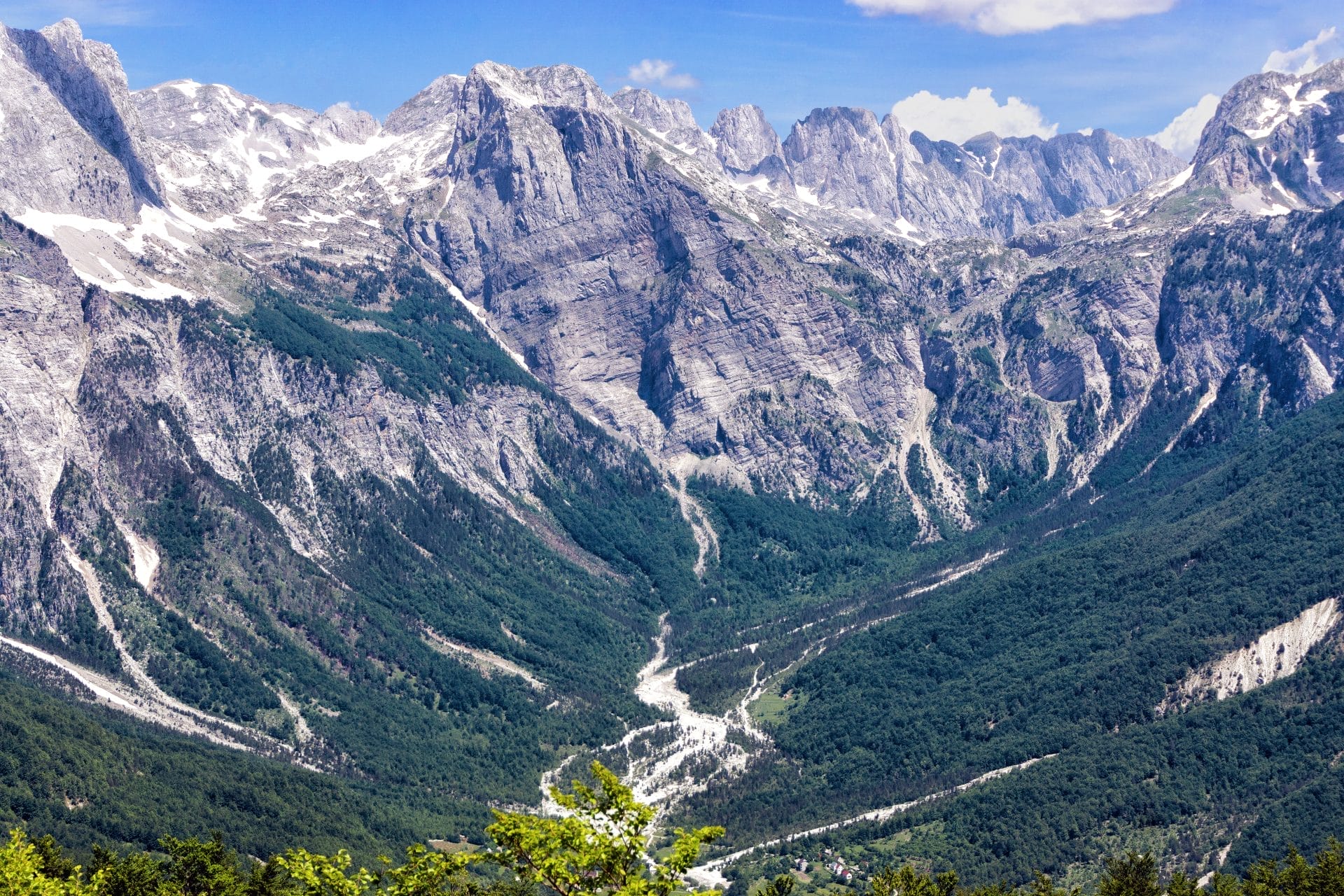
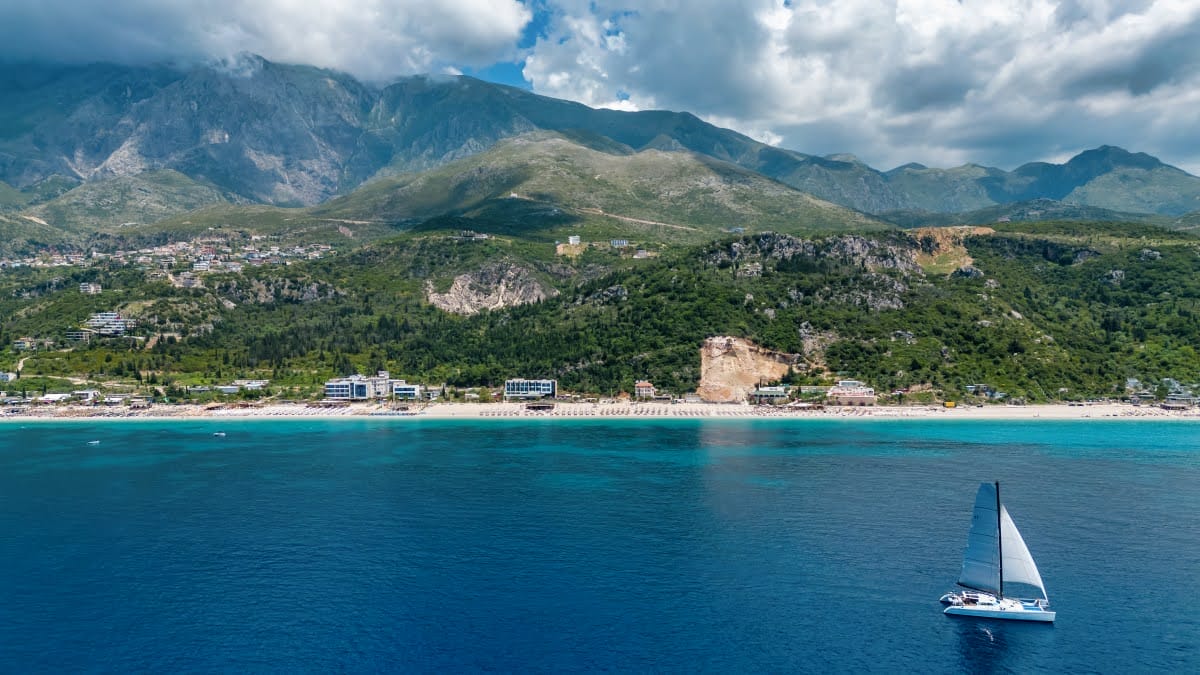
As you sail along the coast, you’ll encounter diverse landscapes. From the rugged cliffs of the Albanian Riviera to the sandy beaches of the Ionian Sea, each stretch of coastline has its unique charm. You can anchor your boat in a quiet bay and take a refreshing swim in the turquoise waters, or you can venture ashore and explore the lush green hills and mountains that provide a stunning backdrop to the coast.
Understanding the Albanian Coastline
Albania’s coastline is divided into two main regions: the Ionian Sea in the south and the Adriatic Sea in the north. The Ionian Sea is known for its calm and warm waters, perfect for leisurely sailing and swimming. On the other hand, the Adriatic Sea offers a more challenging sailing experience, with stronger winds and rougher seas.
The Ionian Sea is the perfect choice if you’re a beginner sailor or prefer a more relaxed sailing experience. Its calm waters provide a smooth sailing experience, and you can easily hop from one charming coastal town to another, experiencing the warm hospitality of the locals and indulging in delicious seafood dishes.
The Adriatic Sea offers plenty of excitement for those seeking a more adventurous sailing experience. The winds can be stronger, providing an exhilarating challenge for experienced sailors. You can navigate through the waves and explore the rugged coastline, discovering hidden caves and remote beaches only accessible by boat.
Both regions offer unique charms, and the choice ultimately depends on your sailing preferences and experience level. No matter which coast you choose, you can expect breathtaking scenery, friendly locals, and plenty of opportunities to explore historic sites and charming coastal towns.
So, whether you’re a seasoned sailor or a novice looking to embark on your first sailing adventure, Albania is a destination that should not be overlooked. Its pristine coastline, rich history, and warm hospitality make it the perfect place to set sail and create unforgettable memories.
Preparing for Your Albanian Sailing Adventure
Before embarking on your sailing journey in Albania, it’s important to ensure that you have all the necessary equipment and knowledge to make your trip safe and enjoyable.
Safety Measures for Sailing in Albania
While sailing in Albania can be a rewarding experience, it’s important always to remember safety. Before setting sail, familiarize yourself with the local maritime laws and regulations. Always check the weather forecast and be prepared to adjust your plans accordingly.
It’s also essential to have a backup plan in case of emergencies. Ensure you have the contact information for local authorities and marinas, and inform someone on shore of your itinerary and expected return time. Lastly, always practice responsible boating and respect the marine environment by avoiding pollution and protecting marine life.
Weather Conditions Throughout the Year
Albania enjoys a Mediterranean climate with hot and dry summers and mild winters. The spring and autumn months offer pleasant temperatures, ideal for sailing, while the summer can be hot and crowded with tourists. It’s important to note that the weather can be unpredictable, so always stay updated on the latest forecasts.
Sailing Conditions and Regulations
The sailing season in Albania runs mainly from May to October, with July and August being the busiest months. The Ionian Sea on the southern coast offers more challenging sailing conditions and stronger winds, ideal for experienced sailors. It’s crucial to be aware of the local sailing regulations. While Albania welcomes sailors, proper documentation and adherence to customs procedures are imperative for a smooth journey.
Top Sailing Destinations in Albania
Albania offers diverse sailing destinations, each with unique charm and attractions. Whether you prefer exploring picturesque islands or relaxing on sandy beaches, there is something for every sailor in Albania.
Exploring the Ionian Sea
The Ionian Sea is a sailor’s paradise with calm waters and beautiful landscapes. Saranda, a coastal town known for its vibrant nightlife and proximity to the UNESCO World Heritage site, Butrint National Park, is a must-visit destination in this region. Other notable destinations include Ksamil, Himara, and the Ionian Islands of Corfu, Paxos, and Antipaxos, which are just a short sail away.
Must-Visit Islands and Beaches
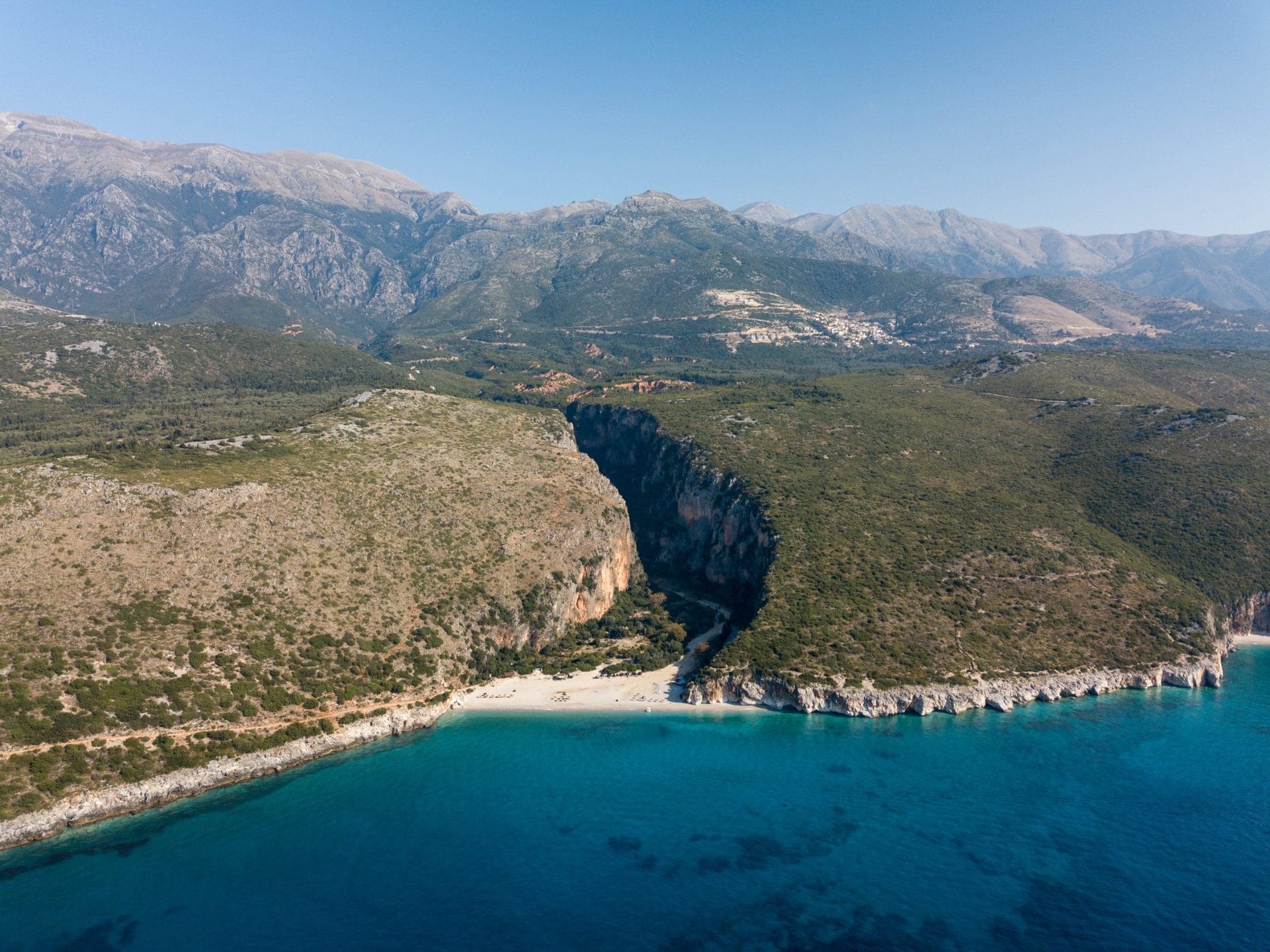
Albania has numerous islands and beaches, perfect for exploring and relaxing. One of the top picks is the secluded beach of Gjipe, accessible only by boat. Ksamil Beach, with its turquoise waters and white sand, is another popular choice. For a touch of history and natural beauty, a visit to the island of Sazan is highly recommended.
Understanding Albanian Sailing Regulations
Before setting sail in Albania, it’s essential to familiarize yourself with the local sailing regulations to ensure a smooth and hassle-free journey.
Required Permits and Licenses
You must obtain the necessary permits and licenses to sail your vessel in Albanian waters. Foreign yachtsmen must complete a customs declaration upon arrival and pay a navigation fee. A valid skipper’s license is also required for sailing boats larger than 24 meters.
Key Marinas and Ports
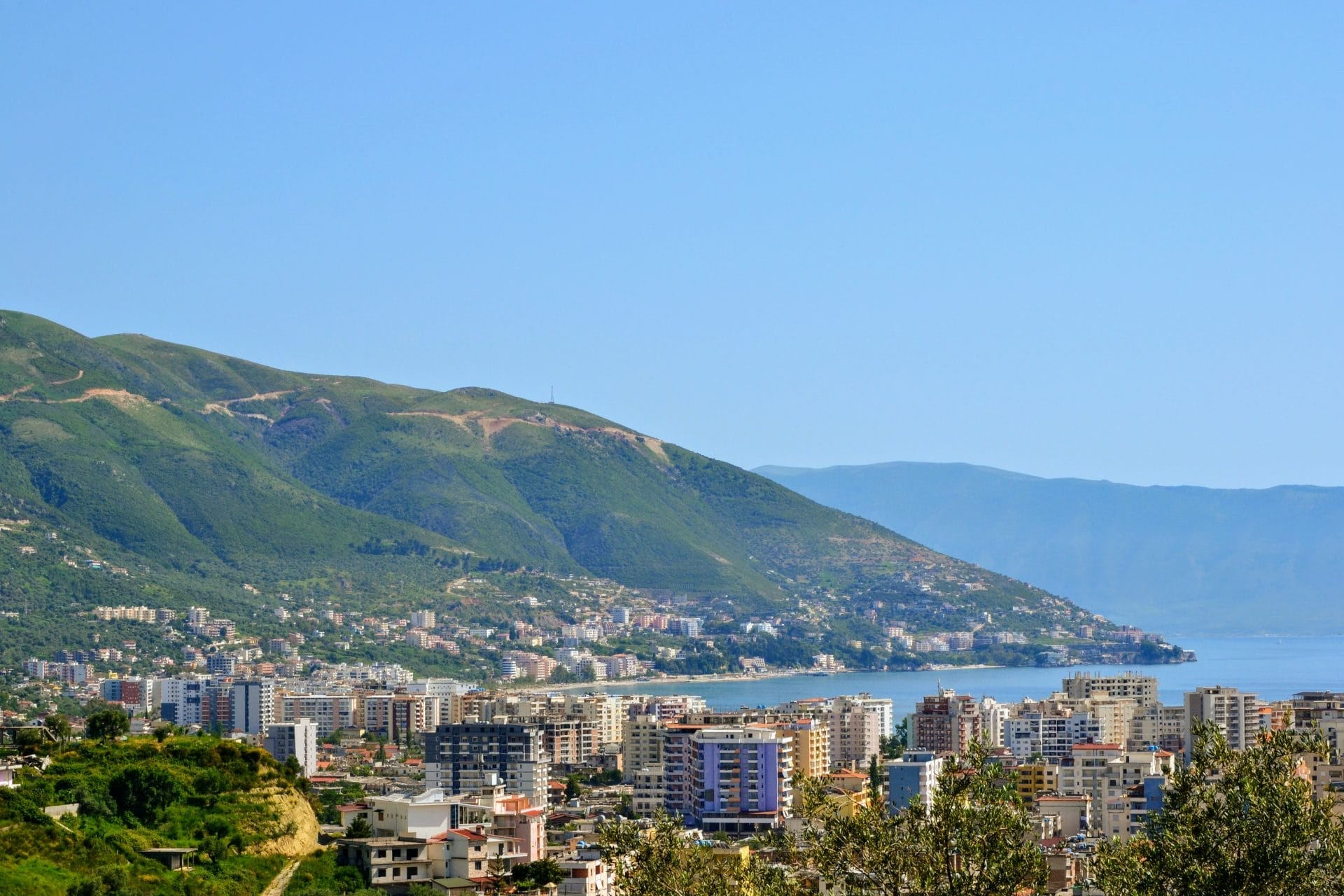
- Marina di Orikum: Located near Vlora, it’s the first and most modern marina in Albania, offering comprehensive services for sailors, including repairs and provisions.
- Port of Saranda: A popular stop for international yachts, Saranda is a gateway to the Albanian Riviera and the nearby Greek islands.
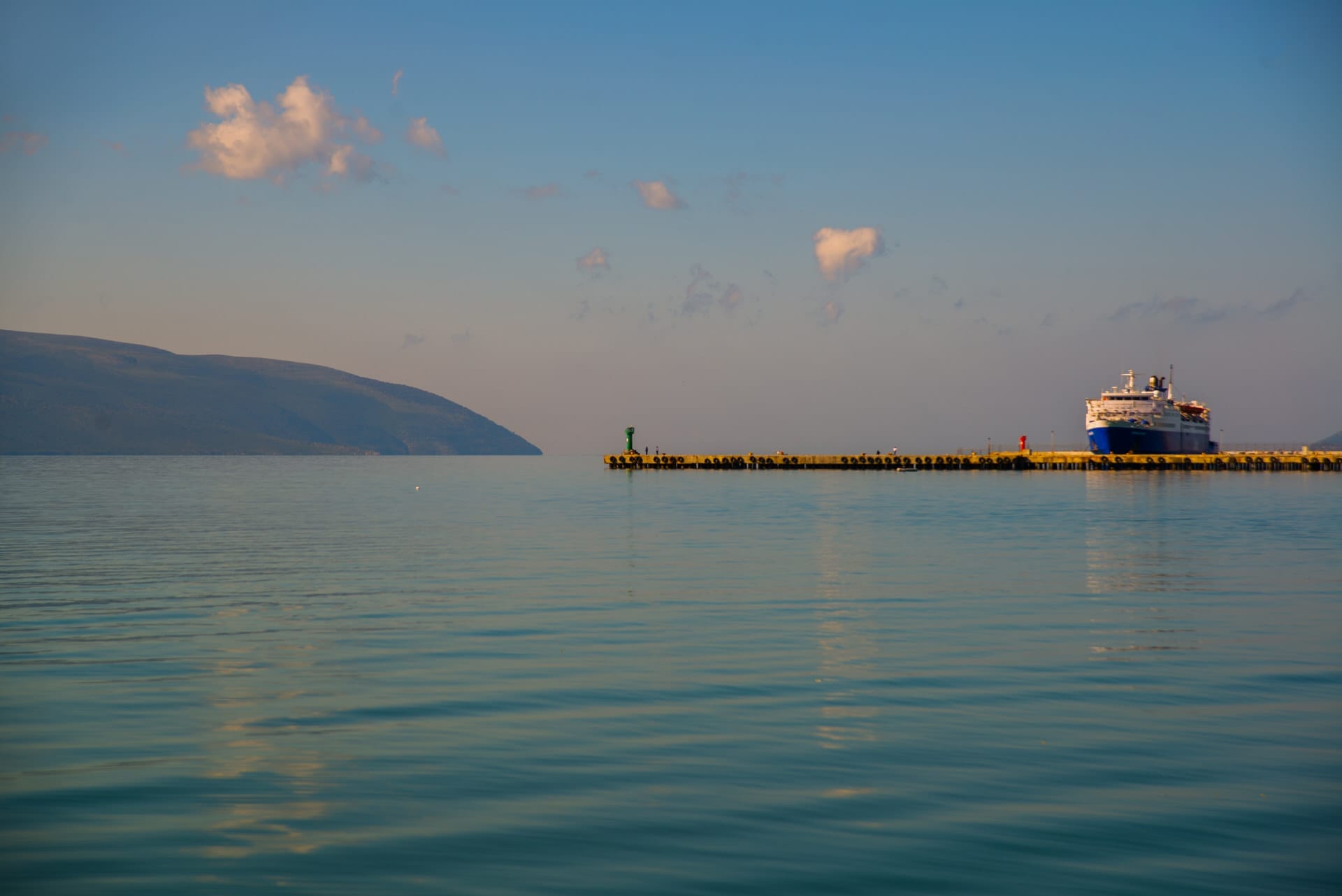
- Port of Durrës: One of the largest ports in the Adriatic, it serves as a good docking point for those interested in exploring the capital city, Tirana, and historical sites around Durrës.
Navigational Challenges
While the allure of secluded coves is tempting, sailors should be aware of the less-charted waters. It’s advisable to have updated nautical charts and possibly a local guide or experienced skipper when venturing into less familiar areas.
Local Maritime Laws
When sailing in Albania, it’s crucial to abide by local maritime laws and regulations. Always respect the speed limits and navigational rules. Remember that diving or fishing without a permit is prohibited in certain areas. By understanding and adhering to these regulations, you can ensure a safe and enjoyable sailing experience for everyone.
Set Sail In Albania
Whether you are a seasoned sailor or a beginner looking for a new adventure, Albania offers a unique and rewarding sailing experience. With its stunning coastline, friendly locals, and rich cultural heritage, this Mediterranean gem awaits exploring. So, hoist the sails, feel the wind on your face, and embark on an unforgettable sailing journey in the enchanting waters of Albania.