
What Travelers Should Know
Read this on the plane so you land ready to act like you belong.
Greetings
Start with a firm handshake and direct eye contact. Let locals set the tone for anything more familiar. Friends and family often do two cheek kisses, but do not initiate that with new acquaintances. Use Mr. or Ms. until you are invited to first names. If you want a formal address in Albanian, use Zoti (/ZOH-tee/) for Mr., Zonja (/ZOHN-yah/) for Mrs., and Zonjushë (/zohn-YOO-shuh/) for Miss. Albanians move to first names quickly once there is rapport.
Yes and no gestures
Most of the time the gestures match what you expect. A nod means yes. A head shake means no. You may see an older person give a quick upward head flick with a small click that means no. When it feels unclear, say it out loud. Ask “po?” (/po/) for yes or “jo?” (/yo/) for no and keep the conversation moving.
Coffee culture
“Hajde, pimë një kafe” (/HAI-deh, PEE-muh nyuh KAH-feh/) translates as “come, let’s grab a coffee,” and it is about time together, not the drink. Plan for fifteen to forty-five minutes of conversation without hurry. If you accept the invite, expect your host to pay. Offer once, accept with a thank you, “Faleminderit” (/fa-leh-min-DEH-rit/), then plan to treat them next time. That rhythm matters more than the bill.
Visiting a home
Pause at the threshold and look for cues. Many homes expect shoes off and will hand you slippers. Bring a small gift such as pastries, chocolate, fruit, or a bottle of wine. Thank the host with a simple “Faleminderit” (/fa-leh-min-DEH-rit/). You will likely be offered seconds. A polite stop is “Mjaft, faleminderit” (/myahft, fa-leh-min-DEH-rit/). Do not wrestle the host over generosity. Reciprocate later with coffee or dessert.
Dining, paying, and tipping
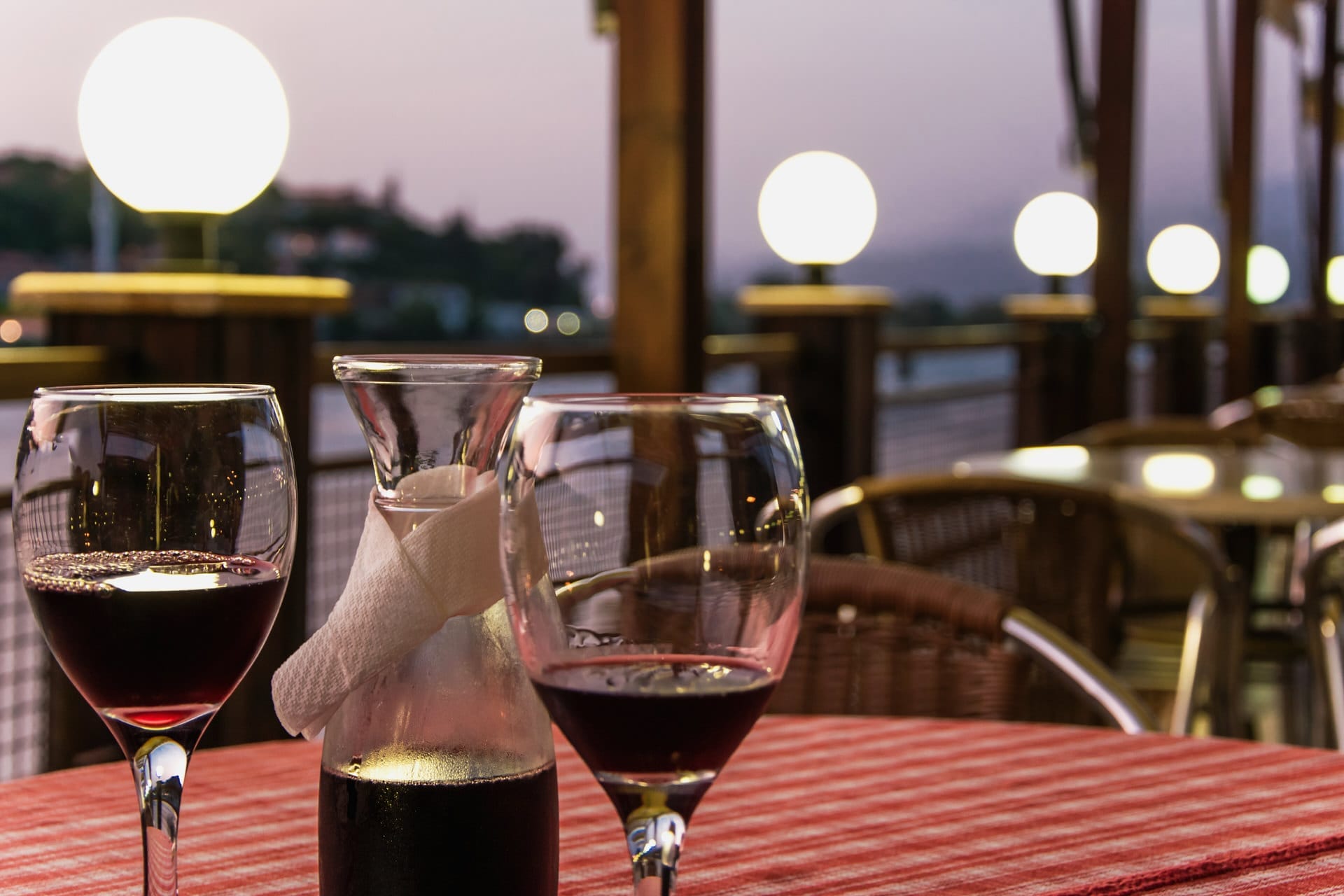
Sharing plates with friends is normal. For toasts, say “Gëzuar” (/guh-ZOO-ar/), make brief eye contact, then sip. If someone invited you, they will probably insist on paying. Offer once, then plan to return the invite. Tipping is not mandatory. Round up in cafés and bars. In restaurants, about ten percent is a fair thank you for attentive service. Cash is common. With taxis, rounding up is typical.
Smoking and public manners
There is an indoor smoking ban, but enforcement varies by city and venue. Ask before lighting up. “A lejohet duhani?” (/ah le-YOH-het doo-HAH-nee?/) is clear and polite. Queueing is better in cities than it used to be. Keep your place and give a bit of space.
Religious sites
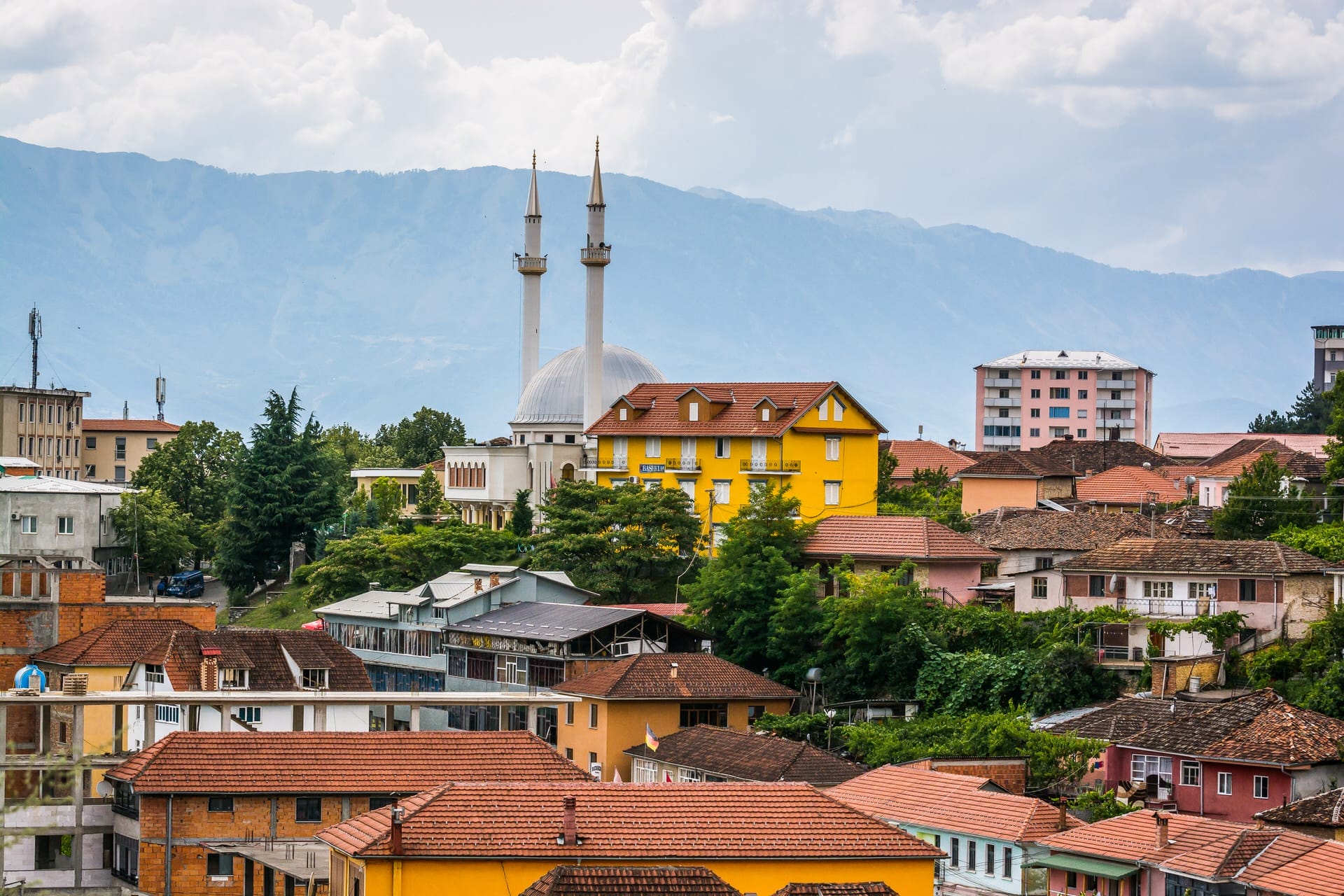
Albania is plural in practice. Mosques, churches, and tekkes often sit close to one another. Dress modestly by covering shoulders and knees. Remove shoes where required. Women may be asked to cover hair in some mosques; carry a light scarf just in case. Be discreet with photos, especially during prayer.
Business etiquette
Be on time and look put-together. Smart casual fits most meetings. Wear a suit for government or formal settings. Expect a few minutes of friendly talk before the agenda. Keep communication direct and courteous, then confirm next steps in writing.
Personal space and conversation
People often stand a little closer than in North America or Northern Europe. Mirror the person in front of you and you will be fine. Conversation is lively and curious. Family, football, food, work, and the day’s news are easy starting points. Politics is common but nuanced. Listen first. Weigh in when you understand the context.
Albanian words and phrases with phonetics
Përshëndetje (/per-shen-DET-ye/) = hello, formal
Mirëdita (/meer-DEE-tah/) = good day
Ju lutem (/yoo LOO-tem/) = please
Faleminderit (/fa-leh-min-DEH-rit/) = thank you
Më falni (/muh FAL-nee/) = sorry or excuse me
po (/po/) = yes
jo (/yo/) = no
Gëzuar (/guh-ZOO-ar/) = cheers
Zoti (/ZOH-tee/) = Mr.
Zonja (/ZOHN-yah/) = Mrs.
Zonjushë (/zohn-YOO-shuh/) = Miss
Hajde, pimë një kafe (/HAI-deh, PEE-muh nyuh KAH-feh/) = come, let’s grab a coffee
A lejohet duhani? (/ah le-YOH-het doo-HAH-nee?/) = is smoking allowed
Mjaft, faleminderit (/myahft, fa-leh-min-DEH-rit/) = that is enough, thank you
Mikpritja (/meek-PREET-yah/) = hospitality
Besa (/BEH-sah/) = a given word or pledge
Why hospitality feels strong here
Two ideas sit under a lot of daily behavior. Mikpritja (/meek-PREET-yah/), or hospitality, places the guest’s comfort high on the list. That explains the extra plate you did not ask for and the insistence on paying. Besa (/BEH-sah/), or a given word, means you do not promise casually. If you say you will do something, follow through. People remember.
Common mistakes and the fix
Going in for cheek kisses with strangers is a miss. Use a handshake until invited. Overthinking head gestures creates noise. Use your words, “po?” or “jo?,” and move on. Lighting up indoors without asking leads to friction. Ask first. Walking into homes with shoes is careless. Pause and look for slippers. Unsure about tipping. Round up in casual spots and leave about ten percent in restaurants when service stands out.
Was this helpful?
Good job! Please give your positive feedback
How could we improve this post? Please Help us.